
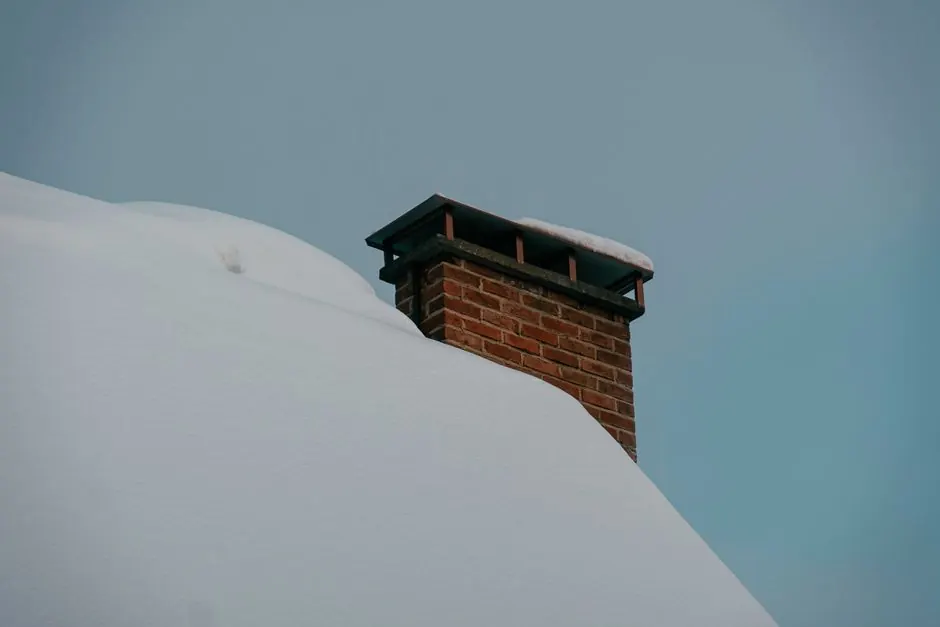
Prepare your Duluth home for ice dam season in October and early November by clearing gutters, checking attic air leaks and insulation, confirming ventilation paths, and making a safe plan for roof snow. Those steps reduce heat loss and help meltwater drain before it refreezes at the eaves. We'll walk you through what to inspect, what to fix before the first heavy snowfall, and how to spot trouble during a Lake Superior winter. Prepare your Duluth home for ice dam season is a fall roof-and-attic maintenance routine that limits uneven roof temperatures and blocked drainage, reducing the conditions that form ice dams.
How should you prepare a Duluth home before winter?
Duluth homeowners should start with a roof, gutter, and attic check in fall, ideally before regular freezing weather and heavy snow arrive. A simple inspection catches detached downspouts, blocked soffit vents, and visible air leaks while you can still work safely from the ground or arrange repairs.
Our Ice dam removal in Minnesota team sees the same pattern each winter: warm air leaks into a cold attic, roof sections warm unevenly, snow melts, and water freezes again at the colder eaves. Duluth's lake-effect snow and sharp temperature swings can add weight and repeated freeze-thaw cycles to that sequence.
Use this Duluth ice dam prevention checklist before winter:
- Look for missing, lifted, or cracked shingles from the ground using binoculars.
- Remove leaves and seed pods from gutters and verify downspout outlets are open.
- Check attic insulation, bathroom fan ducts, and soffit-to-ridge airflow.
- Photograph existing roof or ceiling stains so you can compare them after storms.
- Decide who will handle roof snow if accumulation becomes concerning.
Keep a note of recurring trouble spots, such as a north-facing valley or a roof section above a heated room. The details help you act sooner rather than waiting for a ceiling stain.
Inspect the roof, gutters, and drainage path
Duluth roof and gutter preparation starts with finding damage or obstructions that could hold melting water at the eaves. From the ground, check the roof edge for sagging gutters, loose brackets, missing shingles, and areas where old ice repeatedly forms.
Clear leaves and grit from gutters in fall, then test each downspout with a small amount of water on a mild day. Water should flow freely and discharge several feet from the foundation rather than pooling beside it. Keep the outlet clear of leaves and make sure an extension is not buried under a snow-storage area.
Gutters do not prevent ice dams on their own, but clogged channels can slow drainage and leave water and slush in the wrong place. If you want the whole drainage route checked, our Gutter and downspout clearing in Minnesota service addresses packed debris and restricted outlets before winter buildup makes access harder.
Use a ladder only on firm, level ground, and do not lean it against a gutter. Duluth's steep lots and icy walkways make a fall risk easy to underestimate. If the roof edge is not safely reachable, leave the clearing to a crew with proper equipment.
For a home in the Hillside or another exposed part of the city, wind-driven snow can collect unevenly around roof valleys and dormers. Our work with Ice dam removal in Duluth includes homes facing different roof exposures, so note where drifting or recurring icicles appear rather than treating every eave as identical.
Check attic insulation and ventilation
Duluth attic insulation and ventilation checks help keep the roof deck closer to outdoor temperature, which reduces snowmelt above heated rooms. Inspect the attic on a dry day with a flashlight, watching for damp insulation, darkened roof sheathing, frost, or daylight around plumbing and wiring penetrations.
Air leaks often matter as much as insulation depth. Seal gaps around attic hatches, recessed fixtures, chimney chases, bath fans, and plumbing stacks with materials appropriate to the location; do not cover heat-producing fixtures or block required clearances. Bathroom and kitchen exhaust must discharge outdoors, not into the attic.
Check that insulation does not cover soffit vents. Baffles keep a clear air channel from the eaves into the attic, while ridge or other high vents let warm, moist air escape. A vent blocked by insulation cannot move air just because a fan is installed elsewhere.
Many homes use roughly 10 to 14 inches of older fiberglass or cellulose, but material and existing performance matter more than a quick ruler measurement. For a target, ask an insulation professional to assess your attic against current Minnesota energy guidance and the home's construction. Do not compress insulation to fit storage boards; compressed material loses insulating value.
If you find wet insulation or signs of a prior leak, deal with the moisture source before adding more insulation. Our Attic ice dam damage inspection in Minnesota can help identify water staining, damaged sheathing, and evidence that a previous ice backup reached the attic.
Plan for roof snow and Lake Superior weather
Duluth roof snow planning should begin before the first deep storm, with a clear threshold for when you will reassess accumulation and who will remove it. Snow depth alone does not tell the whole story: wet, compacted snow weighs more than light powder, and a valley can hold much more than an open roof plane.
After a storm, check the roof from the ground and note uneven drifts, heavy buildup near valleys, and large icicles. Do not climb onto a snowy roof or chip ice with a shovel, axe, or hammer. Those methods can damage shingles and put you beneath falling ice.
A roof rake with a long handle can remove a shallow strip of snow from the eaves while you stand on the ground, but keep clear of overhead wires and falling snow. Avoid scraping down to the shingles; leave a thin layer to protect the roof surface. Do not use a roof rake from a ladder.
For broad or heavy accumulation, our Roof snow removal in Minnesota service can clear excess snow with methods suited to roof access and surface conditions. In Duluth, arrange an assessment promptly after repeated heavy snowfall, especially if you see new ceiling stains, bowed gutters, or a roof section carrying a deep drift.
Make a winter monitoring routine: inspect after major snow events, after a quick thaw followed by a hard freeze, and whenever icicles grow unusually large. A brief ground-level check takes minutes and can flag a changing situation before water reaches finished rooms.
Common mistakes that raise ice dam risk
Duluth homeowners often raise ice dam risk by focusing only on gutters while leaving attic heat leaks and blocked ventilation unaddressed. Clean gutters matter, but they do not correct a warm roof deck or stop snow from melting and refreezing at the eaves.
These mistakes are worth avoiding:
- Waiting until the first ice ridge appears to inspect the attic.
- Using salt, ice melt, or a hammer on shingles, gutters, or roof ice.
- Installing heat cables as a substitute for sealing air leaks and improving insulation.
- Blowing bath fan air into the attic, where moisture can condense on cold sheathing.
- Pulling snow from a ladder or standing directly below a loaded roof edge.
Heat cables can help manage a specific eave or valley problem when correctly designed, but they consume electricity and do not fix the source of roof warming. If the same section develops ice every winter, investigate air leakage and ventilation rather than simply adding more cable.
Do not ignore a small brown ceiling spot. It can grow after the next thaw, and water may travel along framing before appearing indoors. Photograph the mark, move valuables, and arrange an inspection if it returns or spreads.
When should Duluth homeowners call a professional?
Duluth homeowners should call a professional when water is entering the home, a thick ice ridge blocks drainage, or roof snow is too heavy or unsafe to remove from the ground. A ceiling stain that grows during a thaw, wet attic insulation, or water near an electrical fixture needs prompt attention.
We use low-pressure steam for ice removal when conditions call for it, rather than striking the roof with tools that can damage shingles. If water is actively coming in, move furniture and electronics, place a container under drips, and keep away from wet electrical fixtures while help is arranged.
Minnesota Ice Dam Pros can assess the roof edge, remove ice using an appropriate method, and help identify where water has backed up. We give upfront pricing before work begins, so you know the cost before the removal starts.
Call sooner if temperatures are rising after a snowfall and water is appearing indoors. Waiting for a larger leak can turn a manageable roof issue into wet insulation, damaged drywall, and flooring repairs.
Frequently Asked Questions
When should Duluth homeowners prepare for ice dam season?
Start in September or October, and finish gutter, roof, and attic checks before sustained freezing weather and regular snowfall. Fall work is safer and makes it easier to repair leaks or clear downspouts. Recheck from the ground after major storms and during midwinter thaws.
How can I reduce ice dam risk during a snowy winter?
Keep attic air leaks sealed, insulation evenly distributed, and soffit-to-high-vent airflow clear; then monitor snow after storms. A ground-level roof check after each major snowfall helps you spot drifting and growing icicles. Never climb onto an icy roof to remove snow.
Should gutters and downspouts be cleared before winter in Duluth?
Yes. Clear them in fall, before freezing conditions, and verify that downspouts discharge water away from the foundation. A clear gutter will not prevent every ice dam, but removing leaves and seed pods avoids needless restrictions and makes meltwater drainage more reliable.
When should I arrange professional ice dam removal in Minnesota?
Arrange help as soon as water enters the home, an ice ridge blocks drainage, or ice becomes too thick to remove safely from the ground. If you see a new ceiling stain or wet attic insulation, do not wait for the next storm; prompt removal limits ongoing backup.
Does removing snow from my roof prevent every ice dam?
No. Snow removal reduces the amount of material available to melt, but it does not correct warm attic air, poor insulation, or blocked ventilation. Combine a safe snow plan with fall roof and attic checks to address both the snow load and the conditions that cause meltwater.
Get help with ice dam removal in Duluth
Prepare your Duluth home before the next heavy snowfall, and call Minnesota Ice Dam Pros if ice or water has already reached the roof edge or interior. Call +1 (612) 555-0100 for help with ice dam removal.