Residential ice dam removal for Plymouth homes
Plymouth detached homes commonly have varied roof complexity and attic layouts, making a leak investigation more than a look at the ceiling stain. A two-story house with dormers, a garage addition, or shaded eaves can develop different ice patterns across separate slopes. We handle the roof-side removal and check for attic moisture when water has entered. If your home is in Plymouth Creek, Fernbrook, or the 55446 area, tell us which room is affected and whether the leak is active. That gives our crew a useful starting point for access and equipment planning. Our Minnesota ice dam removal company serving Plymouth also helps homeowners connect winter symptoms with practical roof snow, gutter, and interior drying work.
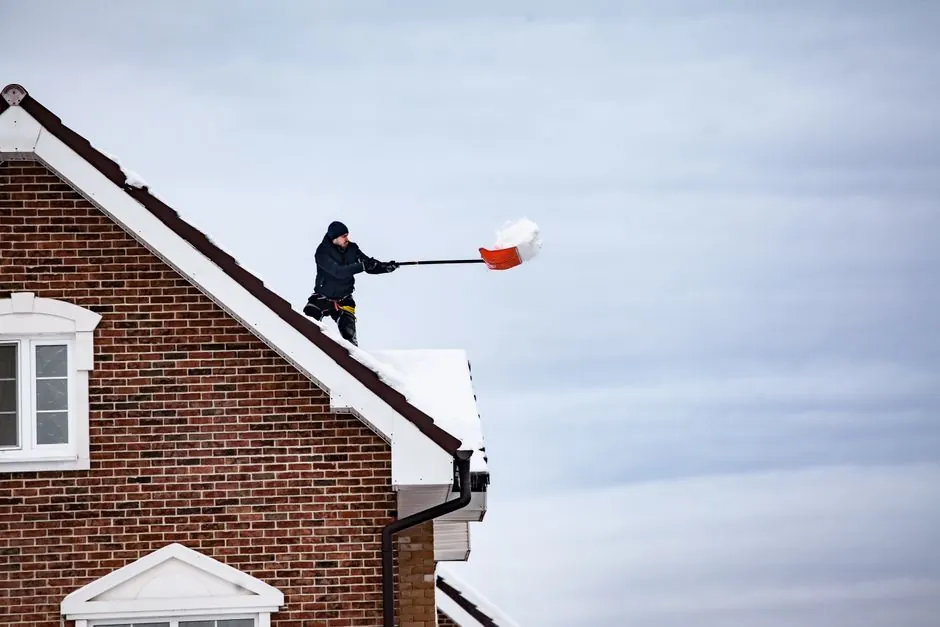
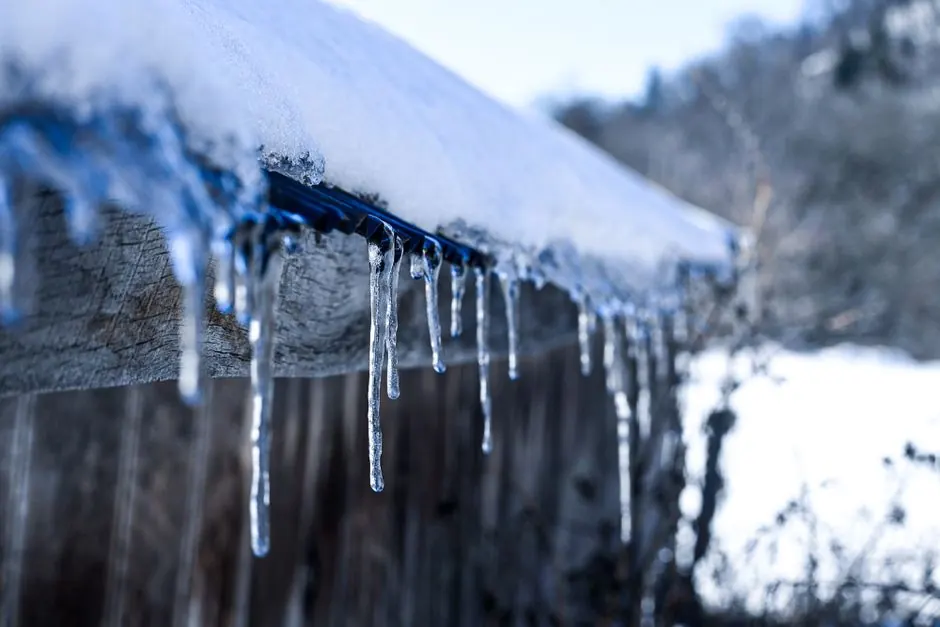
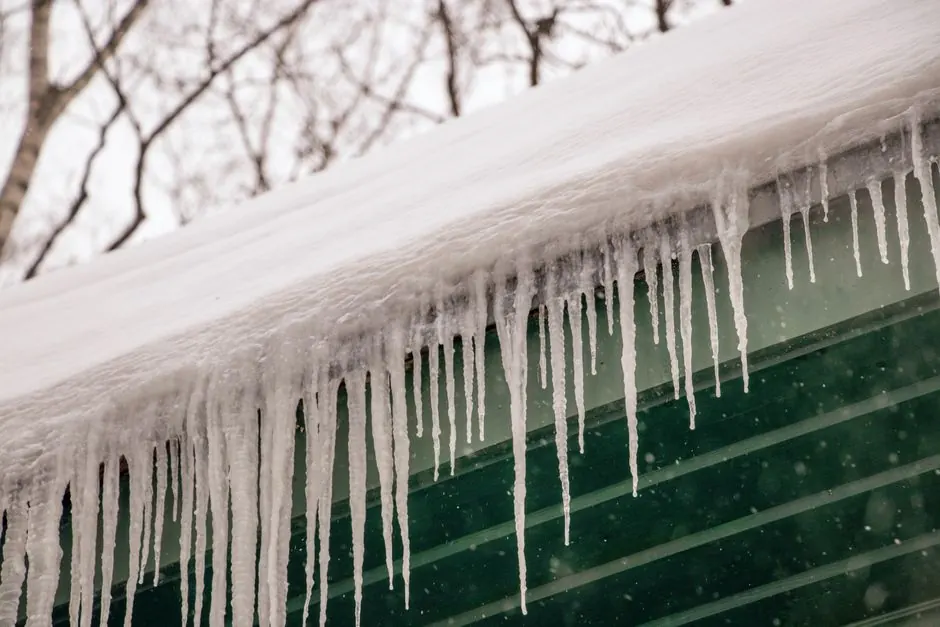
- Targeted roof-edge ice removal — We identify the eave section holding water and remove the dam with a method suited to the roof. For Plymouth homes with intersecting roof planes, we work on the affected drainage area rather than assuming every edge needs treatment. The goal is a safer runoff path without striking shingles or forcing ice loose.
- Emergency leak response — If water is dripping into a bedroom or hallway, we prioritize the active leak and roof access. Our Plymouth crew checks the exterior ice blockage and the interior symptom, then explains whether attic inspection or drying is needed. Move furniture and electronics away from the wet area while you call.
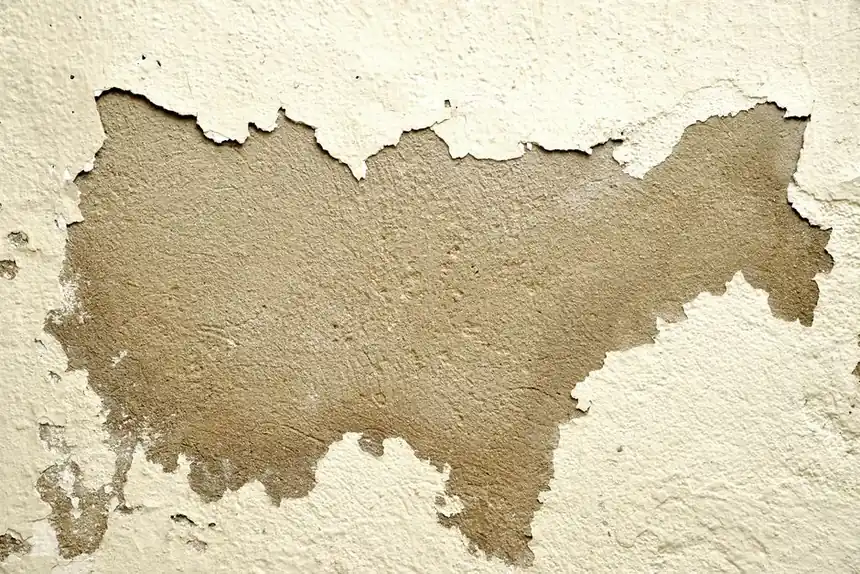
- Attic moisture inspection — A roof leak can wet insulation and framing before the ceiling shows a large stain. We inspect accessible attic areas in your Plymouth home and check materials near the suspected leak path. The findings help you decide whether drying or interior repair should follow roof removal.
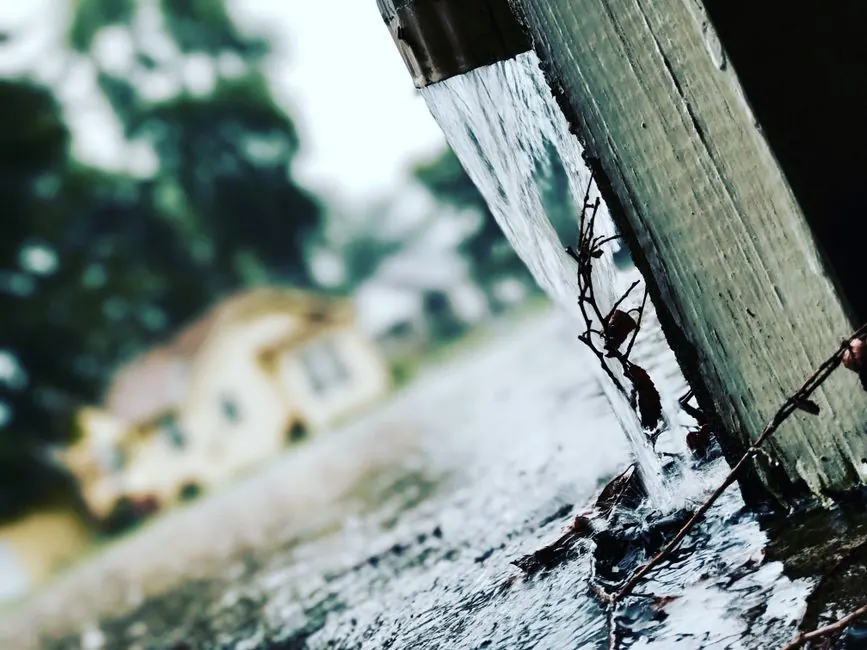
- Gutter and downspout clearing — Frozen outlets can keep meltwater trapped at the roof edge even after snow begins to melt. We clear accessible blockage and check whether water can drain away from your Plymouth home. If the downspout remains frozen farther down, we explain the next safe step rather than forcing the pipe.