
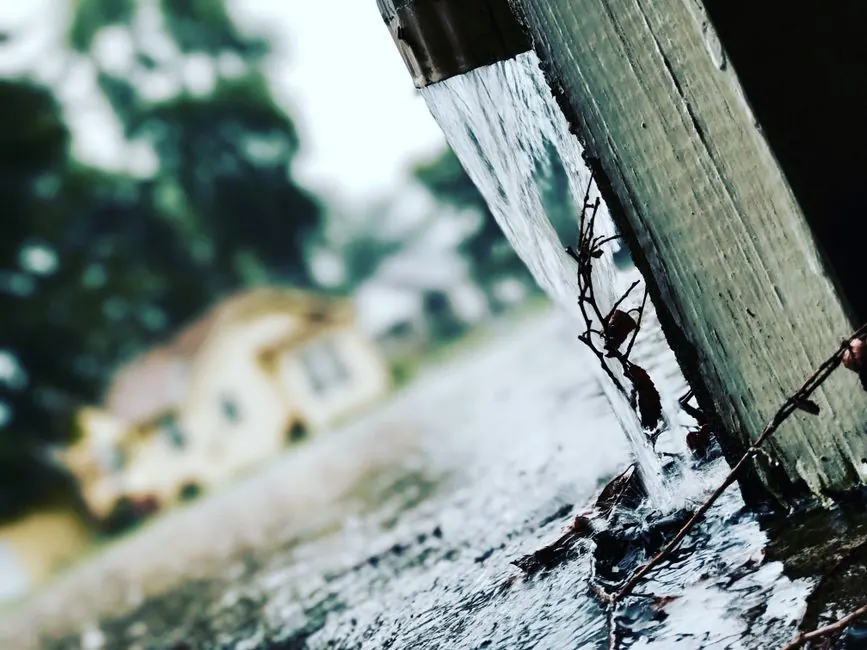
Gutter Debris Removal
We remove leaves, twigs, roof grit, and compacted sediment from accessible gutter runs. Debris is collected and kept out of downspout openings so the channel has a clear route toward the outlet.
Our standard visit focuses on removing debris and restoring flow through accessible gutters and downspouts. We check visible joints and drainage behavior, then explain any separate repair or ice-related work needed. Replacement parts, underground drain repair, and specialized frozen-gutter treatment are handled as additional work when the condition calls for it.
We remove leaves, twigs, roof grit, and compacted sediment from accessible gutter runs. Debris is collected and kept out of downspout openings so the channel has a clear route toward the outlet.
We clear accessible inlets, elbows, and outlets where debris is causing restricted flow. If a pipe continues below grade or is frozen beyond safe access, we identify the restriction rather than forcing the blockage.
During clearing, we look for sagging gutter sections, loose hangers, separated seams, and obvious leaks. You receive a straightforward explanation of visible concerns; repairing or replacing gutter components is separate from routine clearing.
Where temperatures and site conditions allow, we verify that water moves through accessible sections and exits at the discharge point. In freezing conditions, we avoid adding water that could refreeze and use a safe visual check instead.
We note visible damage or water concerns near roof flashing, fascia, and roof shingles while working from safe access points. The visit is not a full roof inspection, but a visible warning can help you arrange the right follow-up.
Gutter and downspout clearing in Minnesota is a residential drainage maintenance service that removes debris and blockages so roof runoff can flow safely away from the eaves and foundation. We clear leaves, seed pods, roof grit, and compacted sediment from gutters, then open accessible downspout elbows and outlets. We also check for standing water, loose hangers, separated joints, and visible damage to roof flashing or roof shingles near the work area. A clear channel matters most before freeze-up, when trapped water can become gutter ice blockage and frozen downspouts.
Minnesota homes face different drainage pressures: fall leaves in wooded neighborhoods, spring melt after snow cover, and sudden summer storms that push debris toward downspout openings. In October, clearing gutters before temperatures stay below freezing gives water fewer places to pool and harden. Our professional gutter and downspout cleaning Minnesota work is planned around roof height, access, and surface conditions. If you want to clear clogged downspouts before winter in Minnesota, we remove the obstruction and verify flow rather than simply pulling debris from the visible gutter.
Gutter and downspout clearing in Minnesota follows a simple sequence: assess access, remove the blockage, and test the drainage path. We explain what we find as we work, keep debris controlled, and flag visible damage that needs a separate repair.
Schedule
Call or book online — a real human picks up and confirms a 2-hour arrival window.
Diagnose
Licensed tech inspects on-site, then walks you through the cause and your options.
Fix
The job is completed to code and done right the first time — no shortcuts, no surprises.
Guarantee
Every job backed by a written workmanship warranty — and we stand behind it.
Werner extension ladder
We use a properly positioned extension ladder for accessible gutter work, checking footing and contact points before climbing. Ladder setup follows OSHA ladder safety requirements and the conditions around your home.
Little Giant Ladder Systems
A configurable ladder can help reach selected roofline sections where ground conditions and building layout allow. We select equipment for the access problem rather than forcing a single setup across every property.
Low-pressure steam generator
For appropriate frozen-gutter or ice conditions, controlled steam loosens ice in manageable areas. The method avoids aggressive impact on roof shingles and gutters and is used only after assessing access and material condition.
Moisture meter
When water damage is suspected, a moisture meter helps assess accessible building materials during related inspection or restoration work. It supports follow-up decisions about wet drywall or insulation rather than serving as a substitute for clearing.
FLIR infrared camera
An infrared camera can help locate temperature patterns associated with moisture during a separate assessment. We use findings alongside visual inspection and moisture readings when a roof leak may have affected concealed areas.
Section-by-section debris removal
We work through gutter runs in manageable sections, removing leaves and sediment without pushing material into the downspout. The method keeps the outlet visible as we progress and makes it easier to identify a localized obstruction or standing-water area.
Downspout flow verification
After opening the inlet and accessible pipe sections, we check that water or visible runoff reaches the outlet when weather allows. During freezing conditions, we avoid adding water that could harden inside the pipe and use a condition-appropriate visual assessment.
Fall protection and ladder control
We assess surface stability, ladder angle, roof height, and fall exposure before elevated work. OSHA fall protection requirements and OSHA ladder safety requirements inform safe work decisions; icy roof surfaces are not treated as routine access.
Controlled ice release
Where frozen buildup requires specialized work, we use controlled heat and short work sections rather than striking ice with force. We protect roof shingles and gutter components by matching the method to the material and stopping if access or conditions make the work unsafe.
01
What we do: We remove leaves and sediment before trapped water has a chance to freeze into a solid channel blockage. Our crew checks downspout openings and accessible outlets, then confirms flow when weather permits. This timing is especially useful for homes beneath mature trees or with long gutter runs.
→ Your roof runoff has a clearer path heading into winter, and you know whether a downspout remains restricted before the next thaw.
02
What we do: We check for debris buildup at the overflow point, clear the channel, and inspect the nearby downspout inlet and visible seams. If the gutter is pitched incorrectly or a joint is separated, we identify it as a repair issue instead of blaming debris alone.
→ You get a clear finding about whether the overflow came from a clog, a visible defect, or both, with the drainage path checked before we leave.
03
What we do: We assess the downspout for a debris obstruction or frozen section and select a method suited to the condition. If ice is present, we avoid forceful impact and explain whether controlled steam treatment is appropriate. We also watch for roof-edge ice or signs of an active leak.
→ You learn whether the outlet is open, frozen, or blocked farther down, and what work is needed to restore drainage safely.
04
What we do: We address the accessible gutter and downspout blockage, then help identify whether an attic inspection or water-damage assessment is warranted. A moisture meter or infrared camera can support follow-up evaluation of hidden moisture, but the clearing visit itself does not replace a restoration inspection.
→ You have the drainage issue addressed and a practical route to investigate wet insulation, ceiling water stains, or hidden structural moisture.
Minnesota gutter systems face a long seasonal cycle: autumn leaf loads, snow cover, thaw-and-freeze swings, and spring runoff. In October, our first priority is clearing debris before steady freezing temperatures make trapped water harder to remove. The same job looks different across the state. Metro homes often have mature trees, additions, and multiple roof valleys; northern properties can have longer periods of frozen downspouts, while open rural sites may collect windblown debris. Our Minnesota gutter and downspout clearing service starts with roof height, access, gutter material, and the location of the outlet. We account for roof shingles or metal roofing and avoid putting unnecessary force on the edge system. If you need a Minnesota service to unclog frozen gutters and downspouts, we assess whether ice, debris, or a below-grade restriction is stopping flow. State and local requirements can vary for work access and disposal, so we follow applicable safety practices and site rules rather than assuming every property is the same. We also watch for roof flashing concerns and signs that water has already reached attic insulation or drywall.
Bloomington residential blocks
Mature trees can load gutters with leaves and seed debris. We pay close attention to downspout inlets around garages and additions, where a short hidden elbow can hold a compacted blockage.
Eden Prairie lake-area homes
Varied rooflines and wooded lots can create long gutter runs with several outlets. We trace the drainage path across each accessible section rather than clearing only the most visible overflow point.
Brainerd-area properties
Longer cold periods make frozen downspouts a practical concern after fall debris is left in place. We check outlets and avoid water testing when freezing conditions would create another obstruction.
Virginia homes
Northland freeze-up can arrive before a late-season cleanup is completed. We assess ice, ladder footing, and roof access carefully, then select debris or ice methods to suit the actual blockage.
Leaf fall followed by a rapid overnight freeze
Water trapped beneath leaves can harden inside gutters and downspouts. A fall clearing visit removes debris before cold weather makes ordinary drainage work more difficult and increases the chance of a persistent ice blockage.
Snowmelt followed by another hard freeze
A thaw can send water toward an outlet that remains partly blocked. If temperatures drop again, residual water may refreeze, so we confirm the obstruction type and avoid adding test water when it could create fresh ice.
Older roof edges with loose hangers or separated seams
Cleaning may reveal that overflow is caused by a damaged or poorly supported section, not just debris. We report the visible condition so you can distinguish routine clearing from gutter repair before water continues to spill.
Blocked gutters often announce themselves through overflowing corners, streaked siding, or water pooling near the foundation. We trace the blockage from the gutter channel into accessible downspout sections, then clear and check the route. Addressing the restriction before freeze-up helps limit conditions that feed roof ice buildup.
Problem
Water spills over the gutter edge instead of reaching the outlet, soaking fascia and siding or pooling beside the foundation during repeated rain.
Our Fix
We remove packed leaves and sediment from the gutter, open the downspout inlet, and check the outlet where accessible. If water still stands after debris removal, we identify a possible pitch or pipe restriction so you are not left assuming the whole system drains.
Problem
Trapped water can refreeze into a heavier blockage, restricting later runoff and adding to gutter ice blockage as temperatures rise and fall.
Our Fix
We first determine whether the obstruction is frozen or debris-filled and assess roof and ladder access. For suitable ice conditions, controlled steam methods can open a path without aggressive chopping. We do not force water into a frozen pipe where it could refreeze.
Problem
Repeated overflow can leave dark marks, wet trim, and water near the foundation; a leak behind the roof edge may also lead to attic moisture intrusion.
Our Fix
We clear the channel and nearby outlet, then inspect the visible seam and hanger condition. If the overflow came from a damaged joint rather than a clog, we explain the distinction and direct you toward repair instead of treating cleaning as a permanent fix.
Problem
Runoff that stops near the wall can saturate soil and contribute to recurring puddles, especially after snowmelt or a long period of rain.
Our Fix
We clear the accessible downspout and observe where water exits. If the discharge connects to a buried drain that remains blocked, we report that limit clearly. You get a confirmed above-ground flow check and a practical next step for any below-grade restriction.
Blocked drainage creates problems at the roof edge and below grade. We clear the route from gutter to outlet, then check how water behaves at the discharge point. That practical check helps you catch a slow drain before a hard freeze or a heavy rain exposes it.
Reduce Ice Blockage
Water left in a clogged trough can freeze into a solid obstruction as temperatures drop. We remove debris and check downspout flow before freeze-up, reducing one source of gutter ice blockage. Clearing drainage does not remove every ice-dam risk, but it prevents a debris-packed channel from adding avoidable water backup at the eaves.
Protect Foundation Drainage
A clogged outlet can spill roof runoff beside the foundation instead of carrying it away. We clear accessible downspout openings and confirm discharge direction, helping reduce splashback, soil erosion, and repeat pooling near the house after a storm.
Spot Early Wear
While clearing, we look for separated seams, sagging sections, loose brackets, and visible roof-edge concerns. You get a clearer picture of what needs repair before a minor drainage issue contributes to wet fascia or hidden structural moisture.
Prepare for Seasonal Runoff
A professional gutter and downspout clearing in Minnesota visit before winter removes leaves and sediment that can hold meltwater. We finish by checking accessible outlets, so you know whether water has a path through the system before the next thaw.
Customer feedback Not stated
The crew cleared our gutters and found the blockage at the downspout elbow, not in the main channel. They checked that water reached the outlet and showed me a loose section that needs repair. The explanation was direct, and the cleanup around the entry was thorough.
Customer feedback Not stated
We wanted the gutters cleared before winter. The team removed leaves from the rear roofline, opened both downspouts, and explained why they did not add water during freezing conditions. I appreciated the practical check rather than a rushed promise that everything was fine.
Customer feedback Not stated
Water had been spilling at the corner above our patio. After clearing the gutter and outlet, the crew confirmed the discharge and pointed out a seam that still needs attention. They separated the cleaning issue from the repair issue so we knew what had actually been fixed.
Minnesota Ice Dam Pros works on drainage problems tied to roof runoff, snowmelt, and winter ice. Our local experience includes homes with varied roof pitches, mature tree cover, attached garages, and long downspout runs that are easy to overlook. We use safe access practices and distinguish routine debris clearing from ice removal or water-damage work. When a blockage has already led to a ceiling stain or wet attic insulation, we can identify the concern and connect the drainage issue with the right next service rather than treating the gutter as the whole problem.
Our Minnesota coverage includes metro communities, central lake areas, and northern towns with longer freeze-up periods. We schedule around travel distance, roof access, and weather so the method fits the property. From Bloomington and Richfield to Willmar and Brainerd, our Minnesota gutter and downspout clearing service handles leaf-packed channels, restricted outlets, and seasonal drainage checks. Tell us your city, roof height, and whether the problem is debris, overflow, or ice.
In Bloomington, mature-tree debris can fill gutter channels quickly. We clear the runs, open downspout inlets, and check discharge near garages, additions, and landscaped foundations.
Eden Prairie homes often have wooded lots and varied rooflines. We trace each accessible gutter run and check outlets so a hidden elbow does not remain blocked after visible debris is removed.
For Richfield properties, we focus on compact residential rooflines, leaf buildup, and overflow beside walkways or foundations. We verify accessible downspout flow before wrapping up.
Prior Lake homes with multiple roof sections need careful outlet checks. We remove debris from each accessible run and watch for standing water or a separated joint near the eaves.
In Farmington, seasonal leaf fall and open exposure can both load gutters. We clear debris before freeze-up and confirm that accessible downspouts have a working discharge path.
Willmar service accounts for windblown debris and changing fall conditions. We assess roof access, clear the gutter channels, and identify any outlet restriction that remains after cleaning.
Anoka homes with mature landscaping can collect leaves around downspout inlets. We clear the channel and check the outlet so runoff is not left spilling beside the house.
Brainerd's colder winter conditions make pre-freeze drainage checks useful. We remove fall debris and avoid water testing when temperatures could cause refreezing.
Lake Elmo properties may have long rooflines and landscaped discharge areas. We inspect accessible gutter runs and make sure cleared outlets direct runoff away from the home's immediate edge.
In Victoria, we check gutter runs around attached garages and roof additions where debris can collect at transitions. The final review identifies visible hangers or seams needing repair.
Oak Grove homes surrounded by trees can need seasonal debris removal before cold weather. We clear the gutter and accessible downspout sections, then report any persistent restriction.
Virginia's longer cold season makes safe assessment important when ice is present. We distinguish frozen sections from debris clogs and choose a method suited to the roof and access.
For Isanti properties, we plan around open-site exposure, roof height, and seasonal freeze-up. Clearing includes accessible outlets and a practical check for standing water.
In Zimmerman, fall leaves and winter freeze conditions can combine in long gutter runs. We clear debris section by section and check whether each accessible downspout can carry runoff.
North Oaks homes often have tree cover and complex roof edges. We take care around landscaping, clear the full accessible channel, and look for blocked outlets beneath dense debris.
Real answers to the questions we hear most often from local homeowners and property managers.
When roof ice has formed a ridge and water is backing beneath shingles, gutter clearing alone will not remove the ice. Our ice-dam service addresses the roof-edge buildup, then we check whether blocked gutters or downspouts are contributing to poor drainage.
View Ice Dam RemovalActive leaking, ceiling drips, or rapidly growing roof ice calls for urgent attention. We assess the immediate roof-edge hazard and work to relieve the ice condition safely. Clearing related gutter blockages helps restore a route for meltwater after the urgent obstruction is addressed.
View Emergency Ice Dam RemovalControlled steam can loosen roof ice without the impact of chopping tools. We use a low-pressure steam generator when conditions and roof materials support that method. After ice is relieved, clearing the gutter and downspout route helps prevent leftover debris from obstructing runoff.
View Steam Ice Dam RemovalHeavy roof snow can feed meltwater and worsen roof-edge ice when temperatures fluctuate. We remove snow in a controlled manner suited to the roof, then identify drainage areas that need clearing. This pairs practical snow management with a clear path for runoff.
View Roof Snow RemovalA gutter packed with ice needs a different approach from one filled with leaves. We assess the blockage and use a controlled method to open drainage without striking the gutter or roof shingles. Once the ice is relieved, we check downspout flow where safely accessible.
View Gutter Ice RemovalIf backed-up meltwater has entered beneath roof shingles, clearing the gutter does not repair the leak. We address the roof leak and identify visible damage around roof flashing and underlayment. Clearing the drainage system helps reduce repeat water backup at the eaves.
View Ice Dam Roof Leak RepairCall +1 612-555-0100 for ice dam removal or frozen pipe help across Minnesota. We take urgent calls around the clock and respond with practical questions about the leak, roof access, or water service so we can direct the right crew. Share your community and what you see; we will explain the next step and pricing before work starts.
Phone
+16125550100Address
Minnesota
Hours
Mon–Fri: 7AM – 7PM
Sat: 8AM – 4PM
Sun: Emergency Only
24/7 Emergency Available