
Logo
Get Estimate

Ice dam removal in Cold Spring for safer roofs

Ice dam removal in Cold Spring helps stop roof ice from forcing meltwater beneath shingles and into ceilings. We work across Cold Spring, Minnesota, where snow, freezing nights, and sunny daytime thaws can load eaves with ice. Our team inspects the roof, chooses a careful removal method, and checks for active leaks so you know what needs attention before water reaches more of your home.

Call for Help Request Service
Emergency service Local coverage Direct phone
Licensed Licensed & Bonded
Fully Insured Insured & Bonded
24/7 Emergency Same-Day Response
Warranty Backed Workmanship Guaranteed in Cold Spring
Cold Spring

Ice dam removal in Cold Spring, done carefully


Ice dam removal in Cold Spring is a roof service that clears ice barriers at the eaves when trapped meltwater threatens shingles, ceilings, or attic spaces. Cold Spring homes include established houses and newer construction, with roof designs and attic ventilation that vary from block to block. Our team checks the ice pattern, roof access, and visible signs of water entry before selecting a removal approach. We use controlled steam rather than striking or prying at roof shingles, and we look for gutter ice blockage that could keep water from draining.

For a roof leak, we can pair steam ice dam removal with an attic inspection and water-damage response. We check roof flashing, attic insulation, and interior areas around ceiling stains, then explain the immediate repair priorities. If you are near downtown Cold Spring, the Sauk River, or the Lake Wobegon Trail corridor, tell us the nearest cross street and the roof side showing ice; that helps us plan access and equipment placement. We focus on stopping active intrusion and protecting the roof surface, not simply knocking ice loose.

  • Locally licensed and insured in Cold Spring
  • Same-day diagnostics and written estimates
  • Real workmanship warranty in writing
  • Background-checked, in-house technicians

Cold Spring ice dam services and repairs

Cold Spring service calls often begin after a freeze-thaw stretch: roof ice thickens, gutters stop draining, and a ceiling stain appears during a thaw. If you are wondering how to remove an ice dam without damaging shingles, the short answer is to avoid chopping at it and have the roof assessed before removal. We match the service to the problem, from steam work at the eaves to roof snow removal or interior moisture control. Tell us whether water is actively dripping, which rooms are affected, and whether the building is one or two stories.

Ice Dam Removal

Ice Dam Removal

We inspect the ice line and roof access before clearing a dam from a Cold Spring roof. Controlled removal protects roof shingles and helps open a path for meltwater to drain. On homes near downtown or along residential streets outside the center, we also look for gutter blockage and visible leak points before wrapping up.

View Details
Emergency Ice Dam Removal

Emergency Ice Dam Removal

When water is dripping through a Cold Spring ceiling or running down an interior wall, call for emergency ice dam removal. We prioritize the active leak, identify the roof edge involved, and work to reduce further entry. Keep people clear of wet fixtures and bulging drywall while we assess safe roof access and removal options.

View Details
Steam Ice Dam Removal

Steam Ice Dam Removal

Steam ice dam removal uses directed heat to cut drainage channels through roof ice without chiseling at the roofing. In Cold Spring, we adjust the work to the roof pitch, ice thickness, and shingle condition. A low-pressure steam generator and commercial steam hose and nozzle let our technicians remove ice in controlled sections.

View Details
Roof Snow Removal

Roof Snow Removal

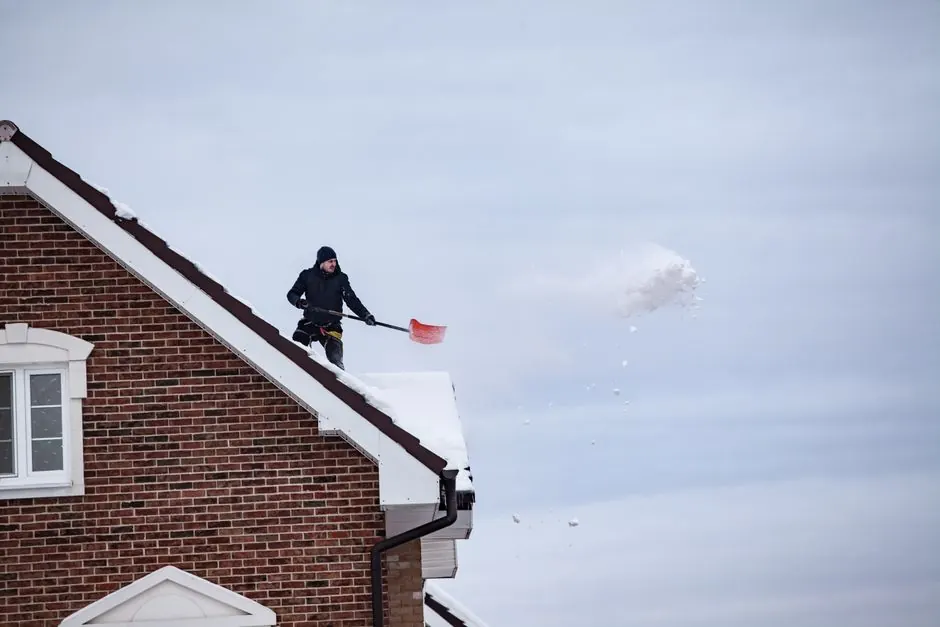
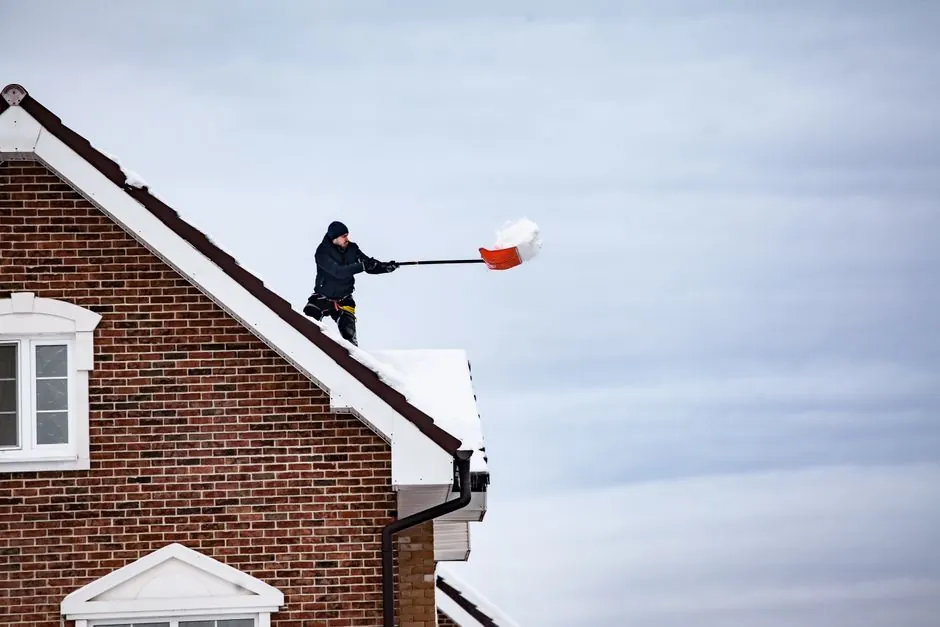
Heavy, uneven snow can add load and keep meltwater feeding an ice ridge. Our Cold Spring roof snow removal work focuses on accessible areas and careful removal that avoids scraping or striking the roof surface. We assess the roof edge, entry points, and safe ground access before choosing where to clear snow.

View Details
Gutter Ice Removal

Gutter Ice Removal

Ice packed into gutters can hold water against the eaves and contribute to leaks during a thaw. We assess gutter condition and clear obstructive ice with care rather than forcing frozen sections apart. For Cold Spring properties, the work includes checking whether meltwater can move toward the downspouts after the blockage is addressed.

View Details
Gutter and Downspout Clearing

Gutter and Downspout Clearing

We clear ice and debris that prevent roof runoff from leaving the building. Cold Spring homes with frozen downspouts need a clear drainage path before temperatures rise and meltwater reaches the foundation or exterior walls. Our team checks the gutter outlet and accessible downspout sections, then explains any damage that needs separate repair.

View Details
Ice Dam Roof Leak Repair

Ice Dam Roof Leak Repair

Ice dam roof leak repair starts with locating the water entry point and protecting the interior below it. We inspect visible roof flashing, shingles, and the affected ceiling area at your Cold Spring property. Once the immediate ice issue is controlled, we identify repair needs and help prevent an overlooked leak from continuing through the next thaw.

View Details
Ice Dam Water Damage Restoration

Ice Dam Water Damage Restoration

If meltwater has entered an attic or finished room, we assess moisture in affected materials and plan the drying work. In Cold Spring, a roof leak can leave wet insulation or water-damaged drywall even after dripping stops. We use moisture checks to guide air movement and dehumidification, then track whether the affected area is drying.

View Details
Ceiling and Wall Water Damage Repair

Ceiling and Wall Water Damage Repair

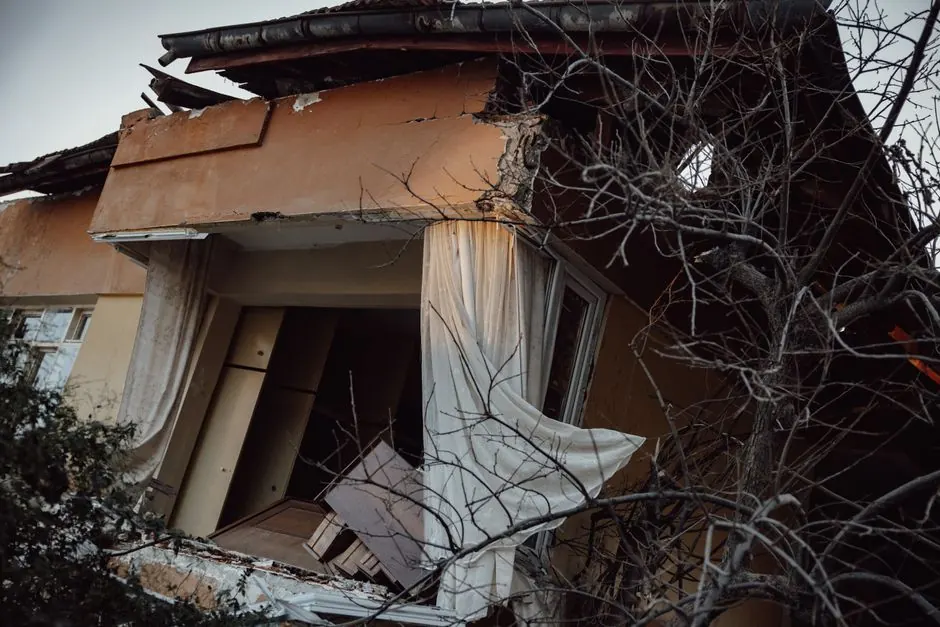
Brown ceiling marks, soft drywall, and bubbling paint need attention after an ice dam leak. We inspect the affected Cold Spring room, determine whether moisture remains, and address drying before finish repairs. If a ceiling is sagging or holding water, keep clear and call promptly so the immediate hazard can be assessed.

View Details
Attic Ice Dam Damage Inspection

Attic Ice Dam Damage Inspection

An attic inspection helps find water that has traveled beyond the visible ceiling stain. We check Cold Spring attic areas for wet insulation, moisture around roof framing, and signs of repeated intrusion. The findings help you understand whether the issue is limited to one roof edge or has affected a larger section of the building envelope.

View Details
Ice Dam Removal in Cold Spring
Service · #1

Ice Dam Removal in Cold Spring


Ice Dam removal in Cold Spring helps protect homes when melting roof snow refreezes along the eaves. Minnesota Ice Dam Pros serves properties near downtown, along Red River Avenue, and in newer neighborhoods where changing rooflines can complicate drainage. Cold Spring's long freeze-thaw season can leave heavy ice above gutters and entryways. Our crew assesses the buildup, chooses a roof-safe removal method, and clears affected areas with care.

Assessing Roof Ice Conditions

We inspect eaves, valleys, and roof transitions before disturbing packed ice. On Cold Spring homes with older shingles or additions, buildup can conceal vulnerable flashing and drainage paths. This ice dam removal service begins with identifying where water may be backing up, then setting a controlled work area to protect landscaping, walkways, and the home's exterior.

Controlled Ice Removal Methods

Technicians remove ice in manageable sections rather than striking or prying at roofing materials. That approach is useful on the varied housing stock around downtown Cold Spring, where steep gables and narrow side yards may limit access. We select equipment suited to the roof and conditions, aiming to open drainage channels without adding avoidable stress to shingles or gutters.

Protecting Eaves And Entries

After clearing the immediate obstruction, we check the roof edge and nearby ground for remaining hazards. Ice hanging above a porch or driveway can threaten residents and visitors, especially after another temperature swing. Our Cold Spring team explains what was removed, notes visible roof concerns, and recommends practical next steps if recurring ice points to ventilation or insulation issues.

  • Roof-edge assessment identifying ice buildup and vulnerable drainage points
  • Controlled removal of obstructive ice from accessible eaves
  • Ground-level hazard check around entryways and walkways
  • Summary of visible roof concerns and recommended follow-up

Emergency Ice Dam Removal in Cold Spring


Emergency ice dam removal in Cold Spring is available when trapped meltwater threatens ceilings, walls, or occupied rooms. During sharp winter thaws, homes near the Sauk River and established blocks around downtown can develop active leaks beneath heavy eave ice. Minnesota Ice Dam Pros prioritizes urgent calls, evaluates the safest access, and works to reduce the immediate obstruction while keeping residents informed about conditions and next steps.

  1. 01

    Rapid Leak And Roof Triage

    When water is entering a home, we first establish where it appears and whether the roof edge can be approached safely. In Cold Spring's freezing conditions, slick surfaces and drifting snow can change access quickly. Our emergency response focuses on locating the likely ice blockage, checking affected eaves, and determining what can be addressed immediately without putting people or roofing at unnecessary risk.

  2. 02

    Urgent Ice Channel Clearing

    A narrow drainage opening may help relieve backed-up water while a larger ice formation remains in place. We use controlled removal techniques suited to the roof, avoiding forceful chipping that could damage shingles. For an ice dam emergency in Cold Spring, crews also consider nearby power lines, porches, and shared driveways before setting up equipment and directing falling ice.

  3. 03

    Clear Updates For Residents

    Urgent work is easier to manage when homeowners know what is happening. We explain the immediate findings, outline the work area, and flag any interior water concerns that need separate attention. Whether the property is a compact downtown house or a newer Cold Spring build, our team provides a concise service update and practical guidance for monitoring the roof after temperatures shift.

  • Priority assessment of active leaks and reachable roof-edge ice
  • Immediate work-area setup with resident and property safety checks
  • Controlled drainage-channel opening where roof conditions permit
  • On-site update describing findings, actions, and urgent follow-up
Emergency Ice Dam Removal in Cold Spring

02 / 10

Service

5+ YEARS · COLD SPRING

Steam Ice Dam Removal in Cold Spring

Steam ice dam removal in Cold Spring uses carefully directed heat to loosen frozen buildup without chopping at roofing materials. The method can suit homes near Cold Spring Area Schools and older properties with layered roof details, where preserving shingles matters. Minnesota Ice Dam Pros evaluates ice thickness, roof access, and weather before beginning, then works in measured passes to open blocked drainage along the eaves.

Low Impact Steam Process

Hot water vapor softens ice so technicians can separate it in controlled sections. Unlike impact-based removal, this process avoids repeated blows against shingles and metal edges. On Cold Spring roofs exposed to frequent freeze-thaw cycles, our crew adjusts the pace to the ice formation and roof surface, keeping the work focused on clearing drainage rather than stripping every trace of winter buildup.

Matching Equipment To Roofs

Not every roof presents the same access or structural details. We assess pitch, height, eaves, and nearby obstacles before positioning steam equipment at a Cold Spring property. This careful setup helps protect landscaping and siding while allowing the operator to reach problem areas. Where roofs have dormers or intersecting valleys, the work plan accounts for those transitions and possible hidden ice.

Drainage And Finish Checks

Once the blockage is softened and removed, technicians verify that water has a path away from the affected edge. We inspect the cleared section for leftover ridges and note any visible shingle or flashing concerns. In neighborhoods across Cold Spring, a final check is especially useful when snow remains on upper roof planes and additional meltwater could feed the same eave.

  • Roof and access evaluation before steam equipment setup
  • Measured steam application to loosen ice along affected eaves
  • Removal of softened ice obstructing roof-edge drainage
  • Post-service check for remaining ridges and visible roof concerns
Roof Snow Removal in Cold Spring

Roof Snow Removal in Cold Spring


Roof snow removal in Cold Spring can reduce excess snow load before melting and refreezing create drainage trouble. Snow accumulation is common through central Minnesota winters, particularly on broad roof sections and shaded north-facing slopes. Minnesota Ice Dam Pros serves homes around Main Street and residential streets beyond downtown, assessing snow depth and roof access before clearing selected areas with methods designed to avoid unnecessary damage.

Assessment of snow depth, drift patterns, and roof priority zones

Promise

“Our crew checks where snow has drifted, how evenly it sits, and whether roof features are collecting extra weight. A roof snow removal service in Cold Spring may be especially useful for homes with wide eaves, additio…”

— Cold Spring customer
Evaluating Snow Load Areas +

Our crew checks where snow has drifted, how evenly it sits, and whether roof features are collecting extra weight. A roof snow removal service in Cold Spring may be especially useful for homes with wide eaves, additions, or sheltered sides where wind deposits deeper banks. We identify priority zones first and plan a balanced approach instead of clearing one area unevenly.

Careful Roofline Clearing +

Snow is removed in controlled layers using equipment appropriate to the roof and the conditions underfoot. We avoid scraping directly against shingles and leave a protective layer where needed. On properties near downtown Cold Spring, narrow lots and close neighboring homes also influence where snow can be safely directed, so the team plans ground clearance before work begins.

Reducing Future Ice Risks +

Clearing excess snow can limit the amount available to melt over warm roof sections and refreeze at cold eaves. It does not correct every cause of ice buildup, so we note visible ventilation or drainage concerns during service. Cold Spring homeowners receive practical observations about roof areas to monitor as daytime temperatures rise and overnight freezes return.

  • Assessment of snow depth, drift patterns, and roof priority zones
  • Layered snow removal from selected accessible roof sections
  • Ground protection planning for landscaping and neighboring walkways
  • Notes on visible conditions that may encourage recurring eave ice
Gutter Ice Removal in Cold Spring
Service · #5

Gutter Ice Removal in Cold Spring


Gutter ice removal in Cold Spring restores space for meltwater when frozen channels are packed along the roof edge. Ice-filled gutters can pull at hangers, conceal downspout blockages, and send water over siding during a thaw. Minnesota Ice Dam Pros works on homes throughout Cold Spring, from older downtown properties to newer subdivisions, using controlled methods selected for the gutter material and the surrounding roof conditions.

Checking Frozen Gutter Runs

Before removing ice, we look for sagging sections, loose brackets, and signs that water has backed up behind the gutter. On homes near the Sauk River, shaded elevations may stay frozen longer after a daytime thaw. This gutter ice clearing service focuses on identifying the affected run and choosing a workable approach that limits stress on older aluminum or vinyl components.

Clearing Ice Without Strain

Technicians work gradually to loosen obstructive ice rather than pulling on frozen gutter lengths or striking them with heavy tools. The method depends on access, temperature, and the condition of the roof edge. In Cold Spring's winter weather, careful handling helps reduce the chance of bending a gutter or disturbing fascia while restoring a route for water to move.

Inspecting Edges After Service

After clearing, we check whether the gutter is visibly open and whether meltwater has a clear exit toward the downspout. Any apparent separation, deformation, or remaining obstruction is documented for the homeowner. This is helpful on Cold Spring properties where repeated freeze-thaw cycles can hide damage until spring, when a full gutter inspection may be easier to arrange.

  • Visual inspection of frozen gutter runs and attachment points
  • Controlled loosening of obstructive ice from accessible sections
  • Check for visible sagging, separation, or remaining blockage
  • Service notes identifying gutter areas needing later repair

Gutter and Downspout Clearing in Cold Spring


Gutter and downspout clearing in Cold Spring helps move roof runoff away from foundations before seasonal freezing turns debris into a blockage. Leaves, grit, and compacted snow often collect in gutters beneath mature trees and on homes with complex rooflines. Minnesota Ice Dam Pros serves Cold Spring neighborhoods with a focused inspection and clearing process, checking accessible outlets and directing homeowners to any drainage concerns that need additional attention.

  1. 01

    Opening Gutter Drainage Paths

    We remove accessible debris and check the gutter channel for spots where water may pool. On older Cold Spring homes near downtown, uneven gutter pitch can slow runoff even after leaves are cleared. A gutter and downspout clearing service includes checking visible outlet openings so ordinary rain and melting snow can flow toward the downspout instead of overflowing at the eaves.

  2. 02

    Checking Downspout Outlets

    A clear gutter cannot drain properly if the downspout is blocked lower down. We inspect accessible elbows and outlets for packed debris or ice and identify discharge points that may be directing water too close to the home. Around Cold Spring, frozen ground and snowbanks can obscure outlet locations, so we note where runoff should be monitored during thaw periods.

  3. 03

    Reporting Visible Gutter Issues

    During clearing, the crew watches for loose hangers, separated seams, and sections that appear to hold water. These observations help homeowners plan repairs before the next freeze, especially on houses with additions or long roof edges. We provide clear notes about accessible areas serviced at the Cold Spring property and distinguish routine debris removal from any repair work that may be needed.

  • Removal of accessible leaves and debris from gutter channels
  • Inspection of visible downspout openings and elbows
  • Identification of pooling, loose hangers, and separated seams
  • Clear summary of serviced runs and noted drainage concerns
Gutter and Downspout Clearing in Cold Spring

06 / 10

Service

5+ YEARS · COLD SPRING

Ice Dam Roof Leak Repair in Cold Spring

Ice dam roof leak repair in Cold Spring addresses visible roof openings and leak pathways after backed-up meltwater reaches the interior. Water may appear far from the original entry point, especially beneath older roofs with multiple valleys or additions. Minnesota Ice Dam Pros assesses accessible roofing details on properties across Cold Spring, documents observable damage, and explains what repair steps are appropriate once the ice-related source is controlled.

Tracing The Leak Path

A ceiling stain does not always sit directly beneath the roof opening, so we examine likely entry points and the route water may have taken. On Cold Spring homes with dormers, chimneys, or intersecting roof planes, flashing transitions deserve close attention. Our ice dam leak repair assessment records visible conditions and separates immediate roof concerns from interior repairs that may follow.

Repairing Roof-Level Openings

Where conditions allow, we address identifiable roof defects such as displaced shingles or compromised flashing details. Work is matched to the roofing material and safe access available at the property. In the varied Cold Spring housing stock, repairs may involve different roof pitches and coverings, so the technician confirms the affected area before recommending materials or a lasting repair plan.

Planning After Ice Removal

A roof repair is most useful when the water source and surrounding ice conditions are understood. We coordinate observations with removal findings and explain whether temporary protection or a scheduled follow-up is appropriate. Homeowners near downtown Cold Spring receive a clear account of the roof area reviewed, visible repairs completed, and any further inspection recommended after snow and ice have cleared.

  • Inspection of accessible shingles, valleys, and flashing transitions
  • Documentation of visible roof opening and suspected leak pathway
  • Repair of confirmed accessible roof defects when conditions permit
  • Written recommendations for follow-up after ice and snow recede
Ice Dam Water Damage Restoration in Cold Spring

Ice Dam Water Damage Restoration in Cold Spring


Ice dam water damage restoration in Cold Spring helps address wet building materials after roof runoff enters a home. Water can travel through attic insulation and framing before appearing in a bedroom or hallway ceiling. Minnesota Ice Dam Pros evaluates the affected interior, records moisture concerns, and outlines restoration needs for properties across Cold Spring, including older homes where concealed cavities may complicate drying and repair decisions.

Room-by-room documentation of visible water staining and affected finishes

Promise

“We inspect visible staining, soft finishes, and affected room boundaries to understand where water has spread. In Cold Spring homes with plaster ceilings or layered wall assemblies, damage may extend beyond the obviou…”

— Cold Spring customer
Mapping Interior Water Impact +

We inspect visible staining, soft finishes, and affected room boundaries to understand where water has spread. In Cold Spring homes with plaster ceilings or layered wall assemblies, damage may extend beyond the obvious mark. This water damage restoration assessment helps identify which materials need closer moisture checks and gives the homeowner a clearer picture of the work required before finishes are replaced.

Supporting Controlled Drying +

Wet materials should be evaluated promptly so moisture does not remain trapped behind finished surfaces. We identify areas that may need drying attention and explain access considerations for affected rooms. For homes near downtown Cold Spring, where older construction can include enclosed cavities, the restoration plan is based on observed conditions rather than assuming every stain requires the same treatment.

Documenting Repair Priorities +

Our team records visible damage and separates immediate moisture concerns from later cosmetic work. The findings can help homeowners coordinate next steps after roof leakage has been addressed, including repairs to insulation, drywall, or trim where needed. Cold Spring residents receive a practical summary of affected spaces, observed material conditions, and recommended follow-up to return rooms to service.

  • Room-by-room documentation of visible water staining and affected finishes
  • Moisture concern assessment for accessible damaged building materials
  • Identification of areas requiring drying or selective opening
  • Restoration recommendations organized by immediate and later priorities
Ceiling and Wall Water Damage Repair in Cold Spring
Service · #9

Ceiling and Wall Water Damage Repair in Cold Spring


Ceiling and wall water damage repair in Cold Spring restores interior surfaces after an ice dam leak has been stopped and affected materials assessed. Stains, bubbling paint, and softened drywall can show up in rooms well away from the roof edge. Minnesota Ice Dam Pros helps homeowners across Cold Spring determine the repair scope, address damaged finishes, and coordinate work with any drying or roof repairs still underway.

Assessing Damaged Interior Finishes

Before patching, we examine the damaged ceiling or wall for loose material, discoloration, and signs that moisture remains. Homes near downtown Cold Spring may have plaster as well as modern drywall, and each needs a suitable repair approach. This ceiling and wall repair assessment helps prevent covering visible damage before the affected area is ready for finishing.

Repairing Walls And Ceilings

Once the area is dry and stable, damaged sections can be repaired with materials suited to the existing surface. Our crew considers texture, trim, and paint transitions so a patch fits the room rather than standing apart. In Cold Spring homes with older finishes, matching the original surface may require additional preparation beyond a straightforward drywall repair.

Finishing The Repaired Area

A complete interior repair includes preparing seams, smoothing the surface, and leaving it ready for the appropriate finish. We explain which steps are included and where paint or decorative work may be handled separately. Cold Spring homeowners receive an update on the condition of repaired areas and any signs that should be watched after the next winter thaw.

  • Evaluation of damaged drywall, plaster, paint, and trim
  • Removal and replacement of unsalvageable interior wall or ceiling sections
  • Surface preparation and patching matched to surrounding finishes
  • Repair summary identifying any remaining drying or painting needs

Attic Ice Dam Damage Inspection in Cold Spring


Attic ice dam damage inspection in Cold Spring checks for hidden moisture and roof-related changes above the ceiling line. Ice backup can wet insulation, stain rafters, or leave evidence around vents before occupants notice a leak indoors. Minnesota Ice Dam Pros inspects accessible attic areas on Cold Spring properties, including homes with older roof assemblies, and explains observed conditions that may merit drying, repair, or further evaluation.

  1. 01

    Inspecting Accessible Attic Areas

    We look for water staining, damp insulation, discolored framing, and signs of recent moisture near the eaves. In Cold Spring's cold climate, attic conditions can shift quickly when outdoor temperatures fluctuate, so inspection timing matters. This attic damage inspection focuses on accessible areas and records what can be seen without disturbing materials that require specialized handling.

  2. 02

    Checking Roof And Vent Details

    The inspection includes a visual review of roof sheathing, nearby vents, and accessible transitions where water may enter. Older Cold Spring houses can have different insulation depths and ventilation layouts from newer construction, affecting how conditions appear. We note visible concerns without assuming a single cause, then explain whether roof details or airflow may need a closer professional assessment.

  3. 03

    Sharing Findings And Next Steps

    After reviewing the attic, we summarize evidence of moisture and identify areas that deserve monitoring or follow-up. Homeowners receive practical guidance about damaged insulation, stained wood, and visible roof concerns, while urgent issues are clearly distinguished from routine observations. For Cold Spring properties, this record can help coordinate roof work and interior restoration after a winter leak.

  • Visual review of accessible insulation, rafters, and roof sheathing
  • Documentation of stains, damp materials, and suspected moisture pathways
  • Inspection notes on visible attic vents and roof transitions
  • Prioritized recommendations for drying, roof review, or continued monitoring
Attic Ice Dam Damage Inspection in Cold Spring

10 / 10

Service

Residential Ice dam removal

Residential ice dam removal for Cold Spring homes

Cold Spring homes range from established houses near the center to newer properties with attached garages, additions, and more complex rooflines. Those differences matter when snow melts above a colder eave or water enters around a roof transition. We start by listening to where you saw the first stain or drip, then inspect the roof edge and accessible attic areas. For residential ice dam removal, the goal is to clear the blockage without damaging shingles and to find out whether moisture has reached insulation or drywall. If your family is home during the visit, we explain which exterior area needs to stay clear and where falling ice could land. After the roof work, we can check affected materials and help you plan drying or repairs.

  • Careful roof-edge steam clearing — We use controlled steam to open a drainage path through ice at Cold Spring home eaves. Before starting, we assess roof pitch and visible shingle condition, then work in sections rather than striking the ice. You get an explanation of which roof edge was blocked and what to monitor during the next thaw.
  • Emergency residential leak response — If water is dripping into a bedroom, kitchen, or hallway, we prioritize the active leak and the roof edge above it. We inspect safe, accessible interior areas and recommend immediate steps to protect belongings. For a Cold Spring home, tell us the room and whether the ceiling is sagging.
  • Attic moisture and insulation checks — A small ceiling stain can hide wet insulation or moisture along roof framing. We inspect accessible attic areas at your Cold Spring property and use moisture readings where useful. The check helps distinguish a dry old mark from material that still needs air movement or dehumidification.
  • Gutter and downspout ice clearing — Frozen drainage can keep water at the eave after snow begins to melt. We check the gutter and accessible downspout path, then clear obstructive ice carefully. This helps Cold Spring homeowners understand whether runoff can leave the roof or whether a damaged gutter section also needs attention.
Commercial Ice dam removal

Commercial ice dam removal in Cold Spring

Cold Spring businesses need roof ice cleared without leaving entrances, walkways, or work areas exposed to falling ice. Small storefronts, offices, service buildings, and community facilities have different access and operating needs, so we coordinate the work area with the person on site. We assess the roof edge, identify any active leak, and plan a controlled removal route that keeps people away from overhead work. If you need ice dam removal for a commercial roof, tell us your opening hours, customer entrance, and whether deliveries use a side or rear door. Our team can also inspect gutters and downspouts, and check interior areas where water stains or damp ceiling tiles appear.

Local retail storefrontsProfessional officesRestaurants and cafesCommunity facilitiesLight industrial buildings

Common Cold Spring ice dam problems

Cold Spring's winter pattern can move from snowfall to daytime melting and back to freezing, creating repeated stress at roof edges. Local homes include varied ages, roof pitches, additions, and gutter layouts, so the same weather does not affect every building equally. Ice dam removal addresses the immediate blockage; a lasting fix also considers attic insulation, ventilation, drainage, and roof details. Our crew looks for the actual water path rather than assuming every ceiling stain comes from the same cause.

Meltwater backs beneath shingles at the lower roof edge

Snow higher on a roof can melt and run toward colder eaves, where water freezes behind an ice ridge. Repeated thaw-freeze cycles in Cold Spring can enlarge that barrier. When water pools above it, it may move beneath shingles or roof flashing and enter the attic.

Frozen gutters and downspouts hold water beside the roof

Ice, compacted snow, and debris can close the gutter channel or outlet. Cold Spring's freeze-thaw weather can then refreeze runoff before it reaches the ground. Water may spill over the gutter or remain at the eaves, adding pressure where the roof meets the exterior wall.

Attic moisture reaches ceilings before the roof leak is obvious

Water can follow framing or insulation and appear indoors away from the roof entry. In Cold Spring homes, an attic leak may first show as a small stain after a thaw, while wet insulation and hidden structural moisture remain above the ceiling.

Repeated ice forms where roof additions meet older sections

Changes in roof height, pitch, and insulation can create uneven snowmelt around an addition or valley. Cold Spring properties with attached garages and remodeled sections may have several transitions that collect snow or redirect runoff.

When to call for roof ice removal

Call for ice dam removal in Cold Spring when an ice ridge blocks the eaves, meltwater appears indoors, or gutters stop draining during a thaw. Ice itself is not always an emergency, but water entering a finished room needs prompt attention. If you are asking what to do when an ice dam causes a roof leak, move belongings away from the drip, avoid touching wet electrical fixtures, and contact us. Do not chip at roof ice or climb an icy ladder; both can damage the roof or cause a serious fall.

  • Water stains spreading across a ceiling

    A brown mark that grows after a thaw can indicate water traveling beneath the roof surface. In Cold Spring, the leak may continue even after outdoor temperatures drop again. Photograph the stain, move furniture, and call if it expands or begins to drip; wet drywall can soften and sag.

  • Icicles forming behind a thick eave ridge

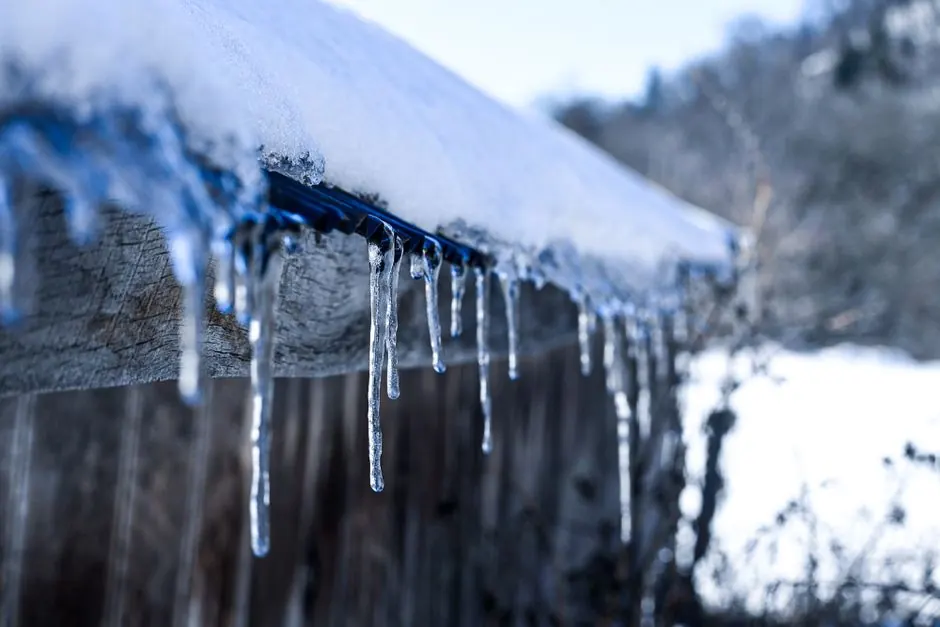
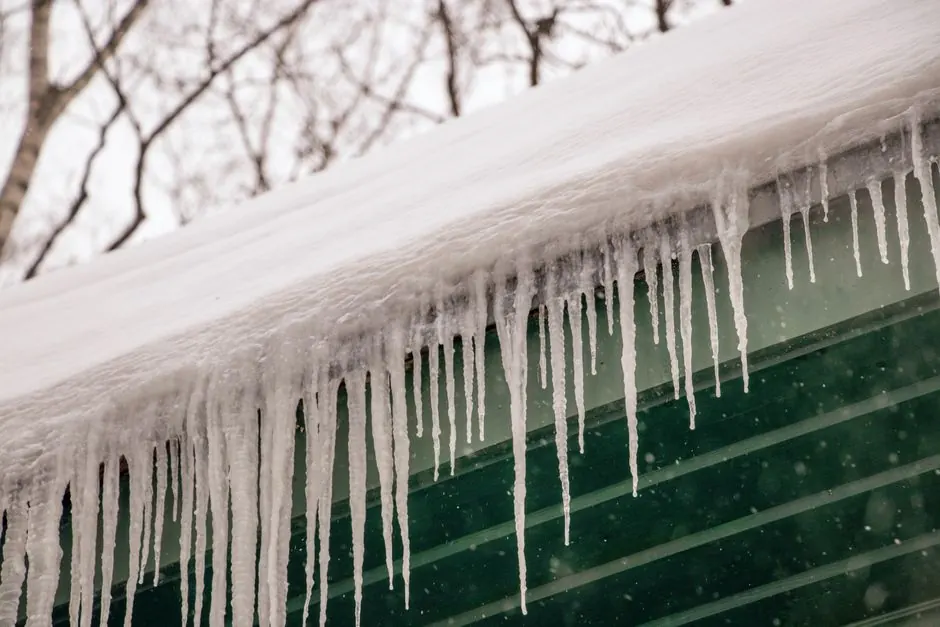
    Large icicles and a raised band of ice can signal that meltwater is trapped behind an ice dam. The ice does not prove a leak by itself, but water may back up beneath shingles. Keep people clear of the fall zone and avoid pulling or striking the icicles.

  • Gutters remain frozen during a thaw

    A gutter that stays packed with ice cannot carry runoff away from the roof edge. Water may pool at the eaves or run over the gutter face, and frozen downspouts can add to the blockage. We inspect the drainage path and clear ice carefully rather than forcing the gutter loose.

  • Damp attic insulation near the eaves

    Wet or compressed insulation near an exterior wall can point to repeated moisture intrusion. The damage may be hidden until someone checks the attic, and wet material loses insulating performance. Arrange an inspection and avoid compressing or disturbing the affected area before its moisture condition is understood.

  • Peeling paint or soft drywall below roofline

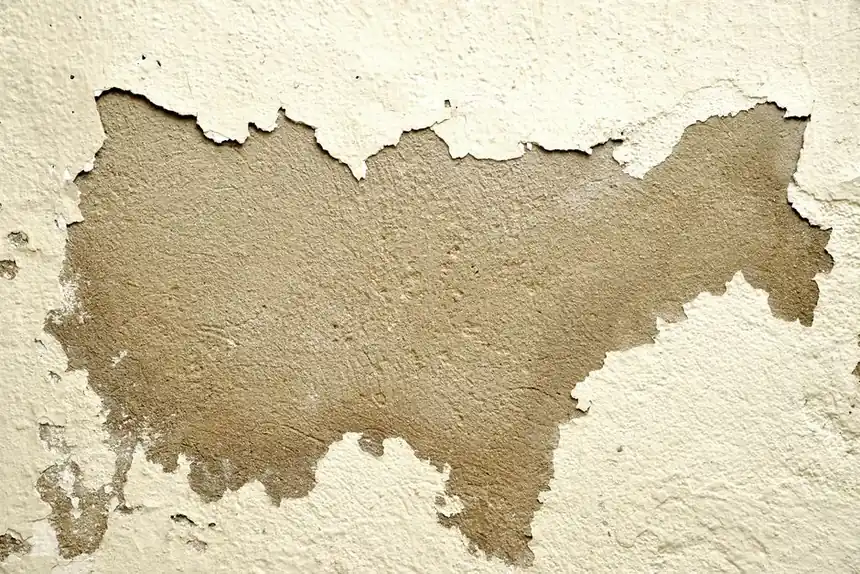
    Bubbling paint, soft drywall, or a musty smell under a roof edge can follow repeated small leaks. The source may be an ice dam, damaged flashing, or another roof defect. A roof and interior check helps distinguish active intrusion from old staining and shows whether drying is needed.

Cold Spring landmarks for orientation

Cold Spring is straightforward to navigate when we have a street address and a nearby landmark or road reference. We use public landmarks only to orient our route; they do not determine whether a roof needs work. Tell us if the property is near downtown, the Sauk River, or a Lake Wobegon Trail access point, and identify which side of the building is affected. For commercial sites, include the business entrance and any loading or customer-access area that must remain clear.

Lake Wobegon Trail

The Lake Wobegon Trail passes through the Cold Spring area and provides a recognizable regional orientation point. A nearby access point can help clarify which part of town a caller means, while the crew still navigates to the property's street address.

Sauk River

The Sauk River is a recognizable geographic feature associated with Cold Spring. Mentioning the river area can help distinguish a general location during a call, but the actual service route and roof assessment depend on the building address.

Cold Spring City Hall

Cold Spring City Hall is a civic reference point within the community. It can help orient a caller describing a nearby downtown location; it is not a service site or a basis for assumptions about roof conditions.

Coverage across Cold Spring & Stearns County

56320

Plus surrounding Stearns County neighborhoods, with same-day routing on most appointments.

Cold Spring ice dam service by season

As October moves into winter, Cold Spring homeowners can prepare before snow settles on the roof. During winter, snow cover, freezing nights, and daytime thaws drive most urgent calls; spring can reveal water damage that began earlier. Summer is the best time to review recurring roof and attic conditions, while fall is a practical window to clear gutters and plan access. If you are deciding when to remove snow from a roof to prevent ice dams, address heavy accumulation early and avoid climbing onto an icy roof.

Spring

Thaws expose leaks that may have been hidden through winter. Cold Spring roofs can continue shedding meltwater while shaded eaves remain icy, and interior stains may become more visible as materials dry. Check attic corners and ceilings for dampness, peeling paint, or soft spots.

Tip: Photograph new stains and note when they appear. We can inspect the roof edge and affected interior area, then advise whether moisture checks or repairs are needed after the ice is gone.

Summer

Summer weather removes immediate roof ice concerns, making it easier to review damage and recurring trouble spots. A prior winter leak may have left compressed insulation, stained drywall, or a roof detail that needs repair before the next freeze.

Tip: Use the dry season to address roof and attic findings. Ask us to review the location of past ice buildup so the next winter plan is based on the actual roof condition.

Fall

Fall is the preparation period in Cold Spring. Leaves can obstruct gutters, and early cold snaps may freeze water in a drainage path before winter snow arrives. Inspect roof edges, downspout outlets, attic insulation, and signs of previous ceiling leaks.

Tip: Clear gutters before sustained freezing weather and keep a safe ground view of the roof. If one eave has dammed repeatedly, arrange an inspection before snow makes access harder.

Winter

Winter brings the highest risk of ice dams as snow accumulates, melts, and refreezes along colder eaves. Cold Spring residents should watch for icicles, blocked gutters, attic dampness, and ceiling stains, especially after a warm spell followed by a hard freeze.

Tip: Do not chip ice or use an extension ladder on snow or ice. Call us if water enters the home or a thick ridge blocks drainage; share roof height and leak location to speed the assessment.

Cold Spring ice dam removal FAQs

Real answers from our team for the questions we hear most often before a job starts.

How much does ice dam removal cost in Cold Spring?
Straightforward ice dam removal in Cold Spring often falls around $300-$700, while larger, steep, or difficult-access jobs can run roughly $700-$1,500 or more. The final price depends on roof height, ice thickness, the length of the affected eave, and whether a leak needs attention. Emergency timing and interior drying add work. We give upfront pricing before the work begins, after understanding the roof and access conditions.
How quickly can an ice dam be removed in Cold Spring?
A straightforward removal often takes about two to four hours, while extensive ice or difficult roof access can take longer. Emergency response timing depends on current winter roads, active calls, and safe working conditions. Call 612-555-0100 and tell us whether water is entering, how many stories the building has, and which roof edge is affected. That lets us assess urgency and equipment needs.
Is steam ice dam removal safe for roof shingles?
Controlled steam removal is designed to clear ice without the impact of chopping or prying at shingles. We assess the roof material, pitch, and ice thickness before directing steam through the blockage. The work creates drainage channels in manageable sections rather than forcing the whole ice mass off at once. If shingles are already damaged or loose, we identify that condition during the inspection.
What should I do if an ice dam causes a roof leak?
Move belongings away from the drip, place a container beneath it if safe, and call for help; do not climb onto the roof. Avoid wet lights, outlets, and sagging ceiling areas. We assess the roof edge and leak location, then determine whether ice removal and moisture checks are needed. If drywall is bulging or holding water, keep people out of that area until it is assessed.
Can roof snow removal help prevent ice dams in Cold Spring?
Removing heavy roof snow can reduce the amount of snow available to melt and refreeze at the eaves, but it does not correct every cause of ice dams. Roof geometry, attic insulation, ventilation, and drainage also matter. We assess the roof and choose safe areas for snow removal, using ground-based tools where appropriate. Never climb onto a snowy or icy roof to clear it yourself.

Call for ice dam removal in Cold Spring

Ice dam removal in Cold Spring starts with a clear description of the roof and any leak inside. Call Minnesota Ice Dam Pros at 612-555-0100 and tell us your address, roof height, and whether water is actively entering. Our team will help identify the service needed and arrange the next step. We follow OSHA fall protection requirements for roof work and focus on controlled removal that protects your roof.

Call Our Team Send a Message

Contact Minnesota Ice Dam Pros

Call +1 612-555-0100 for ice dam removal or frozen pipe help across Minnesota. We take urgent calls around the clock and respond with practical questions about the leak, roof access, or water service so we can direct the right crew. Share your community and what you see; we will explain the next step and pricing before work starts.

Or call us right now at +16125550100 — we answer.

Minnesota Ice Dam Pros


  • Phone

    +16125550100
  • Address

    Minnesota

  • Hours

    Mon–Fri: 7AM – 7PM
    Sat: 8AM – 4PM
    Sun: Emergency Only
    24/7 Emergency Available

Call +16125550100 Get Quote
Call Quote