Residential Ice Dam Removal in Detroit Lakes
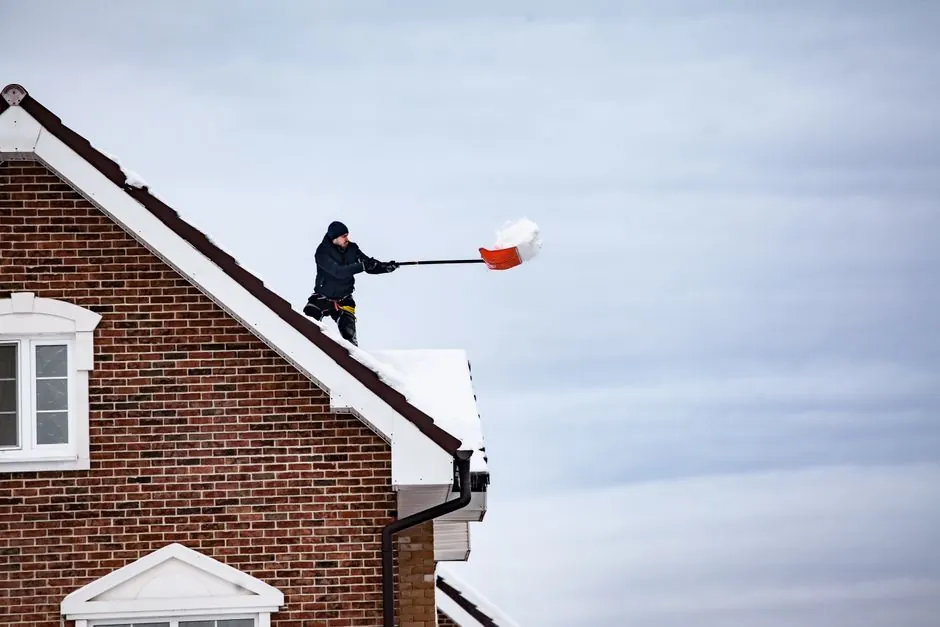
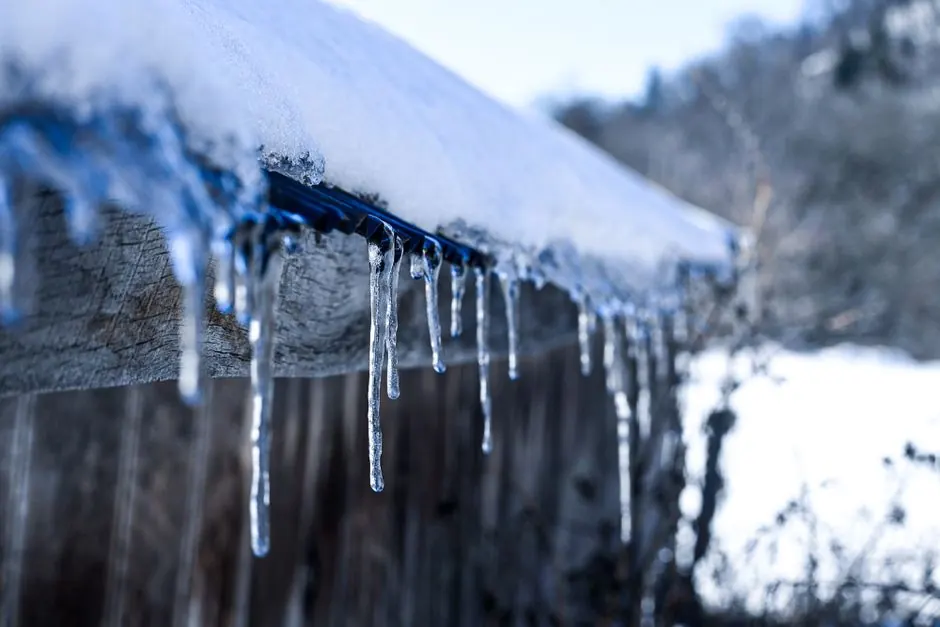
Detroit Lakes homes range from older houses near downtown to newer residences, garages, additions, and seasonal properties around the lakes. Roof design matters: a low eave over a porch, a garage tie-in, or a shaded slope can collect ice differently from the main roof. We start with the area you can see and ask where water appears indoors, then check the corresponding roof edge and accessible attic space. For a family dealing with a drip, the first goals are to restore drainage, protect belongings, and understand whether insulation or drywall has been affected. Our residential service includes careful roof access, steam removal where appropriate, and a clear explanation of any follow-up needed.
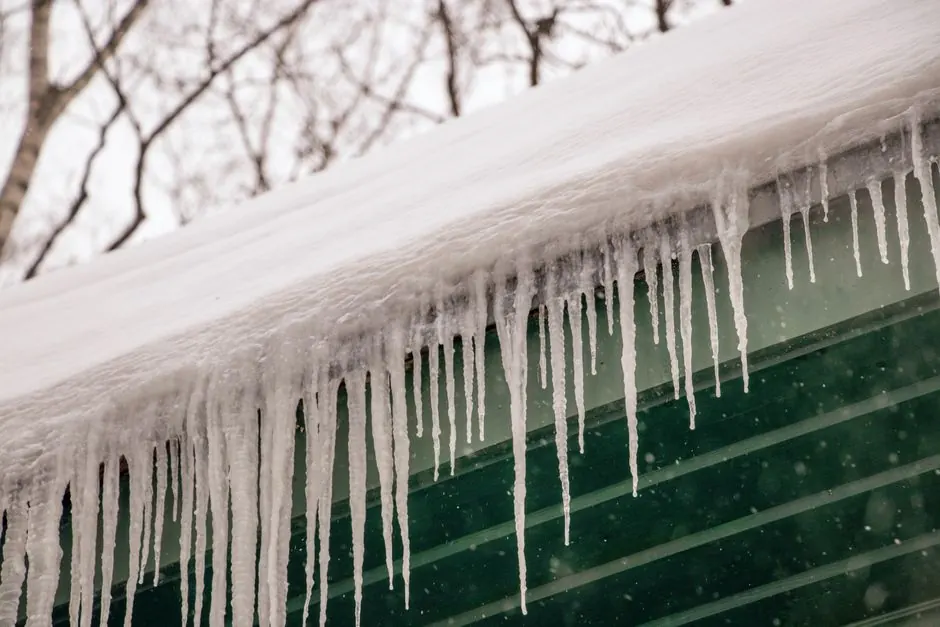
- Roof-edge ice dam clearing — We clear the section of roof edge holding water and avoid unnecessary disturbance to surrounding shingles. In Detroit Lakes, we check porch roofs, garage connections, and eaves above entrances as part of the access plan. You receive a direct explanation of where the drainage path was opened and what to monitor during the next thaw.
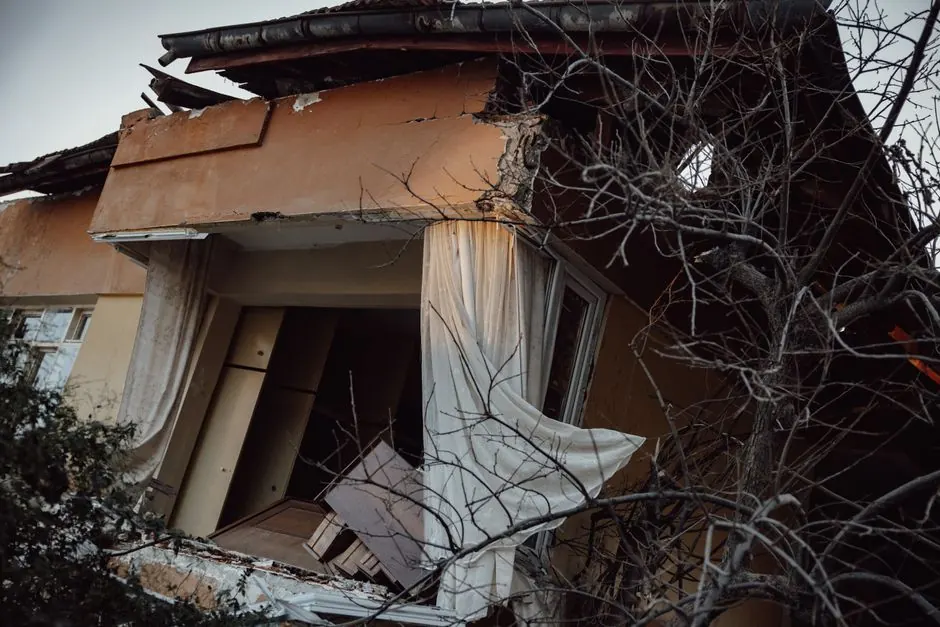
- Emergency leak response — If water is entering a bedroom, kitchen, or hallway, we prioritize the roof area above the affected room. Detroit Lakes homeowners can tell us whether the drip changes with daytime melting and whether the ceiling is sagging. We clear the obstruction where safe and inspect visible interior conditions before recommending the next step.
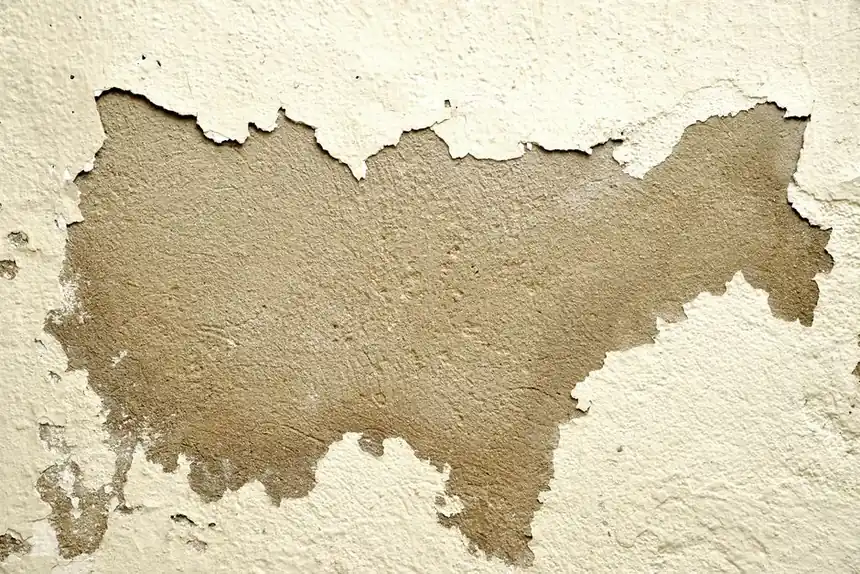
- Attic moisture inspection — We look for wet or compressed insulation, visible staining, and moisture near the roof deck in the area connected to your leak. On Detroit Lakes homes with additions or multiple roof slopes, we focus the inspection on the relevant bay rather than assuming the whole attic is affected. Findings guide drying or repair.
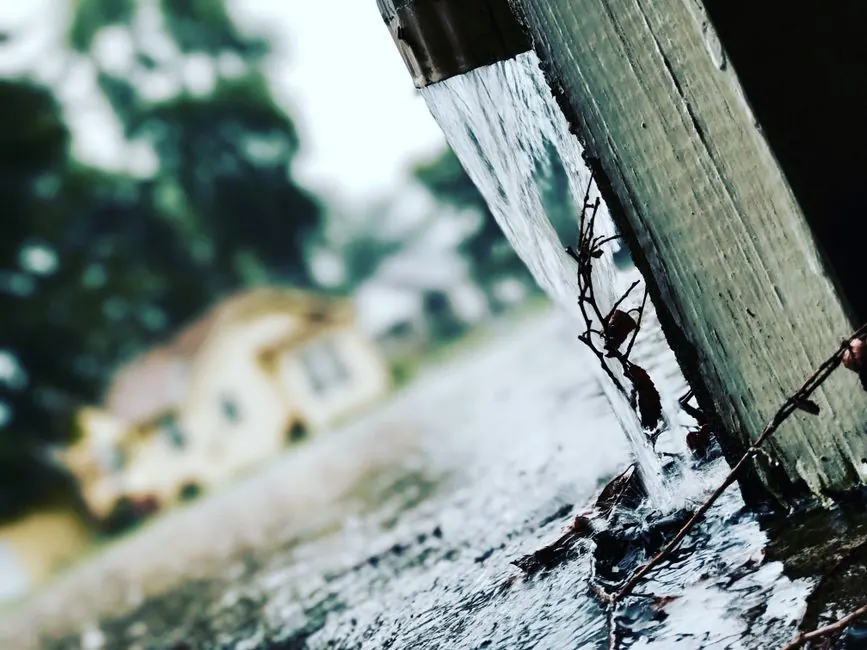
- Gutter and downspout clearing — Blocked drainage can keep water at the eave after snow begins to melt. We check accessible gutters and downspouts at Detroit Lakes homes and note any ice that continues into the roof edge. Clearing the route can restore flow and reduce the chance that water remains trapped above the gutter.