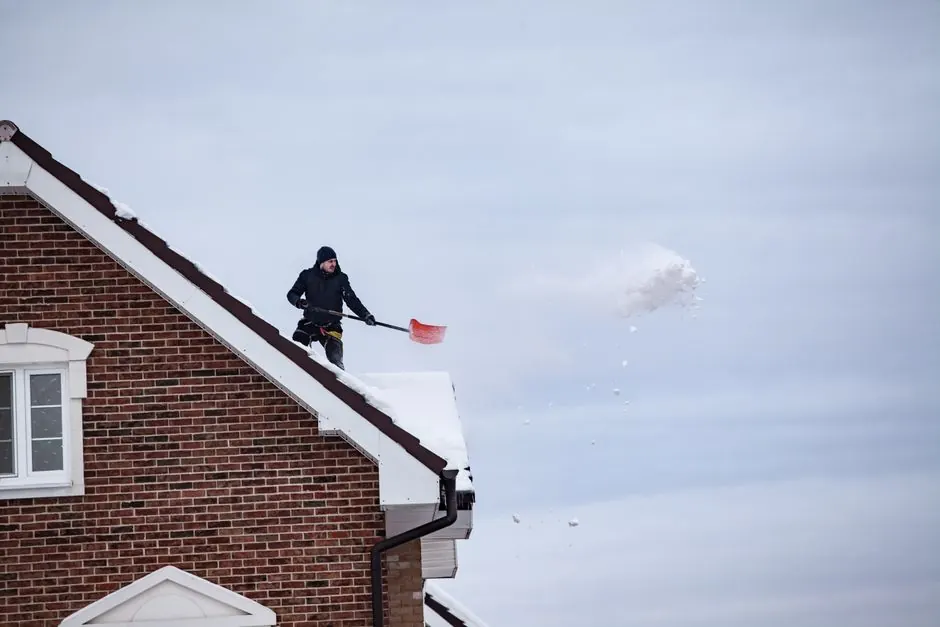
Residential ice dam removal for Farmington homes
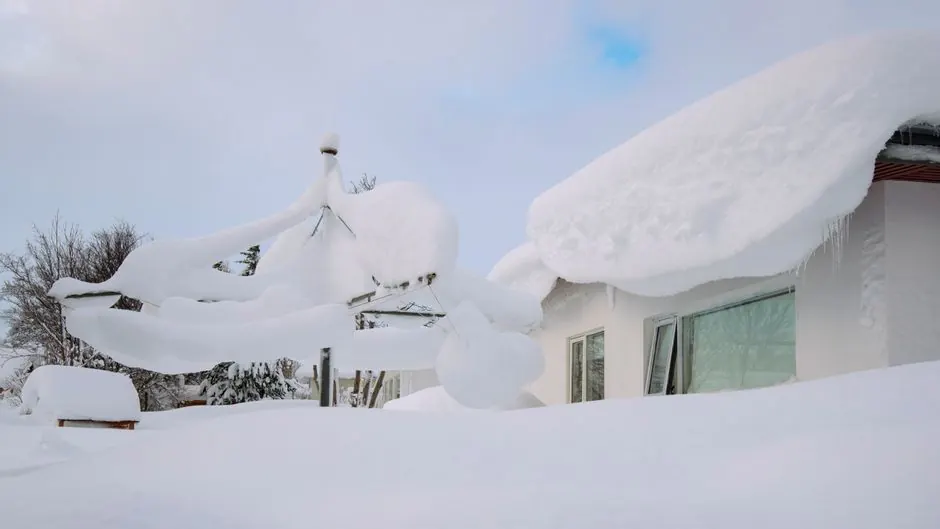
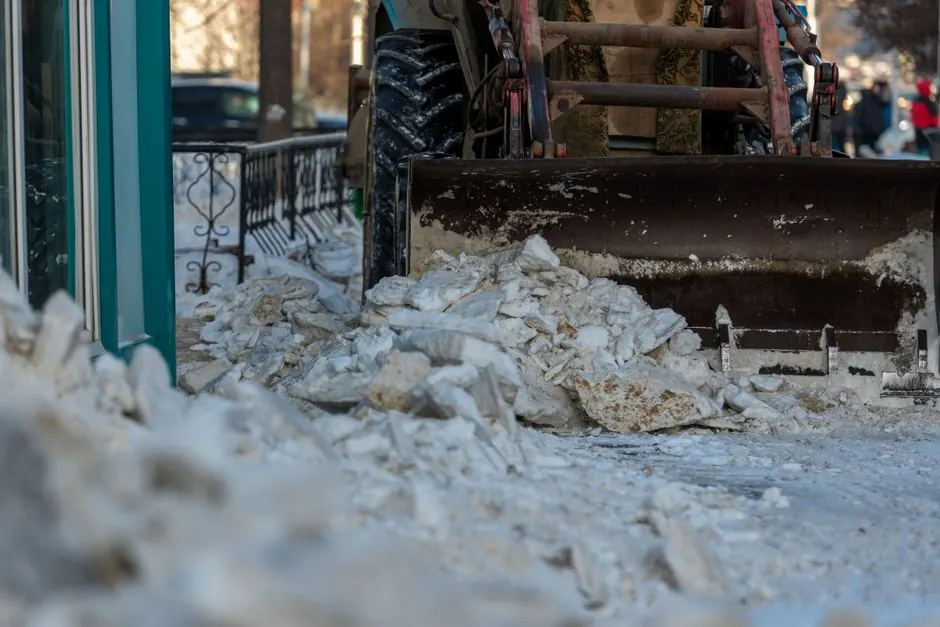
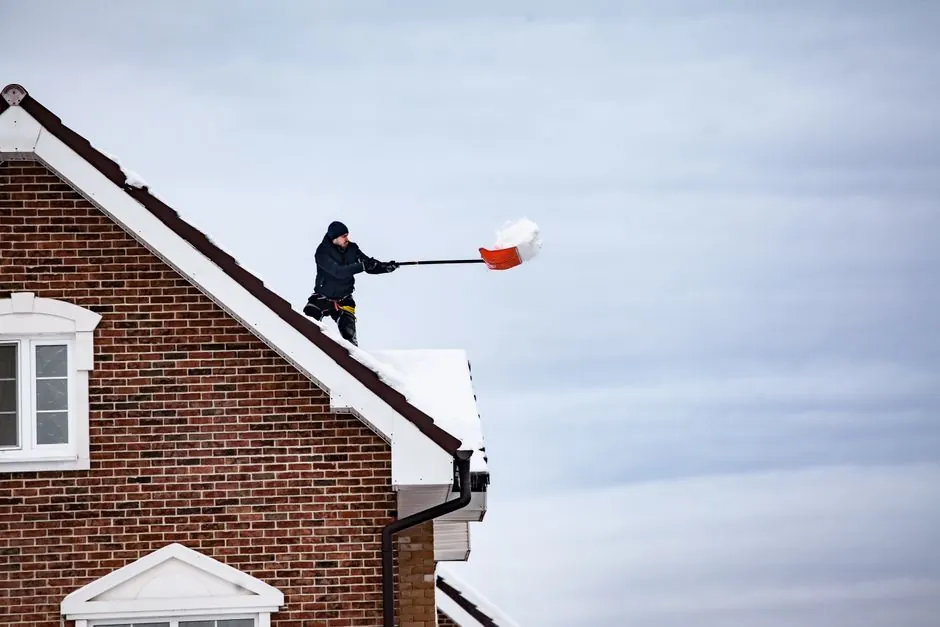
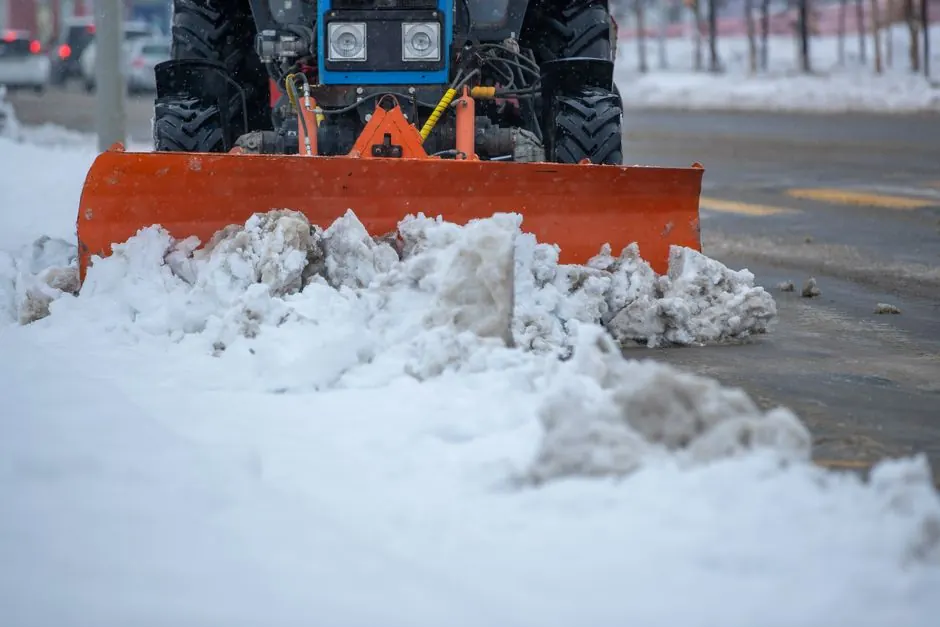
Farmington homes include varied roof shapes and ages, from houses in growing subdivisions to established properties around the central area. Snow can drift onto one roof plane, while shaded gutters and valleys hold ice through a prolonged cold stretch. We protect the part of the home that matters most first: a room with an active drip, a ceiling beneath a blocked eave, or an attic with damp insulation. A professional ice dam removal near me in Farmington search should lead to a crew that can explain roof access, removal method, and interior checks plainly. We provide roof clearing, gutter and downspout work, leak assessment, and restoration steps for homeowners who need more than a quick look from the ground.
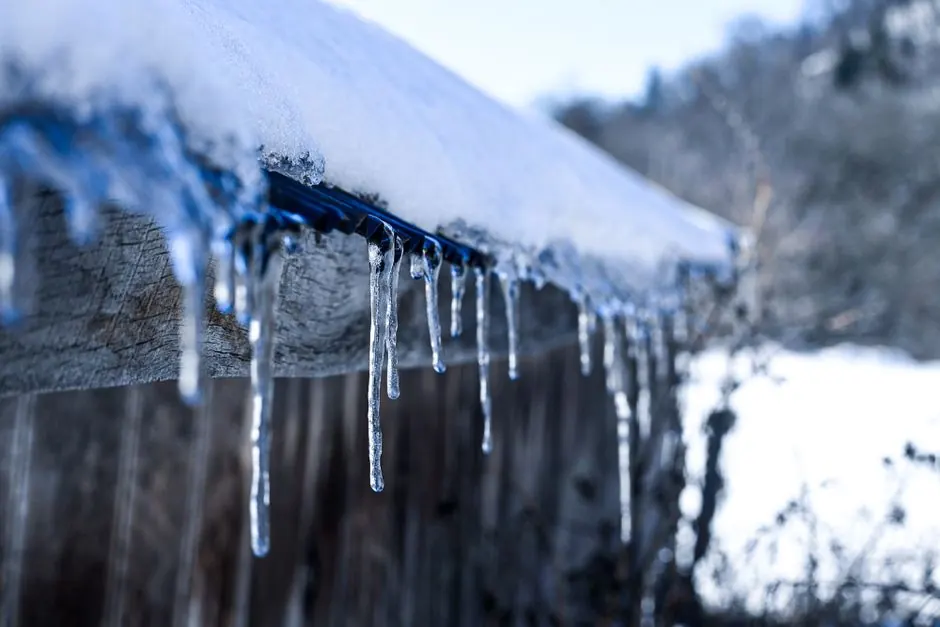
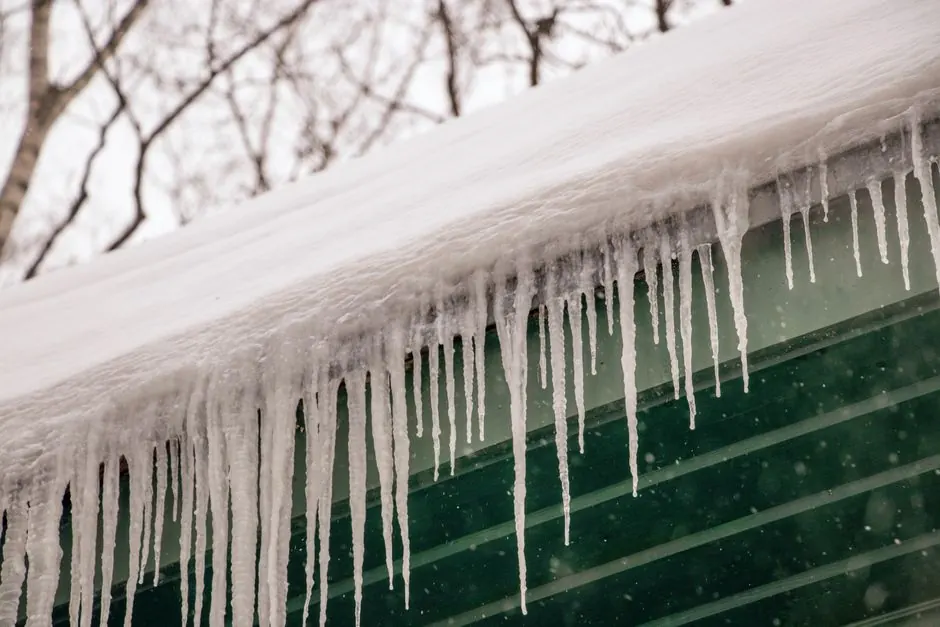
- Controlled roof-edge steam removal — We clear ice at Farmington roof edges with controlled steam selected for the roof surface and ice location. Our crew opens a drainage channel, avoids impact tools on shingles, and checks whether the water can reach the gutter. If a ceiling is stained below, we inspect that area before closing out the visit.
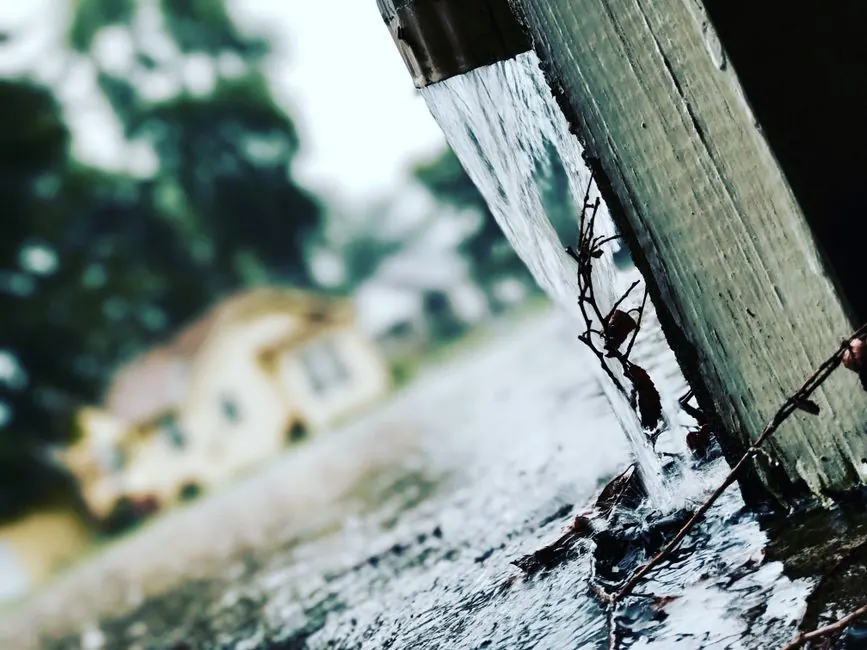
- Gutter and downspout ice clearing — A blocked outlet can keep meltwater trapped even after roof-edge ice is removed. We inspect the gutter run and downspout, clear accessible ice, and confirm the path is open. Farmington homeowners get an explanation of any remaining obstruction or cold-weather condition affecting drainage.
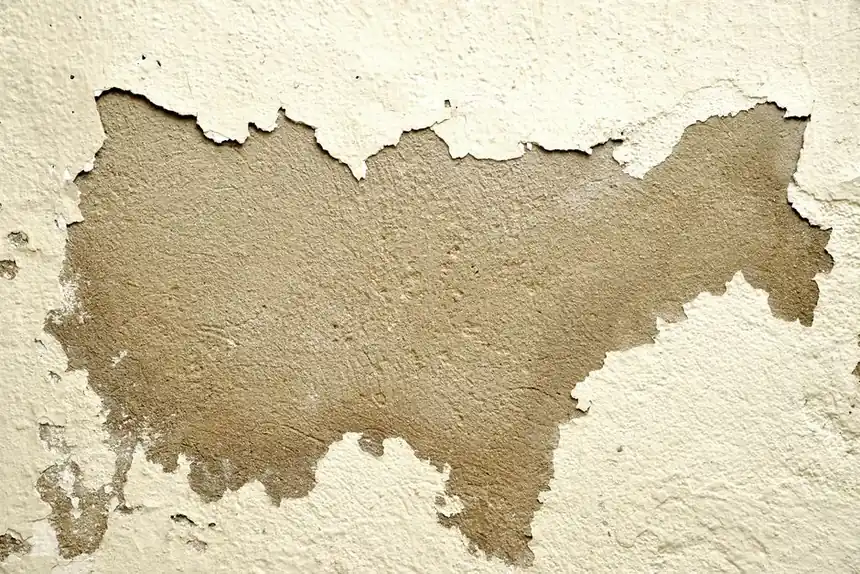
- Roof leak and attic inspection — When water appears indoors, we inspect the roof area above the symptom and accessible attic spaces for water tracks or damp insulation. We check the affected ceiling and wall so your next step is based on the moisture, not just the visible stain. That helps avoid covering wet materials.
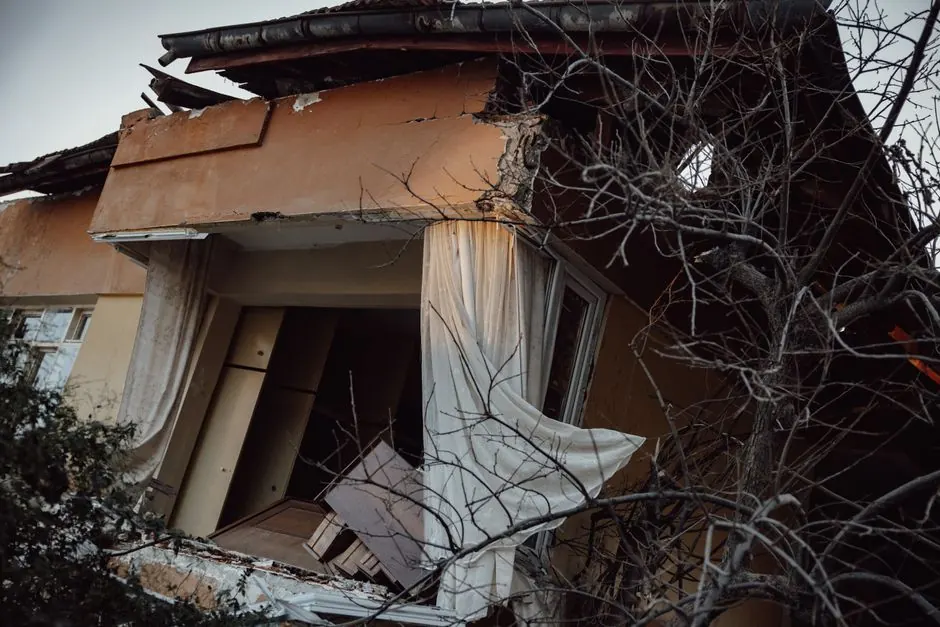
- Post-leak drying and surface repair — After the roof source is controlled, we assess wet drywall and affected interior finishes in your Farmington home. If drying is needed, we place suitable air movement and dehumidification equipment and monitor the material. Repairs follow once the affected area is dry enough to close.