
Logo
Get Estimate

Ice dam removal in Grand Rapids for Roofs at Risk

Ice dam removal in Grand Rapids stops roof ice buildup before meltwater reaches ceilings, walls, and insulation. Minnesota Ice Dam Pros serves homes and commercial buildings around downtown, the Mississippi River, and the Lake Pokegama area. We assess the roof, choose a safe removal method, and check for signs of water entry so you know what needs attention next. Call us when a growing ice lip or ceiling stain threatens your property.

Call Our Team Request Service
Emergency service Careful steam work Local coverage
Licensed Licensed & Bonded
Fully Insured Insured & Bonded
24/7 Emergency Same-Day Response
Warranty Backed Workmanship Guaranteed in Grand Rapids
Grand Rapids

Ice dam removal in Grand Rapids, Minnesota


Ice dam removal in Grand Rapids is a roof service that clears ice barriers so melting snow can drain instead of backing beneath roof shingles. Homes here face long winter stretches, lake-effect snow bands, and repeated freeze-thaw cycles that load eaves and gutters. Our team works across Grand Rapids, from established streets near downtown to homes around Lake Pokegama and the Mississippi River, adapting access and removal to each roof. We use controlled steam for bonded ice, then inspect visible roof flashing and drainage paths. For urgent ice dam roof leaks, we pair removal with a practical check of the attic and affected rooms. You get a clear explanation of the immediate work and the next steps for wet materials. We also handle roof snow removal when snow load is adding pressure before an ice barrier forms.

  • Locally licensed and insured in Grand Rapids
  • Same-day diagnostics and written estimates
  • Real workmanship warranty in writing
  • Background-checked, in-house technicians

Grand Rapids ice dam services and repairs

Grand Rapids winters bring roof snow, freeze-thaw movement, and long periods when gutters stay packed with ice. We handle the complete sequence, from safe ice removal to leak cleanup and attic checks, so you are not left with a cleared eave and an unexplained ceiling stain. If you are searching for how to remove an ice dam without damaging shingles, the answer is to avoid axes, hammers, and uncontrolled hot water; our crew selects equipment for the roof and the ice condition. We also coordinate service for residential and commercial properties across town and nearby lake roads.

Ice Dam Removal

Ice Dam Removal

We assess the ice line, roof pitch, and available access before clearing the obstruction. Grand Rapids homes with steep or multi-level roofs need controlled work that avoids striking shingles and flashing. Our crew removes only what is needed to restore drainage, then checks gutters and the eave for remaining blockage.

View Details
Emergency Ice Dam Removal

Emergency Ice Dam Removal

When water is dripping through a ceiling or an ice ridge is backing up meltwater, call for emergency help. We prioritize the active leak, identify a safe access point, and work around occupants, vehicles, and snow-covered walkways. For Grand Rapids properties, we also explain immediate steps to protect belongings while the roof is addressed.

View Details
Steam Ice Dam Removal

Steam Ice Dam Removal

Our low-pressure steam generator loosens bonded roof ice without the impact of chopping. We direct a commercial steam hose and nozzle along drainage channels, adjusting the work to shingles, valleys, and flashing. This method suits many Grand Rapids roofs where ice has locked the eaves and manual force could damage roofing.

View Details
Roof Snow Removal

Roof Snow Removal

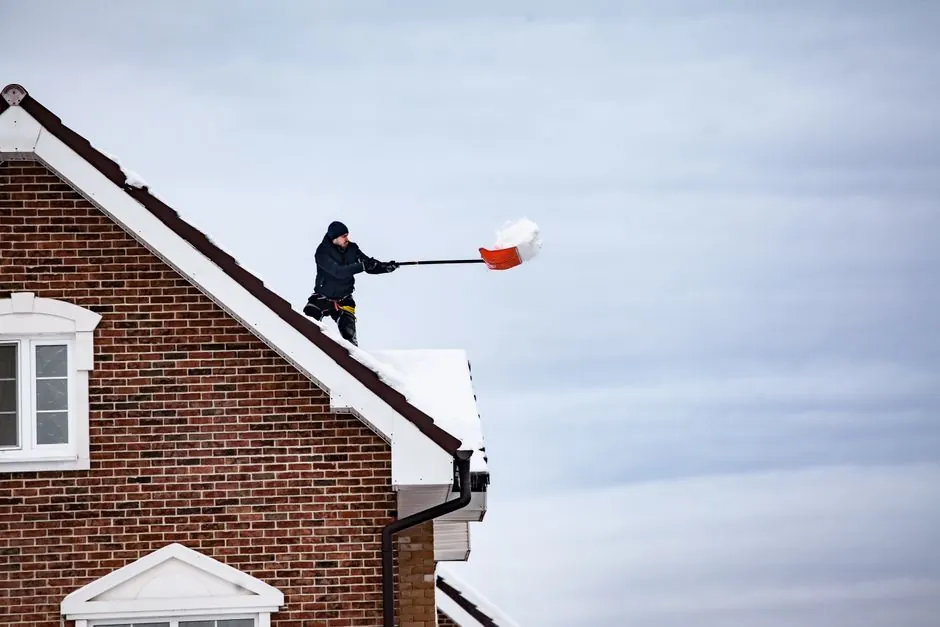
Heavy roof snow adds load and can feed repeated melt-and-freeze cycles at the eaves. We remove selected snow from Grand Rapids roofs with roof rakes and controlled access, leaving a safe working path and avoiding damage to shingles. The service is especially useful before a forecast thaw follows a substantial snowfall.

View Details
Gutter Ice Removal

Gutter Ice Removal

Ice-filled gutters can prevent meltwater from draining and send water toward fascia or under roof edges. We remove accessible gutter ice carefully and inspect for visible separation or damage. In Grand Rapids, we pay particular attention to shaded eaves and long runs that remain frozen after daytime temperatures rise.

View Details
Gutter and Downspout Clearing

Gutter and Downspout Clearing

We clear packed debris and ice from gutters and downspouts so water has a path away from the roofline. Frozen downspouts can hold water even after eaves are opened, so we check the discharge route and accessible connections. This work is useful for Grand Rapids properties preparing for a thaw or spring runoff.

View Details
Ice Dam Roof Leak Repair

Ice Dam Roof Leak Repair

A roof leak needs more than a bucket under the drip. We trace the entry area, check nearby flashing and roof materials, and address the immediate opening when conditions allow. For Grand Rapids customers, we also look for wet attic insulation and ceiling stains that show how far water has traveled.

View Details
Ice Dam Water Damage Restoration

Ice Dam Water Damage Restoration

If meltwater has reached an attic, wall cavity, or ceiling, we assess moisture and begin appropriate drying. Moisture readings help separate damp material from material that needs further attention. We protect the affected area, use drying equipment when suitable, and keep the focus on stopping continued damage in your Grand Rapids property.

View Details
Ceiling and Wall Water Damage Repair

Ceiling and Wall Water Damage Repair

Water-damaged drywall can sag, stain, or remain damp after the roof is cleared. We inspect affected ceilings and walls, identify moisture extent, and plan repair after the source is controlled and materials are dry enough. In Grand Rapids homes, this may include checking attic-side surfaces before closing a repaired ceiling.

View Details
Attic Ice Dam Damage Inspection

Attic Ice Dam Damage Inspection

An attic inspection looks for water tracks, wet or compressed insulation, and hidden moisture that a room-side check can miss. We examine accessible areas around eaves, roof penetrations, and insulation transitions. Grand Rapids property owners get a practical record of observed conditions and the next repair priorities.

View Details
Ice Dam Removal in Grand Rapids
Service · #1

Ice Dam Removal in Grand Rapids


Ice dam removal in Grand Rapids protects homes from water backing beneath shingles during prolonged northern Minnesota freezes. Minnesota Ice Dam Pros serves established neighborhoods near downtown, residential streets around the Mississippi River, and homes beyond the city center. Many local roofs face repeated snow, thaw, and refreeze cycles that build dangerous ice at eaves. We assess the roof, choose a careful removal method, and explain what needs attention afterward.

Assessing Roof Ice Safely

We begin by checking where ice has collected, how water is draining, and whether shingles or flashing show visible stress. On older Grand Rapids homes with steep rooflines, dormers, or layered additions, access and drainage patterns can differ considerably. This assessment helps us plan ice dam removal without unnecessary roof contact and identify areas that warrant follow-up.

Removing Ice With Care

Our crew selects a controlled approach suited to the roof and conditions, avoiding forceful chopping that can damage shingles, gutters, or roof edges. When appropriate, steam loosens ice in manageable sections so meltwater can escape. For homeowners seeking ice dam removal in Grand Rapids, careful work matters during winter weather, when frozen surfaces make every roof edge a hazard.

Checking Drainage Afterward

After clearing the immediate ice, we inspect accessible eaves and drainage paths for remaining blockages. Grand Rapids winters can bring another freeze soon after a brief warm spell, so we discuss signs to monitor and practical next steps. If staining or interior moisture appears, we can point out where a separate roof or attic inspection may help.

  • Roof-edge assessment documenting ice buildup and vulnerable drainage areas
  • Controlled removal plan matched to roof access and surface conditions
  • Clearing of selected ice sections to reopen meltwater paths
  • Post-service observations and guidance for monitoring vulnerable eaves

Emergency Ice Dam Removal in Grand Rapids


Emergency ice dam removal in Grand Rapids can help when water is entering a home or a heavy ice buildup threatens the roof edge. Minnesota Ice Dam Pros responds to urgent calls across the city, from older downtown properties to houses near Pokegama Lake. Rapid freeze-thaw shifts can turn a minor backup into ceiling stains or active dripping. We evaluate the immediate concern, prioritize safe access, and explain the work needed to reduce ongoing exposure.

  1. 01

    Triage Active Water Intrusion

    When a caller reports dripping, we first establish where water is appearing and whether it is still active. In Grand Rapids homes with finished upper floors or older attic assemblies, a ceiling stain may be some distance from the roof entry point. This initial review helps us focus on the roof area most likely to be feeding the leak and set realistic response priorities.

  2. 02

    Prioritizing Safe Roof Access

    Emergency work still requires a safe setup, especially after heavy snowfall and overnight refreezing. Our crew considers roof pitch, snow depth, wind, access around the building, and nearby walkways before choosing a method. For urgent ice dam removal in Grand Rapids, we aim to address the immediate blockage while protecting occupants, property, and workers from falling ice.

  3. 03

    Limiting Further Interior Exposure

    Once the urgent roof condition is assessed, we explain what can be cleared and what may need separate repair or drying. Homes near the Mississippi River corridor can experience long cold spells followed by brief thaws, making renewed drainage problems possible. We share observations about visible entry points and advise homeowners to document interior changes for their restoration or insurance records.

  • Priority assessment of reported leaks and roof-edge ice conditions
  • Safe-access review covering snow, pitch, weather, and ground hazards
  • Targeted clearing recommendations for the active water backup
  • Documented observations for follow-up roofing or restoration work
Emergency Ice Dam Removal in Grand Rapids

02 / 10

Service

5+ YEARS · GRAND RAPIDS

Steam Ice Dam Removal in Grand Rapids

Steam ice dam removal in Grand Rapids offers a controlled way to loosen stubborn ice without striking the roof with tools. Minnesota Ice Dam Pros works on local homes where deep winter snow and repeated thawing leave thick ridges along the eaves. From older houses near downtown to newer builds on the city's outskirts, roof materials and slopes vary. We assess each surface and use a measured process to reopen drainage while limiting unnecessary contact.

Applying Controlled Steam

We direct low-pressure, high-temperature steam at selected sections so ice releases gradually rather than through forceful impact. This method can suit many Grand Rapids roof configurations, including eaves interrupted by dormers or valleys. Our technicians watch how water moves as the ice softens, helping prevent the newly opened channel from immediately becoming obstructed by loosened fragments.

Protecting Roofing Materials

Before work begins, we consider the roof covering, slope, access points, and condition of the surrounding gutters. A careful ice dam removal approach avoids using hammers or picks that can crack shingles during severe cold. On older Grand Rapids properties, worn edges or previous repairs deserve particular attention, so the work plan accounts for visible vulnerabilities rather than treating every roof alike.

Reopening Eave Drainage

Steam work focuses on creating practical channels that let trapped meltwater move off the roof. Grand Rapids weather can shift quickly from sunny afternoons to hard overnight freezes, making clear drainage especially important. We review the finished areas from accessible positions and explain whether additional ice remains, what to watch for, and when a separate inspection may be appropriate.

  • Roof-covering review before selecting a steam application approach
  • Measured steam treatment of identified ice buildup at eaves
  • Drainage-channel clearing in selected roof-edge locations
  • Completion notes describing remaining ice and visible roof concerns
Roof Snow Removal in Grand Rapids

Roof Snow Removal in Grand Rapids


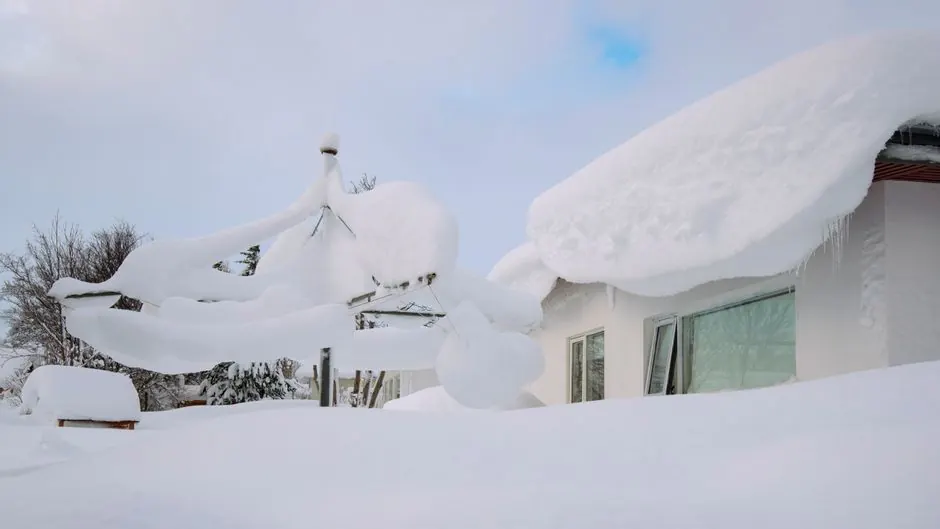
Roof snow removal in Grand Rapids helps reduce excess snow load and limit the conditions that contribute to eave ice. Minnesota Ice Dam Pros serves homes and buildings throughout the area, where long winters can leave layered snow on roofs for weeks. Older properties near downtown may have additions and varied roof pitches, while newer homes often have broad uninterrupted slopes. We assess access and roof conditions before deciding how much snow can be removed safely.

Visual review of roof valleys, transitions, and uneven snow accumulation

Promise

“We look for uneven accumulation around valleys, dormers, roof transitions, and sections sheltered from wind. These locations can collect more snow than the main roof plane, especially after successive storms across Gr…”

— Grand Rapids customer
Evaluating Snow Load Areas +

We look for uneven accumulation around valleys, dormers, roof transitions, and sections sheltered from wind. These locations can collect more snow than the main roof plane, especially after successive storms across Grand Rapids. A targeted assessment helps determine which areas deserve attention and avoids unnecessary disturbance to the entire roof when only specific sections carry concentrated buildup.

Removing Snow Carefully +

Our crew works from safe positions and uses methods selected for the roof covering and site layout. We leave a protective layer where appropriate rather than scraping shingles bare, reducing the risk of surface damage. Homeowners looking for roof snow removal in Grand Rapids can expect attention to nearby porches, entrances, and walkways where falling snow must be managed.

Planning Around Winter Conditions +

Wind, temperature, snow density, and roof access all affect how removal should proceed. A wet, compacted layer after a brief thaw behaves differently from fresh powder, and Grand Rapids weather can create both within a short period. We discuss the conditions observed and identify areas that may need rechecking after another substantial snowfall or freeze-thaw cycle.

  • Visual review of roof valleys, transitions, and uneven snow accumulation
  • Selective snow removal from identified roof sections
  • Ground-level work-area planning around entrances and walkways
  • Post-service summary of remaining snow and weather-related considerations
Gutter Ice Removal in Grand Rapids
Service · #5

Gutter Ice Removal in Grand Rapids


Gutter ice removal in Grand Rapids addresses frozen channels that can block drainage and add stress to roof edges. Minnesota Ice Dam Pros helps local property owners when winter runoff refreezes in gutters after daytime melting. Around neighborhoods with mature trees and older homes, debris and limited sun exposure can add to seasonal blockage. We inspect accessible sections, consider the gutter material and mounting, and choose a measured approach suited to the buildup and conditions.

Finding Frozen Blockages

We inspect visible gutter runs for solid ice, backed-up water, sagging sections, and signs of overflow. In Grand Rapids, shade from mature trees or neighboring structures can keep eaves frozen after sunny periods, while falling leaves may contribute to restricted flow. Identifying the extent of the blockage helps us determine which areas need attention and whether a downspout may also be affected.

Loosening Ice Without Impact

Forceful blows can split brittle gutter material or loosen its fasteners, particularly during severe cold. We select a careful removal approach based on the gutter type, ice depth, and safe access. For residents needing gutter ice removal in Grand Rapids, the goal is to address the frozen obstruction without turning a drainage problem into avoidable exterior damage.

Restoring Winter Drainage

Once accessible ice is cleared, we review whether water has a route through the gutter and downspout system. A sudden thaw around Pokegama Lake or elsewhere in the city can send runoff toward any remaining frozen section. We note visible limitations and suggest follow-up clearing or inspection if the system still appears unable to carry meltwater away from the building.

  • Inspection of visible gutter runs for ice, sagging, and overflow
  • Removal plan based on gutter material and access limitations
  • Targeted clearing of accessible frozen gutter sections
  • Drainage observations highlighting possible downspout restrictions

Gutter and Downspout Clearing in Grand Rapids


Gutter and downspout clearing in Grand Rapids keeps seasonal debris and obstructions from holding water against the roofline. Minnesota Ice Dam Pros serves homes across the city, including properties shaded by mature trees and older houses with long-established drainage systems. Leaves, needles, and winter residue can collect before freezing weather arrives. We check accessible gutters and outlets, clear buildup where practical, and explain any visible condition that could interfere with proper runoff.

  1. 01

    Clearing Seasonal Debris

    We remove accessible leaves, twigs, and sediment that can block gutter channels or gather at outlet openings. Tree-lined Grand Rapids lots often send debris onto roofs throughout fall, making a prewinter check useful before temperatures stay below freezing. Clearing the channel gives rain and melting snow a better chance to reach the downspout rather than spilling over the fascia.

  2. 02

    Checking Downspout Outlets

    A clean-looking gutter can still drain poorly if its outlet or lower downspout is restricted. We check accessible connections and look for signs of backup, separation, or discharge too close to the foundation. During Grand Rapids freeze-thaw periods, trapped water can refreeze inside a downspout, so identifying a likely restriction helps homeowners plan the right follow-up.

  3. 03

    Reviewing Drainage Conditions

    After clearing, we assess visible flow paths and note issues such as loose hangers, standing water, or disconnected sections. Homes with additions or complex rooflines around Grand Rapids may have several drainage routes that need individual attention. Our findings help distinguish routine debris removal from repairs that may require a gutter specialist before the next round of snow or rain.

  • Removal of accessible leaves, twigs, and sediment from gutters
  • Inspection of visible downspout openings and connecting sections
  • Identification of standing water and loose gutter hardware
  • Written observations on drainage issues requiring additional repair
Gutter and Downspout Clearing in Grand Rapids

06 / 10

Service

5+ YEARS · GRAND RAPIDS

Ice Dam Roof Leak Repair in Grand Rapids

Ice dam roof leak repair in Grand Rapids begins with locating where backed-up meltwater is entering the roof assembly. Minnesota Ice Dam Pros helps homeowners respond to ceiling drips and damp areas after snow builds along eaves. Local homes range from older downtown structures to newer houses with varied attic layouts, so the visible stain may not reveal the entry point. We assess accessible roof areas, document observations, and explain the next repair steps.

Tracing Water Entry Signs

We consider roof penetrations, flashing, valleys, and eaves alongside the location of interior staining. In Grand Rapids homes, water can travel along framing before appearing on a ceiling, making a direct line from stain to leak unreliable. A focused inspection helps narrow likely entry points and distinguish ice-related backup from other roof or plumbing concerns.

Planning Targeted Roof Repairs

After identifying visible damage, we explain which roof details may need repair and whether temporary protection is appropriate while conditions remain icy. The repair plan accounts for the roof covering, pitch, and nearby snow or ice. For ice dam roof leak repair in Grand Rapids, safe access and suitable weather conditions determine when lasting exterior work can be completed.

Documenting Interior Evidence

We record visible signs such as water marks, damp insulation, or damaged roof components when accessible. Strong winter winds and repeated thaws around the Mississippi River can complicate leak patterns, so dated photos and clear notes can assist later follow-up. We also identify when interior drying or separate water-damage restoration should be considered after the roof opening is addressed.

  • Inspection notes identifying likely roof leak entry locations
  • Photographic record of visible exterior and interior concerns
  • Repair recommendations matched to roof materials and access
  • Follow-up guidance for temporary protection and interior assessment
Ice Dam Water Damage Restoration in Grand Rapids

Ice Dam Water Damage Restoration in Grand Rapids


Ice dam water damage restoration in Grand Rapids helps address moisture that reaches ceilings, walls, insulation, or finished rooms. Minnesota Ice Dam Pros works with homeowners after winter water intrusion, documenting affected areas and identifying practical next steps. Older homes near downtown may contain layered finishes that conceal moisture, while newer properties can have finished attic spaces vulnerable to leaks. We assess visible damage and coordinate the response around the source and extent of water exposure.

Room-by-room record of visible water damage and staining

Promise

“We inspect visible staining, soft materials, peeling finishes, and damp areas to understand how far water may have traveled. In Grand Rapids houses with finished upper floors, moisture can spread beyond the first visi…”

— Grand Rapids customer
Mapping Affected Interior Areas +

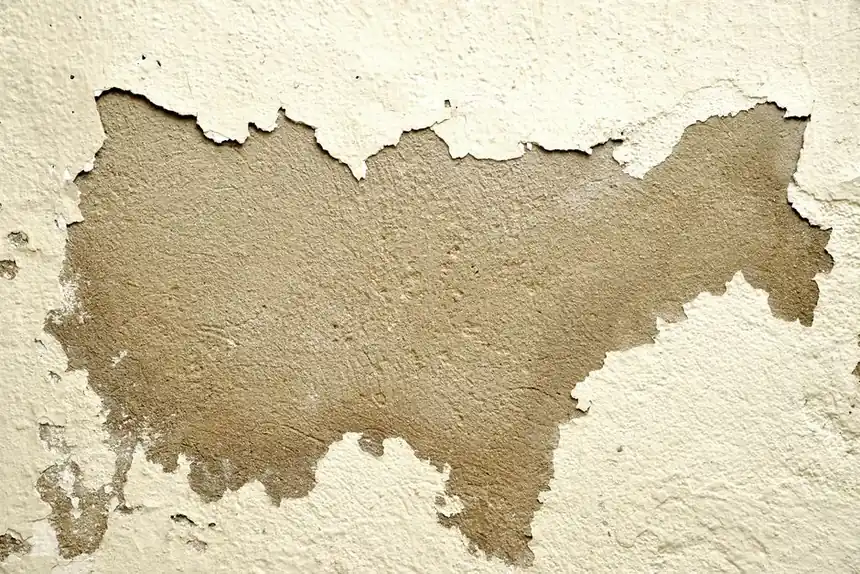
We inspect visible staining, soft materials, peeling finishes, and damp areas to understand how far water may have traveled. In Grand Rapids houses with finished upper floors, moisture can spread beyond the first visible mark. Careful documentation gives homeowners a clearer starting point for drying and repair decisions, while helping distinguish areas needing immediate attention from surfaces that appear unaffected.

Supporting Thorough Drying +

Materials that remain damp after a winter leak may need drying before cosmetic repairs begin. We discuss affected surfaces and whether insulation, drywall, or flooring should be evaluated further. During Grand Rapids cold spells, closed windows and limited ventilation can slow indoor drying, so an appropriate moisture-management plan helps reduce the chance of covering wet materials prematurely.

Coordinating Repair Decisions +

Restoration should follow control of the roof leak, otherwise new water may compromise completed work. We organize observations by room and affected material, then explain which repairs may require a qualified restoration or building professional. For ice dam water damage restoration in Grand Rapids, clear records and a sensible sequence help homeowners manage winter disruption and plan lasting interior repairs.

  • Room-by-room record of visible water damage and staining
  • Assessment notes identifying materials needing drying evaluation
  • Prioritized recommendations for moisture control and repair sequencing
  • Documentation package supporting contractor and insurance follow-up
Ceiling and Wall Water Damage Repair in Grand Rapids
Service · #9

Ceiling and Wall Water Damage Repair in Grand Rapids


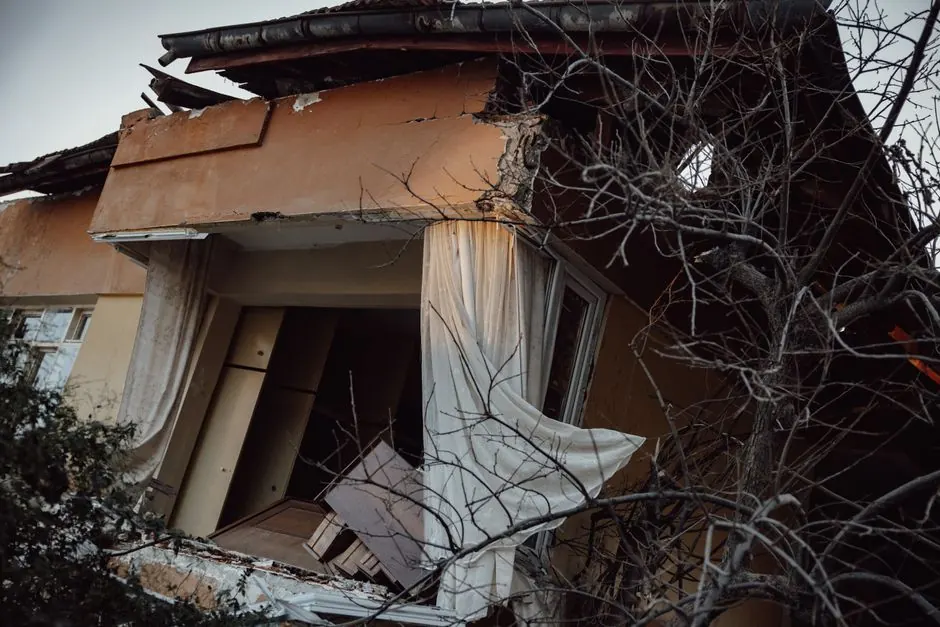
Ceiling and wall water damage repair in Grand Rapids addresses interior finishes affected by leaks from winter ice buildup. Minnesota Ice Dam Pros helps property owners assess stained drywall, bubbling paint, and damaged ceiling sections after the roof leak is controlled. Local housing includes older homes with plaster as well as newer drywall construction, so repair needs vary. We review the affected surfaces, identify what should dry first, and outline a practical path toward restoring the room.

Assessing Damaged Finishes

We inspect the affected wall and ceiling for discoloration, bubbling, cracking, soft spots, and visible seam changes. In Grand Rapids homes with plaster beneath newer paint, a stain may need a different repair approach than damaged drywall. Identifying the material and extent of visible deterioration helps establish whether the area can be patched or needs more extensive replacement.

Preparing Surfaces For Repair

Wet materials should be evaluated and dried before new paint or finish work covers them. We note areas where moisture may remain and explain why the roof source must be resolved first. For ceiling and wall water damage repair in Grand Rapids, the sequence matters: stabilizing the leak and addressing damp materials helps prevent renewed staining after the surface has been restored.

Restoring Room Appearance

Once affected materials are ready, repairs may include removing compromised sections, replacing drywall, finishing joints, and preparing surfaces for paint. In older Grand Rapids properties, matching existing textures and trim can require care to blend the repaired area with surrounding finishes. We clarify the observed scope and identify when specialized interior restoration work should be arranged.

  • Surface assessment covering ceiling stains, wall finishes, and soft spots
  • Documentation of plaster or drywall conditions in affected rooms
  • Repair sequencing recommendations following leak control and drying
  • Defined scope notes for patching, replacement, and finish matching

Attic Ice Dam Damage Inspection in Grand Rapids


Attic ice dam damage inspection in Grand Rapids looks for signs that backed-up roof water has reached the space beneath the shingles. Minnesota Ice Dam Pros checks accessible attic areas for damp insulation, staining, and visible roof-deck concerns after winter leaks. Homes across the city differ in insulation, ventilation, and attic access, especially older buildings with additions. We document what can be safely observed and explain when further evaluation or drying may be needed.

  1. 01

    Checking Attic Moisture Signs

    We look for damp or compressed insulation, water marks on framing, darkened roof sheathing, and signs of active dripping. In Grand Rapids, extended cold periods can keep an attic space chilly while a brief thaw sends water beneath roof edges. Recognizing these indicators helps homeowners understand whether the leak appears limited or whether moisture may have affected a broader area.

  2. 02

    Reviewing Roof Deck Conditions

    Visible roof decking and framing can reveal where water has traveled, but access may be restricted by stored belongings or low clearances. We document what is safely reachable and avoid disturbing materials without a clear reason. An attic ice dam damage inspection in Grand Rapids can provide useful evidence for deciding whether additional roofing or restoration assessment is appropriate.

  3. 03

    Considering Ventilation And Insulation

    We note visible gaps, uneven insulation, and ventilation conditions that may be relevant to winter roof performance. These observations do not replace a full energy or building assessment, but they can point to areas worth discussing with a qualified specialist. Grand Rapids snowfall and repeated freeze-thaw cycles make balanced attic conditions important to investigate after water intrusion.

  • Accessible attic review for damp insulation and water staining
  • Photographs of visible roof-deck and framing concerns
  • Notes on apparent ventilation and insulation irregularities
  • Recommendations for additional roofing, drying, or building evaluation
Attic Ice Dam Damage Inspection in Grand Rapids

10 / 10

Service

Residential Ice dam removal

Residential ice dam removal for Grand Rapids homes

Grand Rapids homes range from older houses close to downtown to newer construction and year-round properties around Pokegama Lake. Roof shape, attic insulation, additions, and tree shade all affect where snow holds and where ice forms. We work with homeowners facing a blocked eave, an active ceiling drip, or a spring discovery of damp insulation. Our residential service begins with the roof condition and access, then follows water indoors if needed. Steam ice dam removal restores drainage without using impact tools against shingles. If you are home during the visit, we explain where we will stage equipment, how long the work is expected to take, and what signs to monitor after the next thaw. We can also inspect accessible attic areas and identify whether drying or ceiling repair should follow.

  • Steam clearing at roof eaves — We use controlled steam to open drainage through bonded ice without striking shingles. For Grand Rapids homes, we check the eave length, roof pitch, and safe hose route before starting. After removal, we look for remaining gutter blockage and explain what you should watch during the next thaw.
  • Emergency leak response — If water is entering a bedroom, hallway, or kitchen ceiling, we prioritize the roof obstruction and protect the area below. We assess accessible attic surfaces after the ice is cleared and identify whether wet insulation or drywall needs drying. Grand Rapids homeowners receive a direct explanation of the immediate repair sequence.
  • Roof snow reduction — A heavy snow layer can keep feeding an ice ridge during changing winter temperatures. We remove selected roof snow with appropriate tools and safe access, focusing on the areas that affect drainage. In Grand Rapids, the plan accounts for snowbanks around the house and the roof's pitch and height.
  • Attic moisture inspection — We check accessible attic sections for water tracks, damp insulation, and moisture around roof transitions. A moisture meter helps identify areas that need follow-up after a leak. This service gives Grand Rapids homeowners a clearer picture than relying on a ceiling stain alone.
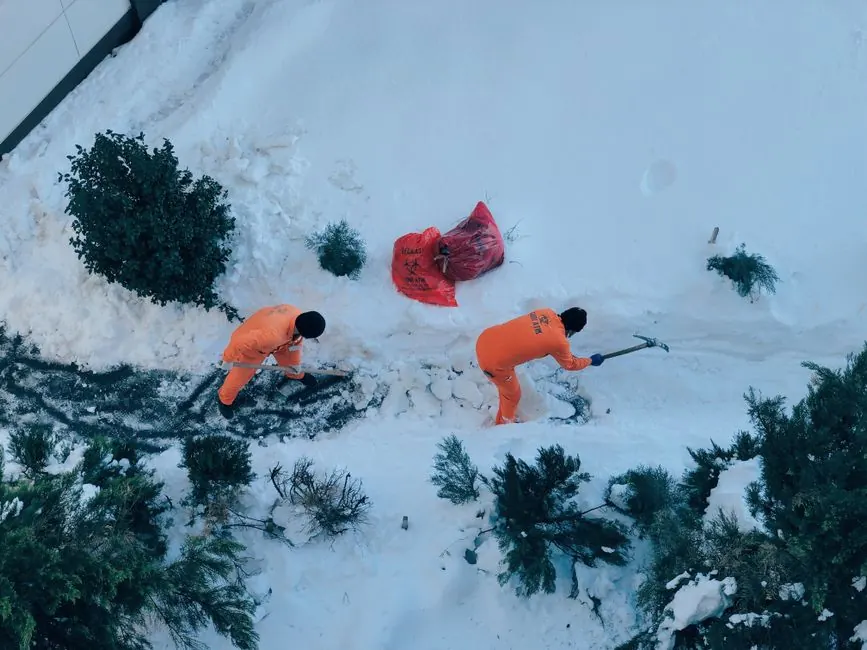
Commercial Ice dam removal

Commercial ice dam removal in Grand Rapids

Grand Rapids commercial properties include downtown storefronts, offices, lodging, service businesses, and larger facilities with roof areas that need safe access planning. Ice along entrances, loading areas, and customer walkways creates an operational problem as well as a roof concern. We coordinate the work around building access and the location of people below, then address the roof obstruction with a method suited to its covering and layout. For business owners searching for emergency ice dam removal near a Grand Rapids storefront, we focus first on active leaks and safe pedestrian routes. Our crew can also inspect gutters, downspouts, and visible interior water damage, with clear communication about the work sequence so you can plan staff and customer access.

Retail storefrontsHotels and lodgingOffices and clinicsSchools and public buildingsLight industrial facilities

Common Grand Rapids roof-ice problems

Grand Rapids winter weather often brings extended snow cover, sharp temperature changes, and periods when roofs do not dry between storms. That combination can create ice dams, gutter ice blockage, and leaks at eaves or roof intersections. Older roof layouts may include additions and valleys that collect snow, while newer homes can still have uneven roof temperatures if attic insulation or air sealing is inconsistent. We focus on the actual entry path and drainage condition instead of assuming every leak has the same cause. Steam ice dam removal is one option when ice is bonded to the roof surface.

Ice dams form above gutters after repeated freeze-thaw weather

Snow melts on warmer roof areas and refreezes at colder eaves, gradually building a barrier. Grand Rapids can experience several cycles during a long winter, leaving meltwater with fewer paths to drain. Shaded sections and roof transitions can hold ice longer than exposed areas.

Frozen downspouts keep water trapped at the roof edge

Water cannot drain when a downspout is frozen or packed with ice, even if part of the gutter has been cleared. Cold conditions in Grand Rapids can keep shaded outlets frozen after daytime roof melt begins, creating a backup at the eave.

Ice at roof valleys feeds leaks near interior walls

Intersecting roof planes can concentrate snow and runoff. When ice restricts drainage near a valley, water can work beneath roofing materials or flashing and show up away from the exterior edge. Grand Rapids homes with additions or complex rooflines need an inspection of those transitions.

Attic moisture remains hidden after the roof stops dripping

A leak can stop once weather changes while wet insulation, roof framing, or drywall remains damp. Moisture may be concealed above a ceiling or at an eave, so a dry-looking room does not confirm that the structure is dry.

When to call for roof ice removal

Call when you see an ice ridge at the eave, water entering indoors, or a gutter that remains frozen through a thaw. In Grand Rapids, a roof can look stable from the driveway while water is already tracking along roof underlayment or entering an attic. If you are wondering when to call a professional for an ice dam, treat an active leak as urgent and avoid climbing onto an icy roof. We can assess the obstruction, clear a safe drainage route, and check for visible moisture damage.

  • Water stain spreading across a ceiling

    A new or expanding brown mark below an exterior wall or roof edge can signal meltwater entering above the ceiling. The stain may appear after a daytime thaw and grow overnight. Move belongings, avoid touching a sagging surface, and call promptly if water is actively dripping.

  • Thick ice hanging over the gutter

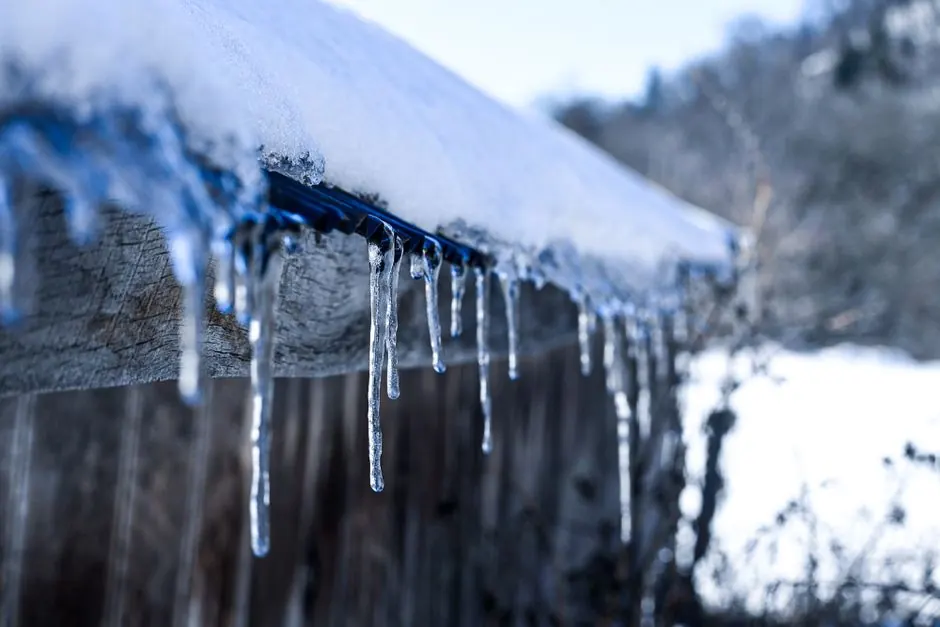
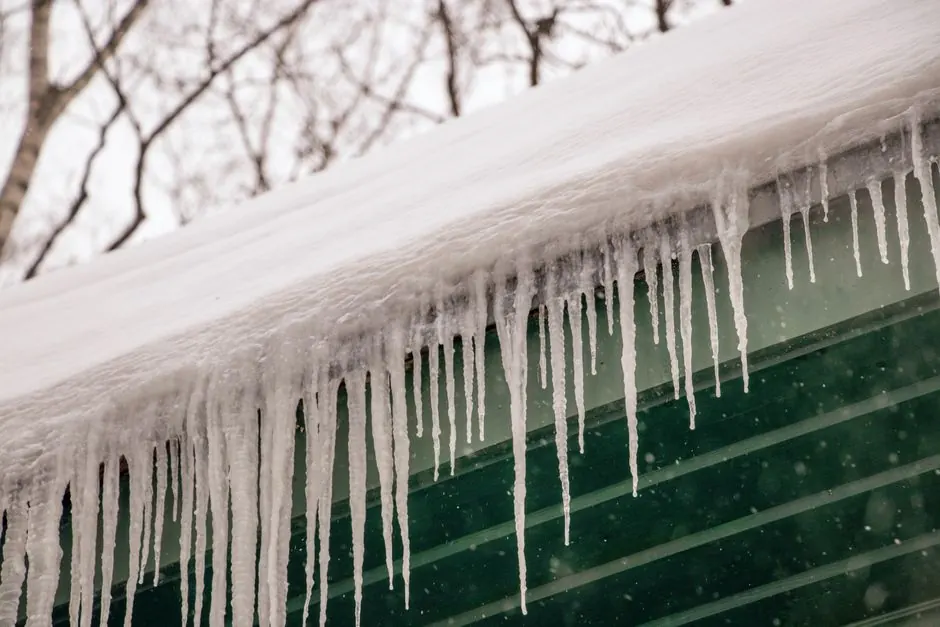
    A continuous ice lip or icicles backed by a solid ridge can indicate that meltwater is trapped behind the eave. Do not strike it with a hammer or shovel; impacts can damage shingles and gutters. Professional steam removal opens drainage without chopping the roof surface.

  • Gutters remain blocked during a thaw

    If roof snow is melting but water is not leaving the gutter or downspout, ice may be holding it in place. The trapped water can back up toward the roof edge. We inspect accessible drainage and clear the obstruction where conditions allow.

  • Damp attic insulation near the eaves

    Wet or compressed insulation at an attic edge points to moisture intrusion or recurring condensation that deserves inspection. The source may not be visible from the living space. We check accessible areas and use moisture readings to identify where follow-up is needed.

  • Drips appear during daytime warming

    Water dripping during a mild afternoon, then stopping when temperatures fall, often follows a thaw-and-freeze pattern at the roof edge. Repeated cycles can enlarge the wet area. Keep a container under the drip and call for roof assessment before the next thaw.

Landmarks that orient our Grand Rapids routes

Grand Rapids has recognizable public landmarks that help distinguish central streets, lake approaches, and routes across town. We use them as navigation references only; the service decision always comes from your roof condition and address. Tell us whether you are closer to the courthouse, the Judy Garland Museum, or the Pokegama area, then provide your street number so we can plan the final approach. Winter snowbanks and driveway conditions can change access, so we confirm those details when arranging service.

Judy Garland Museum

The museum is a recognizable Grand Rapids destination and a useful orientation point for nearby streets. It helps callers describe which part of town they are in, but it is not a service location or a reason to expect roof problems.

Itasca County Courthouse

The courthouse identifies the central civic area of Grand Rapids and helps orient directions toward downtown. Providing a nearby cross street still gives us the precise approach needed for equipment and parking.

Forest History Center

The Forest History Center is a regional visitor destination outside the downtown core. It can help callers explain their general location and road approach when arranging service in the surrounding Grand Rapids area.

Coverage across Grand Rapids & Itasca County

557445573055745

Plus surrounding Itasca County neighborhoods, with same-day routing on most appointments.

Grand Rapids ice dam seasons and planning

As October moves toward winter, Grand Rapids homeowners can use the fall window to check gutters, attic insulation, and roof drainage before snow settles in. Winter brings the main demand: snow accumulation, daytime melt, and overnight refreezing can create ice at eaves. Spring exposes leaks and wet materials as thaw continues; summer is the best time to inspect and plan roof or attic improvements. If you are asking how to prevent ice dams on a Grand Rapids home, begin with even attic temperatures, clear drainage, and a safe roof plan before storms arrive.

Spring

Spring thaw can reveal ceiling stains, damp attic insulation, and gutter damage that stayed hidden under snow. Roof runoff may shift between sunny and shaded sections, so a leak can recur during warm afternoons. We inspect the affected roof edge and interior area before repair decisions.

Tip: After snow leaves the roof, photograph stains and check gutters from the ground. Schedule an attic moisture check if insulation is damp or compressed, and avoid closing a ceiling before the source is controlled and materials are dry.

Summer

Summer is quieter for ice removal but useful for roof and attic work. You can examine roof flashing, gutters, insulation, and ventilation without an active ice hazard. Repairs made before the next cold season can reduce water pathways, though they do not replace safe snow and ice response.

Tip: Use the dry season to arrange roof maintenance and correct known drainage issues. Ask us to inspect prior leak areas and attic insulation so you have time to plan improvements before fall temperatures drop.

Fall

October is the current planning season in Grand Rapids. Leaves and debris can restrict gutters before the first lasting snow, while early cold snaps expose weak drainage or attic temperature differences. A clean roof edge gives meltwater a better chance to reach downspouts.

Tip: Clear gutters before freeze-up and check that downspout outlets are open. If last winter left stains or wet insulation, arrange an inspection now rather than waiting for the next active leak.

Winter

Winter is peak season for roof ice calls. Snow can remain on upper roof sections while meltwater refreezes along colder eaves, creating ice dams and blocked gutters. A thaw followed by an overnight freeze can make a small ridge grow quickly.

Tip: Watch eaves and ceilings from the ground, and call promptly for active drips. Do not climb an icy ladder or chip at shingles; we use controlled steam and safe access practices to restore drainage.

Service coverage beyond Grand Rapids

Grand Rapids is part of our Minnesota-wide service area, with routes connecting northern communities and larger population centers. Storm conditions, road access, and the urgency of an active leak help shape dispatch priorities. We coordinate service requests from Grand Rapids alongside calls from the cities below, keeping the property address and roof condition central to the plan. If you manage more than one property, tell us which location has active water entry first.

Ice dam removal in Grand Rapids FAQs

Real answers from our team for the questions we hear most often before a job starts.

How much does ice dam removal cost in Grand Rapids?
Residential ice dam removal in Grand Rapids commonly costs about $350-$1,200 in 2026, depending on roof height, ice depth, access, and drainage work. A simple steam removal may take two to four hours; a large roof or active leak can take longer and cost more. We provide upfront pricing before the work starts. If water has reached drywall or insulation, interior drying and repair are additional services.
How quickly can you remove an ice dam in Grand Rapids?
We provide 24/7 emergency response for active leaks, with arrival timing affected by storm conditions and safe road access. Once on site, a straightforward roof section often takes two to four hours to clear. Roof size, pitch, ice thickness, and frozen gutters change the time. Tell us where water is entering and whether the roof is one or multiple levels so we can prioritize the call.
Is steam ice dam removal safe for roof shingles?
Controlled, low-pressure steam is designed to loosen roof ice without the impact of chopping, and it is a common choice for bonded ice on shingles. We assess the roof covering and ice condition before using it. No method removes the need for safe access and careful direction of runoff. Avoid axes, hammers, and boiling water; they can damage roofing and create additional hazards.
What should I do if an ice dam is leaking into my ceiling?
Move furniture and electronics away, place a container under an active drip, and call for emergency ice dam removal. Do not climb onto the roof or puncture a bulging ceiling. We address the roof obstruction first, then check accessible attic and interior areas for moisture. If drywall or insulation is wet, drying and repair may be needed after the water source is controlled.
Can you remove ice dams near Pokegama Lake?
Yes, Minnesota Ice Dam Pros serves Grand Rapids properties around Pokegama Lake as well as downtown and nearby residential areas. Access varies with driveway length, snowbanks, roof pitch, and the location of the ice. Tell us the nearest road, roof level, and whether water is entering indoors. We can then discuss steam removal, roof snow removal, or gutter clearing for the conditions you describe.

Call for ice dam removal in Grand Rapids

Ice dam removal in Grand Rapids starts with a clear look at the roof, the drainage path, and any water already inside. Minnesota Ice Dam Pros provides 24/7 emergency response for active leaks. Call +1 612-555-0100 and tell us what you see at the eave and ceiling; we will help you take the next practical step.

Call Now Send a Message

Contact Minnesota Ice Dam Pros

Call +1 612-555-0100 for ice dam removal or frozen pipe help across Minnesota. We take urgent calls around the clock and respond with practical questions about the leak, roof access, or water service so we can direct the right crew. Share your community and what you see; we will explain the next step and pricing before work starts.

Or call us right now at +16125550100 — we answer.

Minnesota Ice Dam Pros


  • Phone

    +16125550100
  • Address

    Minnesota

  • Hours

    Mon–Fri: 7AM – 7PM
    Sat: 8AM – 4PM
    Sun: Emergency Only
    24/7 Emergency Available

Call +16125550100 Get Quote
Call Quote