
Logo
Get Estimate

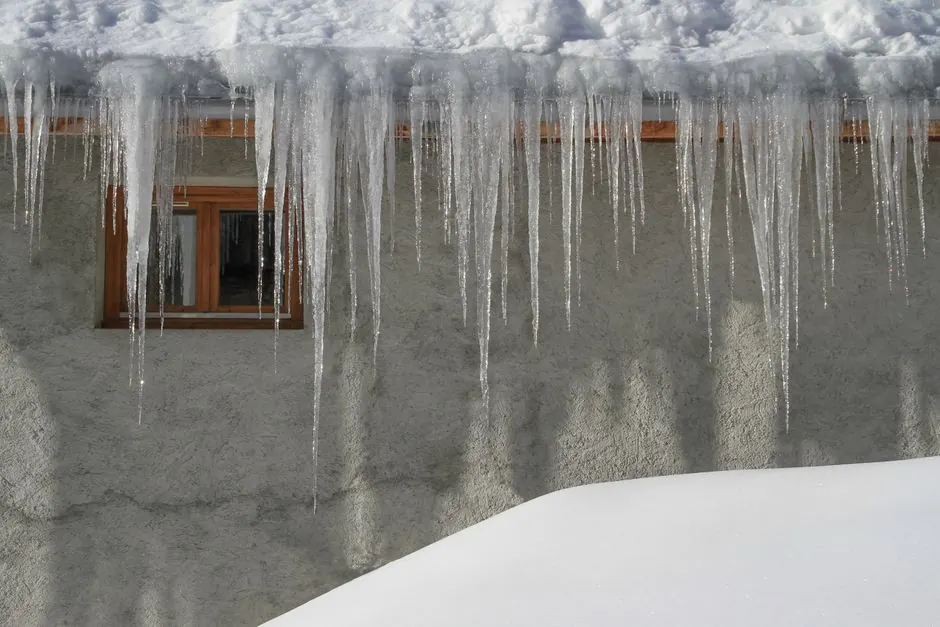
Ice dam removal in Little Falls for Winter Roofs

Ice dam removal in Little Falls keeps backed-up meltwater from working beneath roof shingles and into ceilings, attic insulation, and walls. We serve homes and businesses across this Morrison County community, from the downtown area to neighborhoods near the Mississippi River. Our crew assesses the ice, roof access, and signs of leakage before choosing a removal method, then explains the work and upfront price so you know what happens next.

Call Our Team Request Service
Emergency calls Service region Phone support
Licensed Licensed & Bonded
Fully Insured Insured & Bonded
24/7 Emergency Same-Day Response
Warranty Backed Workmanship Guaranteed in Little Falls
Little Falls

Ice dam removal in Little Falls homes


Ice dam removal in Little Falls is a roof-ice service that clears obstructive ice at eaves when trapped meltwater threatens to enter a building. Our team handles roof ice buildup, gutter ice blockage, and the water damage that can follow, with methods selected for the roof material and conditions on site. Little Falls has a mix of older houses, newer residential streets, and commercial buildings, so access, roof shape, and drainage vary from one call to the next. We inspect first, identify where water is backing up, and explain the safest practical approach before work begins.

We provide steam ice dam removal for stubborn roof-edge ice and roof snow removal when snow load contributes to the problem. If you have a ceiling stain or active drip, tell us where it appeared and when; that helps us prioritize a check of the attic and roofline. Our service area includes central Little Falls and surrounding residential areas, with coverage extending through the wider Minnesota region. We do not chip at shingles with picks or axes. The goal is a clear drainage path and reduced risk of further water intrusion, not a quick surface fix that damages the roof.

  • Locally licensed and insured in Little Falls
  • Same-day diagnostics and written estimates
  • Real workmanship warranty in writing
  • Background-checked, in-house technicians

Ice dam removal services in Little Falls

Little Falls roofs face the familiar central Minnesota sequence of snowfall, daytime melting, and overnight refreezing. When water begins backing up at the eaves, we match the service to the condition: clear the ice, remove excess roof snow, open a blocked gutter, or trace an interior leak. If you are searching for how to remove an ice dam without damaging shingles, the practical answer is to avoid chopping and have the roof assessed before choosing a method. We work on residential and commercial properties and can address the roof and resulting interior damage as separate parts of the same problem.

Ice Dam Removal

Ice Dam Removal

We inspect the roof edge, identify where ice is restricting drainage, and clear a controlled channel so meltwater has a path off the roof. In Little Falls, roof pitch, snow depth, and access differ between older homes near the central streets and newer houses farther out. We choose the removal method for the roof surface rather than treating every eave the same.

View Details
Emergency Ice Dam Removal

Emergency Ice Dam Removal

If water is dripping through a ceiling or running down an interior wall, call for emergency ice dam removal. We prioritize the active leak, evaluate the roof edge, and work to stop further water entry safely. Tell us whether the affected room is below an exterior wall or roof slope and when the leak started; those details help us focus the first inspection.

View Details
Steam Ice Dam Removal

Steam Ice Dam Removal

Steam removal loosens dense ice without striking roof shingles with a hand tool. We use a low-pressure steam generator and commercial steam hose and nozzle, adjusting the work to roof material and ice thickness. For Little Falls properties with a solid ridge at the eave, controlled steam can open drainage channels while limiting contact with shingles and flashing.

View Details
Roof Snow Removal

Roof Snow Removal

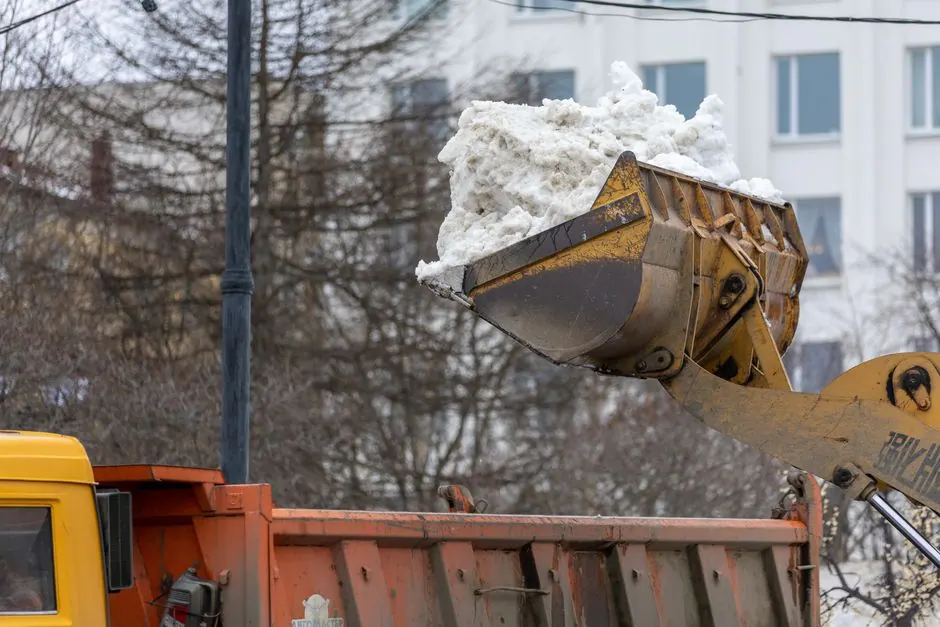
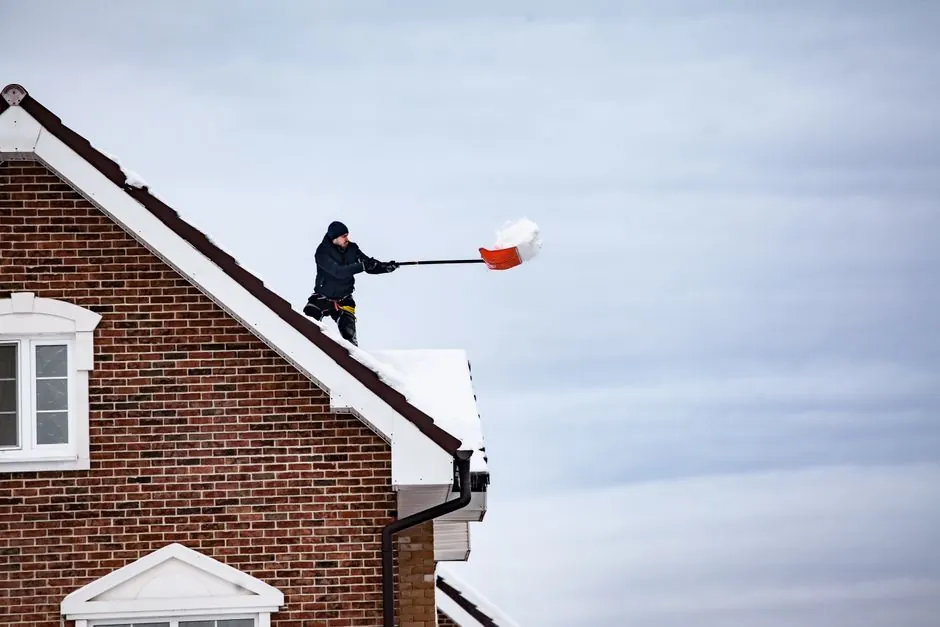
Heavy, uneven snow can add load and feed repeated melting at roof edges. We remove roof snow in a controlled manner, leaving a safe layer rather than scraping down to the roofing surface. On Little Falls homes and small commercial buildings, access and fall protection shape the setup; we assess roof geometry before moving snow.

View Details
Gutter Ice Removal

Gutter Ice Removal

Ice packed into gutters can hold meltwater against the roof edge and complicate drainage. We assess the gutter condition, clear ice carefully, and look for signs of pulling, bending, or leakage at joints. Little Falls properties with long eaves or difficult ladder access need a deliberate setup, especially when surrounding snow has refrozen.

View Details
Gutter and Downspout Clearing

Gutter and Downspout Clearing

We clear accessible gutters and downspouts when ice or debris prevents water from leaving the roof system. Frozen downspouts need more than a surface opening; our crew checks whether water can travel through the outlet and discharge safely. This work is useful after an ice dam has been removed and during a follow-up visit to restore drainage.

View Details
Ice Dam Roof Leak Repair

Ice Dam Roof Leak Repair

An ice dam roof leak can continue after the exterior ice is gone if water reached under shingles or damaged a flashing detail. We inspect the affected roof area, identify visible entry points, and outline repair needs. In Little Falls, early reporting matters: tell us whether the stain grows during a thaw or stays wet after temperatures fall.

View Details
Ice Dam Water Damage Restoration

Ice Dam Water Damage Restoration

When water has entered an attic or room, removal is only the first step. We check affected materials, map damp areas, and use moisture readings to guide drying. Water-damaged drywall and wet insulation need an appropriate plan, not guesswork. We explain what can be dried and what needs repair so you can limit further damage.

View Details
Ceiling and Wall Water Damage Repair

Ceiling and Wall Water Damage Repair

Ceiling water stains, soft drywall, or bubbling paint can point to water that moved beyond the roofline. We inspect the affected area, locate moisture, and determine whether drying or material repair is needed after the leak source is addressed. Little Falls customers get a practical sequence: stop entry, dry affected materials, then restore the interior finish.

View Details
Attic Ice Dam Damage Inspection

Attic Ice Dam Damage Inspection

An attic inspection checks for damp or compressed insulation, staining, and moisture that is not visible from the living space. We look around the roof deck and eaves, then use readings to distinguish a dry surface from hidden moisture. For Little Falls homes, this check is especially useful after repeated winter leaks or a large thaw.

View Details
Ice Dam Removal in Little Falls
Service · #1

Ice Dam Removal in Little Falls


Ice dam removal in Little Falls helps protect homes when freeze-thaw cycles leave thick ridges along roof edges. Our crews work throughout downtown, Pine Grove, and residential streets near the Mississippi River, where older houses and newer additions can have very different rooflines. We assess the buildup, choose an appropriate removal method, and clear drainage paths carefully, reducing the chance that trapped meltwater will find its way beneath shingles.

Roofline Assessment Before Removal

We inspect the roof edge, valleys, and visible drainage routes before disturbing ice. In Little Falls, older homes near the historic downtown core may have layered roofing or delicate trim that calls for extra care. This initial assessment identifies vulnerable areas and helps us plan a controlled approach, rather than striking blindly at ice and risking damage to shingles, flashing, or gutters.

Controlled Ice Clearing Methods

Our technicians remove ice in measured sections and preserve the roof surface wherever possible. During long Morrison County cold spells, compacted snow can refreeze into heavy barriers that resist ordinary hand tools. We focus on opening channels for meltwater and avoiding unnecessary force, tailoring the work to the roof pitch, material, and access conditions found at each Little Falls property.

Drainage And Property Protection

Before work begins, we consider where loosened ice and water will travel around the home. Narrow driveways and walkways in established Little Falls neighborhoods may sit directly below eaves, so we plan ground-level protection and keep access routes clear. After removal, we review remaining roof-edge conditions with the owner and note any areas that may need monitoring as temperatures fluctuate.

  • Roof-edge assessment with vulnerable shingles, flashing, and trim identified
  • Controlled removal plan tailored to roof pitch and surface
  • Ground protection arranged beneath active roof work zones
  • Post-service review of drainage channels and remaining ice

Emergency Ice Dam Removal in Little Falls


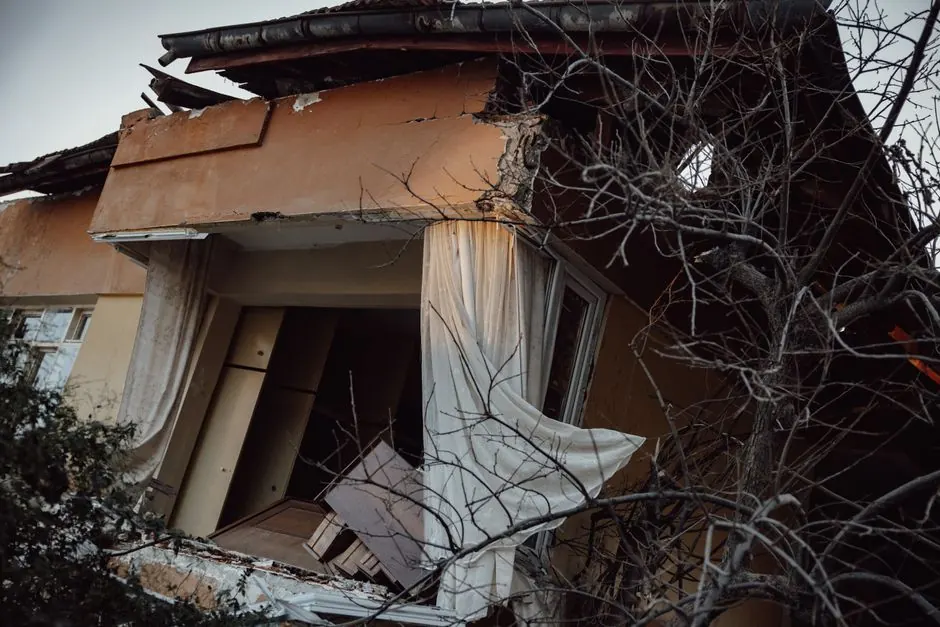
Emergency ice dam removal in Little Falls is available when water appears indoors or a roof-edge barrier threatens immediate damage. We respond to calls from homes near Lindbergh Drive, downtown, and neighborhoods across town, including properties with older ceilings and finished attic spaces. Our first priorities are understanding the leak, protecting occupants and belongings, and addressing the ice buildup that is obstructing safe drainage.

  1. 01

    Fast Leak And Roof Triage

    We begin by asking where water is appearing, when it started, and whether the leak is spreading. Snow loads and sharp temperature swings around Little Falls can make conditions change quickly, especially on shaded north-facing roof slopes. This triage helps us identify urgent access concerns and determine whether roof-edge clearing, temporary interior protection, or additional damage assessment should come first.

  2. 02

    Prioritized Ice Barrier Clearing

    Once the immediate conditions are assessed, we target the ice sections most likely to be backing water beneath the roofing. Our crew selects a suitable approach for the home's construction and the current weather, avoiding rushed impacts that can worsen roof damage. For households needing emergency ice dam removal, clear communication about the work sequence and access limits is part of the response.

  3. 03

    Interior Protection During Response

    A roof leak may affect ceilings, insulation, and furnishings before the ice can be fully addressed. We help owners in Little Falls protect affected rooms by identifying active drip areas and keeping work zones coordinated with interior needs. Following the immediate service, we explain what signs to watch for and whether a separate repair or restoration assessment may be appropriate.

  • Urgency assessment based on leak location and reported spread
  • Roof-edge ice removal focused on obstructed drainage points
  • Interior work-zone coordination around active drips and belongings
  • Clear next-step guidance after emergency service is complete
Emergency Ice Dam Removal in Little Falls

02 / 10

Service

5+ YEARS · LITTLE FALLS

Steam Ice Dam Removal in Little Falls

Steam ice dam removal in Little Falls uses carefully directed heat to release stubborn ice without relying on heavy impact. This method can suit homes in Pine Grove and older central neighborhoods where roof materials, gutters, or decorative details need thoughtful handling. Our technicians assess access and the ice formation first, then work in controlled passes to open drainage routes and limit unnecessary contact with the roof surface.

Low Impact Roofline Treatment

Steam loosens ice progressively, allowing technicians to clear a path while reducing the need for chopping or prying. That controlled approach can be valuable on Little Falls houses with aging shingles or intricate eaves. We check the roof configuration before starting and adjust the work to the slope and buildup, keeping attention on safe movement and protecting adjacent materials from avoidable stress.

Access And Equipment Planning

Each property requires a practical setup that accounts for roof height, ground access, and nearby walkways. In compact downtown lots, equipment placement may need careful coordination around garages, fences, or shared driveways. Our team establishes a work area, confirms hose routing, and identifies where meltwater can drain, so steam ice dam removal proceeds efficiently without creating unnecessary obstacles for residents.

Opening Channels For Meltwater

Rather than clearing more roof than needed, we concentrate on creating continuous outlets through the ice barrier. Little Falls winters can bring repeated snow and thaw cycles, so a small opening that drains reliably is more useful than a rough, incomplete cut. We observe how water moves during the service and explain any remaining accumulation that owners should monitor as weather changes.

  • Roof access and surface review before steam equipment setup
  • Hose routing planned to keep Little Falls walkways accessible
  • Targeted steam passes create channels through roof-edge ice
  • Drainage and remaining buildup reviewed with the property owner
Roof Snow Removal in Little Falls

Roof Snow Removal in Little Falls


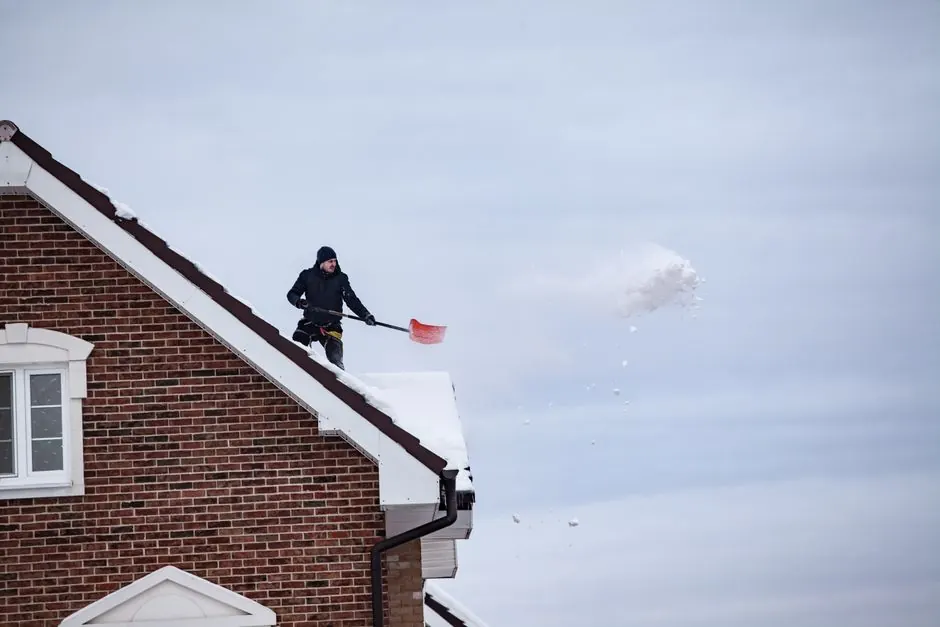
Roof snow removal in Little Falls reduces excess accumulation before repeated storms and warming periods add weight to a roof. We serve homes around Pike Creek, downtown, and residential areas near local schools, including older houses with additions and detached garages. Our team evaluates roof access and snow distribution, then removes selected areas carefully to help limit strain while avoiding damage to roofing and surrounding property.

Roof and snow distribution review before clearing begins

Promise

“Snow does not settle evenly across every roof, especially where dormers, valleys, or lower additions create pockets. We examine visible accumulation and access conditions before recommending what should be removed. In…”

— Little Falls customer
Snow Load And Roof Review +

Snow does not settle evenly across every roof, especially where dormers, valleys, or lower additions create pockets. We examine visible accumulation and access conditions before recommending what should be removed. In Little Falls, successive storms can compact snow into heavier layers, so our review considers roof shape and areas where drifts may collect rather than treating every surface the same.

Careful Clearing For Older Homes +

Older properties near central Little Falls may have roofing materials that need a gentler touch than newer construction. Our crew uses methods suited to the surface and leaves a protective layer where appropriate, avoiding scraping directly against shingles. This measured process helps reduce the risk of lifting edges or damaging flashing while addressing the snow that presents the greatest concern.

Safe Ground And Access Planning +

Before moving snow, we identify where it will fall and protect entrances, walkways, and parked vehicles. Homes with narrow side yards or attached garages can make drop zones difficult to manage, so we coordinate access with the owner. We also keep equipment movement organized, allowing roof snow removal to proceed with clear boundaries for residents and anyone using the property.

  • Roof and snow distribution review before clearing begins
  • Priority areas marked around valleys, dormers, and additions
  • Protected drop zones established near entrances and vehicles
  • Clearing progress and remaining snow explained to the owner
Gutter Ice Removal in Little Falls
Service · #5

Gutter Ice Removal in Little Falls


Gutter ice removal in Little Falls addresses frozen channels that prevent meltwater from draining away from the roof. We help homeowners in neighborhoods near Pine Grove and the Mississippi River corridor, where winter shade and freeze-thaw weather can leave gutters packed with ice. Our technicians inspect the gutter condition and roof edge, then select a careful clearing approach that considers the system's material, mounting, and nearby landscaping.

Inspecting Frozen Gutter Systems

Before loosening ice, we check for sagging sections, separated brackets, and visible signs of stress. Older homes in Little Falls may have metal gutters attached to fascia that has already endured many winters. Understanding the system's condition helps us choose how much ice can be safely addressed and whether any portion should be left undisturbed pending a separate repair.

Restoring Open Water Paths

We focus on clearing practical drainage routes rather than forcing every frozen section free. Repeated subzero nights can lock water in place along shaded eaves, particularly on north-facing sides of Little Falls homes. Where conditions allow, our crew opens key sections and checks that meltwater has a path toward the downspout, helping prevent standing water from worsening the blockage.

Protecting Fascia And Surroundings

Gutter ice can be bonded tightly enough that aggressive removal may pull at hangers or damage fascia. We work with controlled pressure and stay alert to landscaping, patios, and walkways below the eaves. In established Little Falls yards, careful placement of work areas matters as much as the clearing itself, so we explain any limitations and report visible concerns to the owner.

  • Frozen gutter inspection for sagging, loose brackets, and stress
  • Targeted ice clearing to reopen practical water pathways
  • Fascia and nearby landscaping protected during service
  • Visible gutter concerns documented for homeowner follow-up

Gutter and Downspout Clearing in Little Falls


Gutter and downspout clearing in Little Falls helps move roof runoff away from foundations when winter debris or ice blocks the system. Our service reaches homes in established neighborhoods and newer developments alike, where trees, roof additions, and varying gutter layouts create different drainage needs. We inspect the full route from eaves to discharge point, clear accessible obstructions, and confirm that water can move away from the building.

  1. 01

    Tracing The Full Drainage Route

    A clear gutter is only useful if the downspout and outlet can carry water onward. We follow the system from the roof edge toward its discharge location, checking for visible clogs, frozen sections, or disconnected joints. Around tree-lined Little Falls properties, leaves and roof granules can combine with packed snow, so tracing the entire route helps reveal overlooked restrictions.

  2. 02

    Clearing Seasonal Blockages Safely

    We remove accessible debris and address suitable obstructions without forcing fragile fittings or frozen components. Homes near the Mississippi River corridor may experience shaded conditions that prolong ice in lower downspout bends. Our technicians adapt the work to the system's condition, preserving attachments and noting any area where a blockage cannot be safely cleared during the visit.

  3. 03

    Checking Discharge Away From Foundations

    After clearing, we check that water has a reasonable route away from the home's base and does not immediately spill beside the foundation. Little Falls properties can have sloped yards, patios, or compact side passages that affect discharge direction. We point out concerns such as a short extension or poor outlet placement, giving owners practical information for maintaining drainage through the season.

  • Gutter-to-outlet inspection with blockages and loose joints noted
  • Accessible debris removed from gutters and downspout openings
  • Water discharge direction checked around foundation and walkways
  • Drainage concerns summarized for the Little Falls homeowner
Gutter and Downspout Clearing in Little Falls

06 / 10

Service

5+ YEARS · LITTLE FALLS

Ice Dam Roof Leak Repair in Little Falls

Ice dam roof leak repair in Little Falls begins by locating where water entered and what roofing details may have failed. We assist homeowners across town, from older downtown houses to properties near Pike Creek, where roof additions and varied attic layouts can complicate leak paths. Our assessment connects visible interior staining with roof-edge conditions, then identifies repair needs and immediate steps to limit further water exposure.

Finding The Leak Entry Point

Water may travel along framing before it appears on a ceiling, so the visible stain is not always directly below the opening. We inspect accessible roof areas, flashing, valleys, and attic surfaces to trace likely entry points. Little Falls homes with multiple roof sections may have junctions where ice backup exposes weak seals, making careful diagnosis essential before repair work begins.

Repairing Roof Details Carefully

Once the affected area is identified, we outline repair options suited to the roofing material and damage. Ice dam roof leak repair may involve addressing lifted shingles, compromised flashing, or another vulnerable transition, depending on findings. In older Little Falls properties, matching existing materials and respecting previous repairs can be important to achieving a durable fix without disturbing sound sections.

Reducing Further Interior Exposure

While roof repairs are planned, we help owners understand how to limit additional water contact inside the home. We note active drips, saturated surfaces, and areas that may need protection or drying attention. During winter in Morrison County, conditions can constrain exterior work, so we communicate what can be addressed promptly and what may require a follow-up once access is safer.

  • Leak-path assessment connecting interior stains with roof details
  • Roofing and flashing concerns identified for repair planning
  • Affected interior areas documented for temporary protection
  • Repair scope and winter access limitations clearly reviewed
Ice Dam Water Damage Restoration in Little Falls

Ice Dam Water Damage Restoration in Little Falls


Ice dam water damage restoration in Little Falls addresses moisture that has reached ceilings, walls, insulation, or flooring after a roof backup. We help residents in downtown homes and family neighborhoods where finished upper floors can hide water behind surfaces. Our team reviews the affected rooms, documents visible conditions, and plans appropriate drying and repair steps while coordinating with roof work when the source still needs attention.

Room-by-room record of visible water damage and affected materials

Promise

“Water can spread beyond the first visible stain, following ceiling cavities or wall framing into adjacent spaces. We assess the apparent extent of damage and record affected materials so restoration decisions are base…”

— Little Falls customer
Mapping Moisture Affected Rooms +

Water can spread beyond the first visible stain, following ceiling cavities or wall framing into adjacent spaces. We assess the apparent extent of damage and record affected materials so restoration decisions are based on more than surface appearance. In Little Falls homes with plaster ceilings or remodeled upper floors, understanding the construction helps determine where moisture may be concealed.

Drying Materials And Contents +

Prompt drying can help limit continued deterioration after the water source is controlled. We identify wet materials and discuss suitable drying priorities for the affected rooms, including furnishings and stored belongings where relevant. Ice dam water damage restoration in Little Falls must account for winter indoor conditions, so we tailor recommendations to the home's layout and the materials involved.

Coordinating Restoration Steps +

Restoration works best when the roof leak, affected building materials, and any needed repairs are considered together. We explain the sequence between source correction, moisture management, and rebuilding, helping owners understand what happens next. For homes in Little Falls with occupied living spaces below an attic, we also coordinate access and work areas to reduce disruption during the recovery process.

  • Room-by-room record of visible water damage and affected materials
  • Moisture concerns prioritized for drying and follow-up
  • Restoration sequence coordinated with roof source correction
  • Owner receives clear documentation of recommended next steps
Ceiling and Wall Water Damage Repair in Little Falls
Service · #9

Ceiling and Wall Water Damage Repair in Little Falls


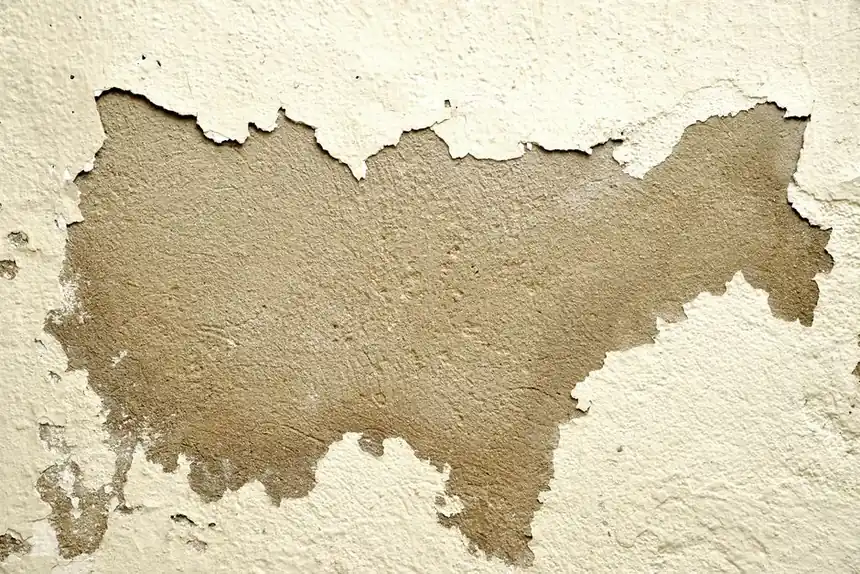
Ceiling and wall water damage repair in Little Falls restores interior surfaces after ice-related leaks have been controlled. Our crews serve homes near downtown, Pine Grove, and residential areas beyond the central grid, where older plaster and newer drywall may appear in the same house. We assess staining, softness, and damaged finishes first, then plan repairs that address affected sections while fitting the existing room and surface.

Assessing Damaged Interior Surfaces

We examine ceilings and walls for discoloration, bubbling, loose texture, and other signs that water has weakened the finish. Some Little Falls homes retain plaster beneath later renovations, requiring a different repair approach than standard drywall. We also consider whether moisture remains and whether the original leak has been corrected before recommending patching, refinishing, or replacement of damaged material.

Repairing Plaster And Drywall

After affected areas are ready for repair, we select materials and techniques that suit the existing construction. Matching texture and finish is particularly important in older Little Falls interiors, where walls may have distinctive plaster surfaces or several paint layers. Our work focuses on restoring damaged sections cleanly and preparing them for a consistent finish, while keeping sound surrounding areas intact.

Finishing Rooms For Everyday Use

Interior repairs should leave rooms ready for normal use, not simply cover a water mark. We review edges, seams, and surface transitions after patching, and explain any remaining finishing steps such as painting. In occupied Little Falls homes, we coordinate work around rooms and household routines, keeping the repair area orderly as ceilings and walls return to serviceable condition.

  • Ceiling and wall condition review before finish removal
  • Repair plan tailored to plaster or drywall construction
  • Damaged sections patched and prepared for matching finish
  • Room repair progress and remaining paint needs reviewed

Attic Ice Dam Damage Inspection in Little Falls


Attic ice dam damage inspection in Little Falls can reveal moisture and roof concerns that are not visible from the living space. We examine accessible attic areas in homes near the Mississippi River and throughout town, including older houses with additions and compact roof cavities. The inspection looks for water marks, damp insulation, and affected framing, giving owners a clearer picture of whether an ice backup has left hidden damage.

  1. 01

    Checking Attic Signs Of Leakage

    We look for staining on roof sheathing, damp wood, and trails that may indicate water entered near an eave or roof junction. In Little Falls, snow accumulation and freeze-thaw cycles can create leaks that become less obvious once conditions change. A careful attic review helps distinguish old discoloration from signs of recent moisture and guides decisions about further evaluation.

  2. 02

    Reviewing Insulation And Ventilation

    Insulation and ventilation conditions can affect how an attic responds to winter weather and can also be altered by a leak. We note compressed or damp insulation, blocked airflow paths, and visible ventilation concerns without assuming a single cause. During an attic ice dam damage inspection, these observations help Little Falls homeowners understand what may need attention alongside any roof repair.

  3. 03

    Documenting Findings For Owners

    After examining accessible areas, we explain what was observed and where conditions deserve follow-up. Many Little Falls homes have tight attic access or additions that limit visibility, so we clearly distinguish inspected spaces from areas that could not be reached. This documentation gives owners a useful reference when coordinating roof repairs, drying work, or future improvements.

  • Accessible attic surfaces checked for stains and damp framing
  • Insulation condition and visible airflow paths reviewed
  • Inspection limitations and concealed areas clearly identified
  • Written findings support repair and restoration planning
Attic Ice Dam Damage Inspection in Little Falls

10 / 10

Service

Residential Ice dam removal

Residential ice dam removal in Little Falls

Little Falls homes range from older houses near central streets to newer properties with different roof pitches, additions, and drainage layouts. When snow melts and refreezes at the eaves, a ceiling stain or frozen gutter can quickly disrupt a household. We inspect the roof edge, check where runoff is blocked, and choose a removal method that suits the roofing. If water has entered, we can assess the attic and affected room after addressing the exterior obstruction. Tell us whether the home has an active drip, how many roof sides are affected, and whether the driveway is clear for equipment. That gives us a useful starting point before arrival.

  • Home roof-edge ice clearing — We clear the ice restricting drainage at your Little Falls home, using an approach suited to the roof surface and access. The crew checks the affected eave and nearby gutter rather than removing ice blindly across the roof. If you have an active leak, we prioritize the water path and explain the next step.
  • Attic moisture and insulation checks — After a winter leak, we inspect accessible attic areas for damp or compressed insulation, staining, and moisture around the eaves. In Little Falls, repeated thaw cycles can leave hidden moisture after a ceiling drip stops. We use observations and readings to help determine whether drying or material repair is needed.
  • Gutter and downspout clearing — A blocked outlet can keep water from draining after the ice ridge is opened. We check the gutter and downspout path at your Little Falls property and clear accessible ice carefully. If a section appears loose or damaged, we identify the concern so it is not mistaken for a simple blockage.
  • Ceiling leak damage response — If water has stained or softened drywall, we first address the roof source and then inspect the affected interior area. Our Little Falls service can include moisture checks and guidance on drying before repair. That order helps prevent a fresh finish from covering material that is still wet.
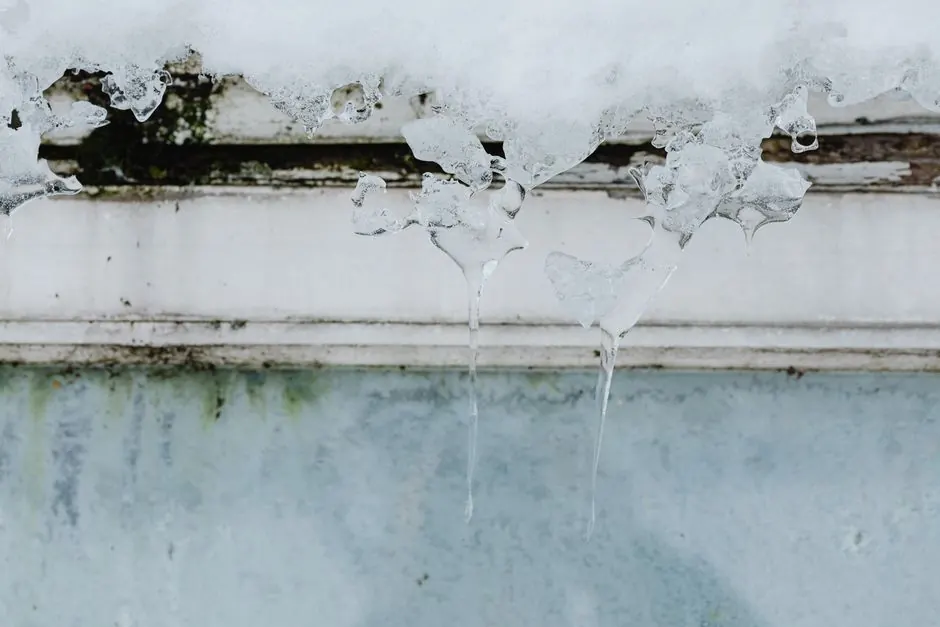
Commercial Ice dam removal

Commercial ice dam removal in Little Falls

Little Falls commercial properties include downtown storefronts, offices, service businesses, and larger buildings along established routes. Ice buildup above an entrance, loading area, or customer walkway creates both a drainage concern and a site-access issue. We coordinate the work zone with the property contact, assess the roof edge, and plan equipment staging around the building's operations. If you are asking how to prevent ice dams on a commercial roof, start with an inspection of drainage, roof transitions, and reported leak locations rather than relying on surface snow removal alone. We can address the ice and document visible concerns that need follow-up.

Retail storefrontsProfessional officesHospitality businessesHealthcare facilitiesLight industrial buildings

Common Little Falls roof-ice problems

Little Falls shares central Minnesota's winter pattern of snow accumulation, intermittent melting, and refreezing. That cycle can create ice dams at cold eaves, especially where indoor heat escapes unevenly or roof drainage is restricted. The area's varied building stock means roof pitch, insulation, underlayment, and gutter condition differ from property to property. We do not assume a single cause from the address; we inspect the roof edge and symptoms. Steam ice dam removal can address the obstruction, while roof and interior checks help identify what else needs attention.

Ice dams forming above clogged or frozen gutters

Snowmelt reaches the colder eaves and refreezes, while a blocked gutter or downspout limits drainage. In a Little Falls winter, another thaw can send water against the ridge before the previous ice has cleared. The result can be overflow, frozen runoff, or water backing under roof shingles.

Roof leaks appearing during daytime warming periods

A daytime thaw can release water that has been trapped behind an ice ridge. If roofing details or flashing allow entry, the leak may show indoors before any exterior defect is obvious. The stain can grow during warm hours and appear dry again after a nighttime freeze.

Attic insulation becoming wet near exterior eaves

Water entering at a roof edge can soak insulation before it reaches a ceiling. Older or settled insulation may also leave uneven coverage, but we verify conditions rather than guessing. Repeated freeze-thaw episodes can leave moisture hidden in the eave area after the surface leak stops.

Ice buildup returning after a partial roof clearing

A narrow opening can close again if meltwater continues moving toward a cold eave and refreezes. Snow remaining above the roof edge can supply more water during a later warm period. Little Falls weather can shift quickly, so the pattern depends on conditions after the first clearing.

When to call for Little Falls roof ice

Call when ice at the eaves is blocking runoff, when a ceiling stain appears during a thaw, or when water is dripping inside. Little Falls freeze-thaw cycles can turn a small ridge into a repeated leak as meltwater collects behind it. If you are wondering how to stop an ice dam leak from inside, a bucket protects the floor but does not clear the roof obstruction. Tell us what you can see from the ground and whether the stain is growing; we will focus on the cause and the affected materials.

  • Water dripping from a ceiling seam

    A drip near an exterior wall or roof slope can mean water has moved beneath the roofing and into the ceiling assembly. Place a container below it and move belongings, then call for an assessment. Active water entry needs attention promptly, even if the visible drip slows when temperatures fall.

  • A brown stain expands after a thaw

    A stain that grows after snow begins melting suggests water is reaching the ceiling or wall cavity. The source may be hidden above the finished surface, so repainting will not solve it. Tell us when the mark changes and whether it is close to an outside wall.

  • A thick ridge blocks the eaves

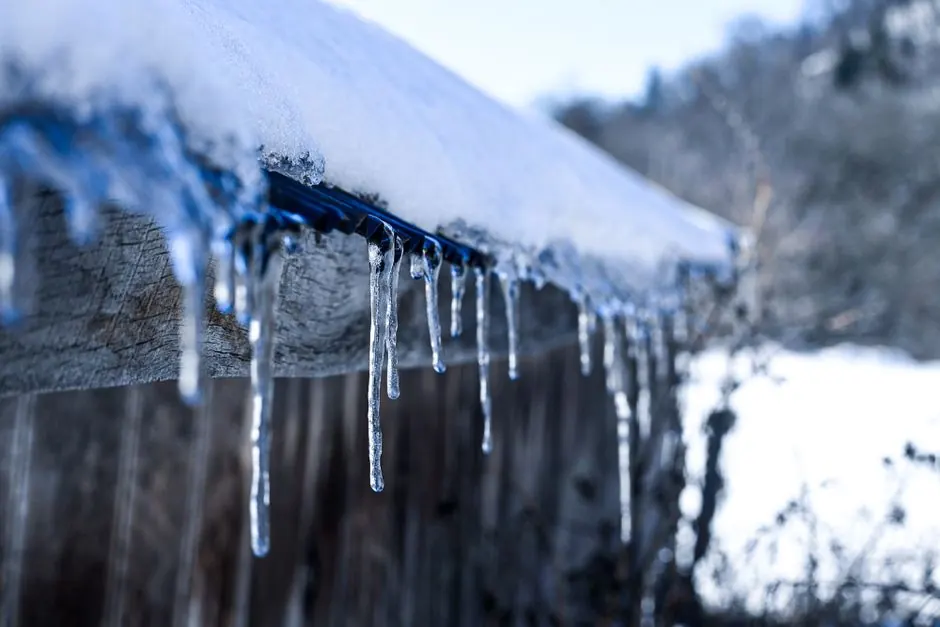
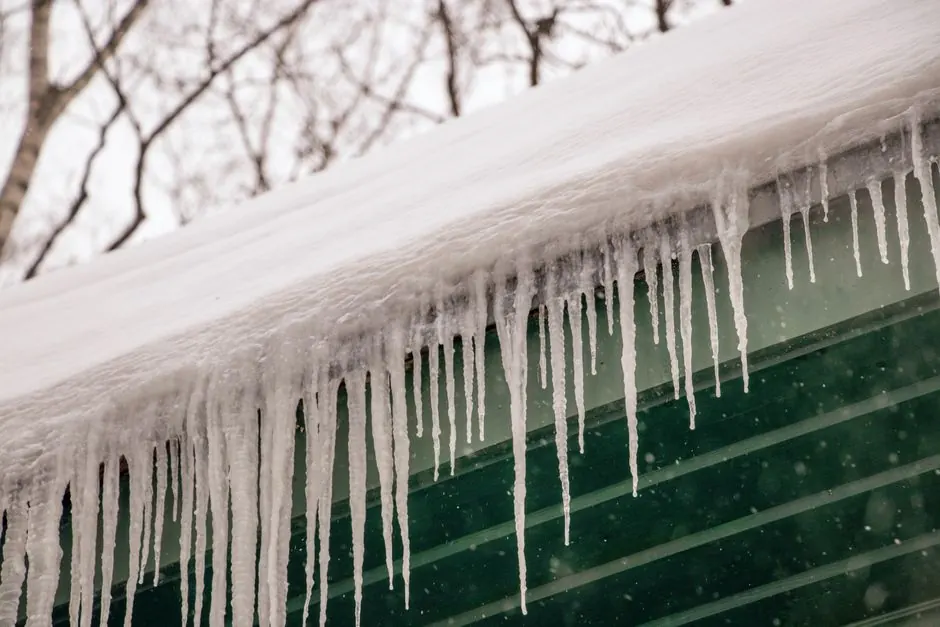
    A solid band of ice along the roof edge can hold meltwater above the gutter line. Do not chip it with a hammer or pry bar; that can damage shingles, flashing, and gutters. A professional can assess the ice depth and open a controlled drainage path.

  • Gutters or downspouts remain frozen

    Frozen drainage components can prevent water from leaving the roof and may pull on gutter fasteners as ice accumulates. If water spills over the edge during a thaw, note where it runs and whether the downspout is fully blocked. Avoid pouring hot water from a ladder.

  • Damp insulation or musty attic areas

    Wet or compressed attic insulation can hold moisture after the visible leak stops. Look for dampness only from a safe, accessible area; do not step on ceiling drywall or move around an unfinished attic without secure footing. An inspection can identify hidden moisture and guide drying.

Little Falls landmarks and access

Our crew uses familiar Little Falls landmarks to orient routes, then navigates to the service address rather than treating a landmark as a work site. The Mississippi River and established central destinations help distinguish areas of town when roads are covered or driveways are difficult to see. For a winter call, clear address details and a description of the safest parking approach are more useful than a general location. We confirm the property entrance and work-zone access with you.

Charles A. Lindbergh Historic Site

The historic site is a recognizable Little Falls destination and an orientation point in the city. It can help clarify which side of the central area a customer means when describing a nearby street, but it does not define the service location.

Minnesota Fishing Museum

The Minnesota Fishing Museum is a named Little Falls attraction that can help distinguish central-area directions during a call. We still use the customer's street address for routing and do not infer a roof condition from proximity.

Mississippi River

The Mississippi River is a major geographic feature through Little Falls and a clear regional orientation reference. A river-side description helps locate an area, while the exact address determines route, roof access, and equipment staging.

Coverage across Little Falls & Morrison County

56345

Plus surrounding Morrison County neighborhoods, with same-day routing on most appointments.

Little Falls roof ice through the seasons

As October turns toward winter in Little Falls, the useful work is prevention and access planning: check gutters, note roof drainage issues, and address attic conditions before snow arrives. Winter brings the highest risk of ice dams as snow melts and refreezes at eaves. Spring can expose leaks and wet insulation that were hidden under snow, while summer is a better time for roof and attic repairs. If you want to know when to schedule ice dam removal, call as soon as ice is blocking drainage or water is entering; waiting for a warmer day can extend the damage.

Spring

In Little Falls, spring thaw can reveal ceiling stains, damp attic insulation, and roof-edge damage left by winter ice. Repeated warm days and cold nights can also renew runoff and refreezing before the roof is fully clear. Check rooms below exterior roof slopes after each significant thaw.

Tip: Tell us where stains appeared and whether they are still damp. We can inspect the roof edge and affected attic area, then help you distinguish a resolved leak from moisture that still needs drying.

Summer

Summer offers a better window to inspect roof flashing, gutters, attic insulation, and ventilation-related conditions without snow limiting access. Any drywall damage from the previous winter is easier to assess when the source has been corrected. Summer is also a practical time to plan repairs before the next heating season.

Tip: Arrange an attic and roof check if winter leaks left unexplained stains or compressed insulation. Repairing damaged materials before fall helps you start the next cold season with a known roof condition.

Fall

October and the weeks ahead are the time to clear leaves from gutters, check downspout flow, and review roof access before snow arrives. Little Falls properties with several roof planes or long eaves benefit from identifying drainage restrictions early. The first snowfall can hide a gutter problem until a thaw.

Tip: Walk the ground-level perimeter and note sagging gutters, loose flashing, or previous leak locations. Do not climb onto the roof; share those observations with us so the inspection can focus on known trouble spots.

Winter

Winter is the peak season for ice dam calls in Little Falls. Snow melts during warmer periods, runs toward cold eaves, and refreezes into ridges that block drainage. Roof snow, frozen downspouts, and an active interior drip all affect the urgency and the work setup.

Tip: Call promptly if water is entering or a ridge blocks the roof edge. Keep people away from falling ice zones and do not chip at shingles; tell us the roof side and interior symptoms.

Little Falls ice dam removal FAQs

Real answers from our team for the questions we hear most often before a job starts.

How much does ice dam removal cost in Little Falls?
The cost depends on roof height, ice length and thickness, access, and whether water damage needs inspection. A short, accessible roof-edge clearing is less involved than a multi-level roof with blocked gutters and an active leak. We provide upfront pricing before work starts. Tell us how much of the eave is iced over and whether water is entering so we can understand the job.
How long does ice dam removal take in Little Falls?
A focused roof-edge clearing often takes about 1 to 3 hours, while larger roofs or blocked drainage can take longer. The time depends on safe access, the length of the ridge, and whether the crew must inspect an active leak. We assess the roof before starting and explain the work sequence. Do not climb up to measure the ice yourself.
Do you offer emergency ice dam removal in Little Falls?
Yes, we take emergency calls when ice dams are blocking drainage or water is entering a home or business. Call +16125550100 and tell us whether the leak is active, which rooms are affected, and where the roof ice is located. We use those details to understand urgency and plan the right response. Keep people clear of falling ice and avoid roof access.
Is steam ice dam removal safe for roof shingles?
Controlled low-pressure steam is designed to loosen ice without striking shingles with a hammer or pick. The method still needs to match the roof material, ice condition, and access, so we inspect before beginning. Our crew uses a low-pressure steam generator with a commercial steam hose and nozzle. Tell us if you know the roof age or have seen loose shingles.
What should I do if an ice dam is leaking into my ceiling?
Move belongings, place a container under the drip, and call for service if water is actively entering. Do not puncture a bulging ceiling or climb onto an icy roof. Tell us which room is affected, when the leak began, and whether the stain is growing. We address the roof obstruction first, then assess whether attic insulation or drywall needs moisture checks.

Call for ice dam removal in Little Falls

If ice is blocking your roof edge or water is entering a Little Falls property, call Minnesota Ice Dam Pros at +16125550100. Our team takes emergency calls and will ask where the ice is, whether a leak is active, and how the roof can be accessed. Describe the symptoms from inside and outside; we will help you identify the next service step and provide upfront pricing before work begins.

Call Now Send a Message

Contact Minnesota Ice Dam Pros

Call +1 612-555-0100 for ice dam removal or frozen pipe help across Minnesota. We take urgent calls around the clock and respond with practical questions about the leak, roof access, or water service so we can direct the right crew. Share your community and what you see; we will explain the next step and pricing before work starts.

Or call us right now at +16125550100 — we answer.

Minnesota Ice Dam Pros


  • Phone

    +16125550100
  • Address

    Minnesota

  • Hours

    Mon–Fri: 7AM – 7PM
    Sat: 8AM – 4PM
    Sun: Emergency Only
    24/7 Emergency Available

Call +16125550100 Get Quote
Call Quote