

Residential ice dam removal in Maple Lake
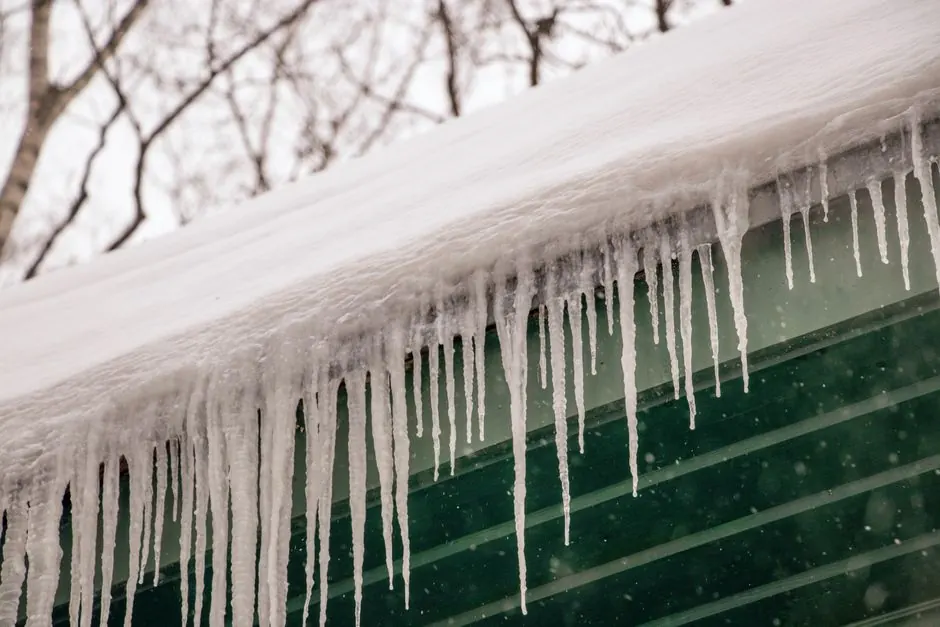
Maple Lake homes range from compact town properties to rural houses with attached garages, porches, and multiple roof pitches. Those layouts change where snow collects and how safely a crew can reach the eaves. When you see a stain after a thaw, we focus first on stopping water entry, then check whether the attic or ceiling has taken on moisture. Families also need clear access to doors, driveways, and walkways while roof work is underway. We set a ground-level work zone and explain where falling ice could land. Steam ice dam removal is one option for dense eave ice, while roof snow removal or gutter clearing may be needed to restore drainage. We keep the visit focused on your home's actual roof conditions and tell you what the next repair step is if the leak has already reached finished rooms.
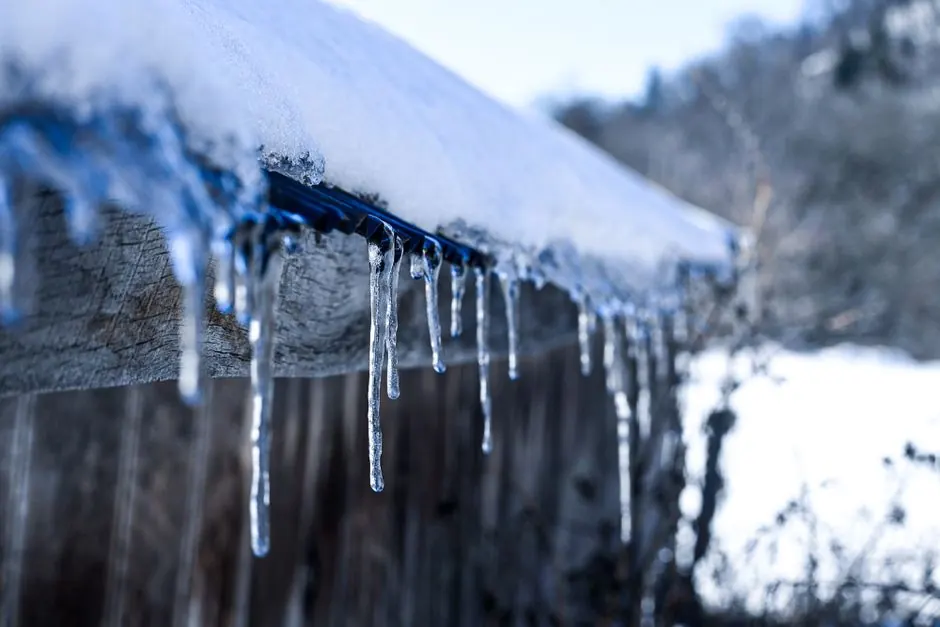
- Careful roof-edge ice clearing — We assess the roof edge, ice ridge, and gutter before opening a drainage path on your Maple Lake home. Controlled steam avoids the impact of striking the roof surface. We also keep people away from the drop zone and explain which doors or walkways should stay clear while work is underway.
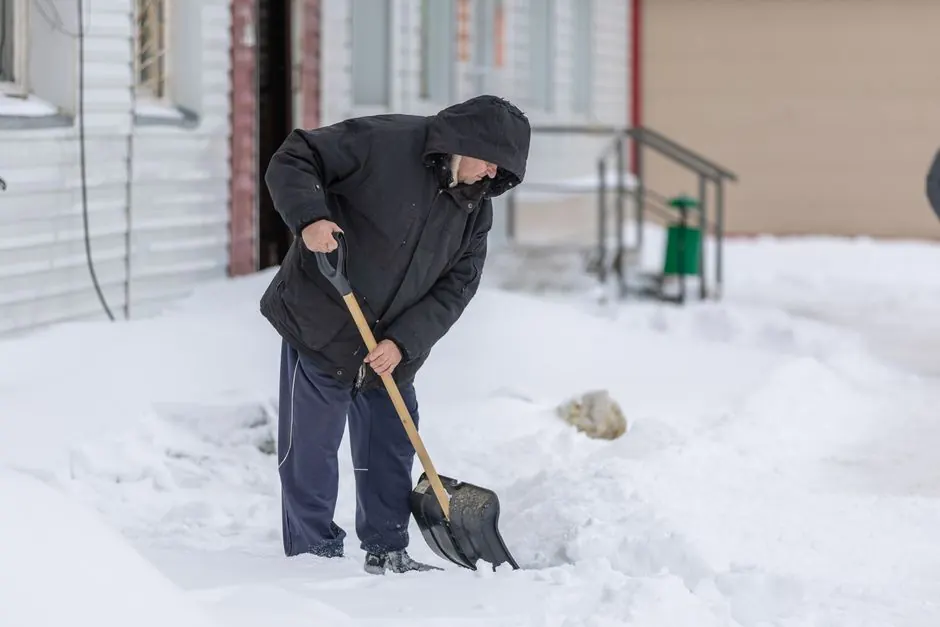
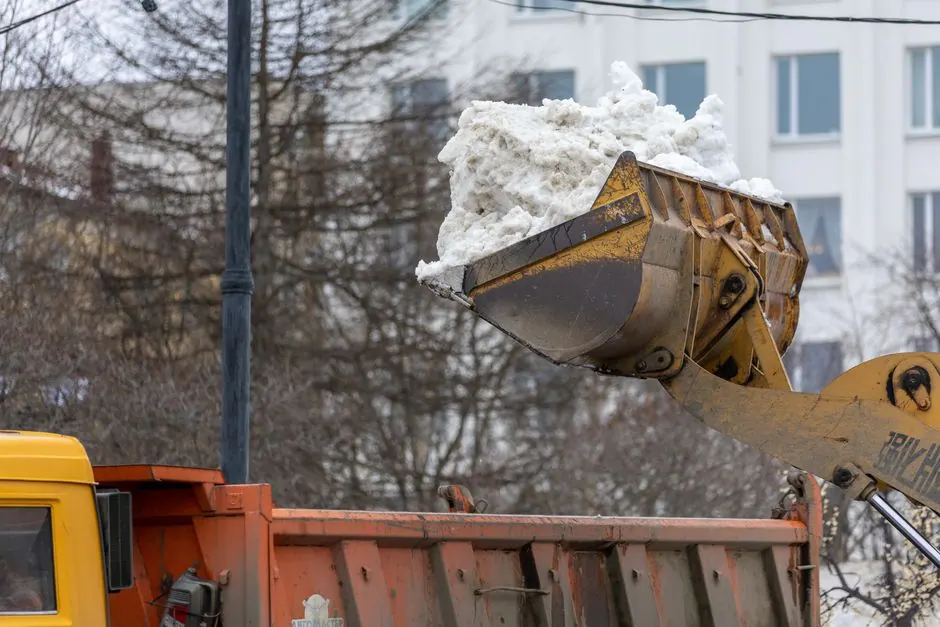
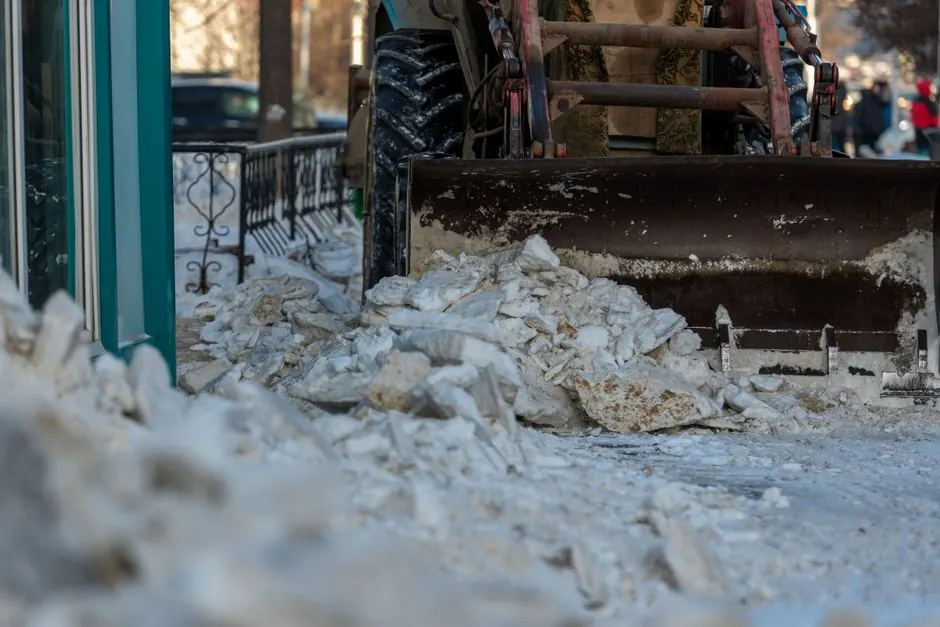
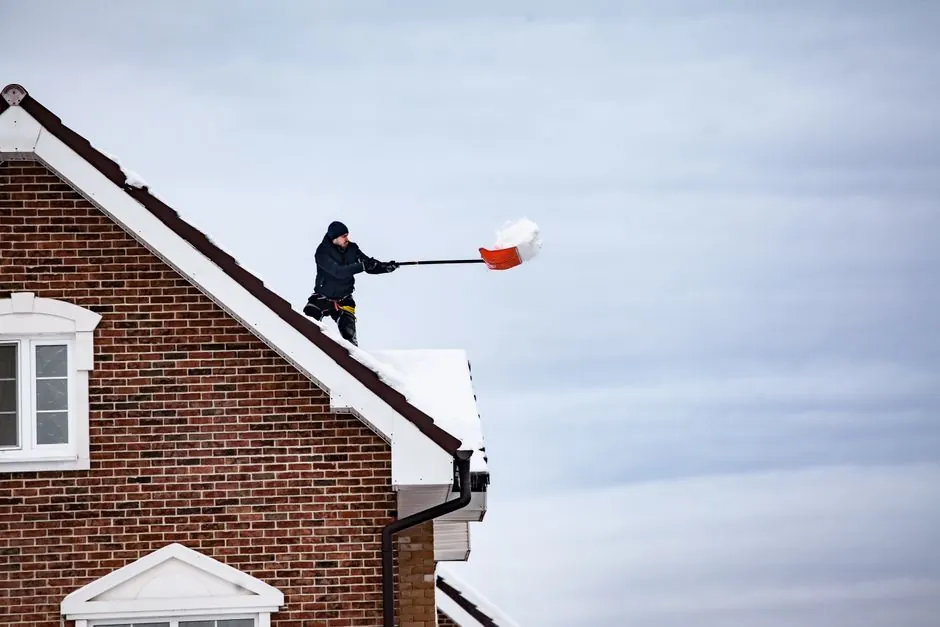
- Snow removal at problem eaves — When snow continues to feed a roof-edge blockage, we remove accessible snow in a measured sequence. For Maple Lake homes with garages or additions, each roof section is checked separately. We avoid uneven clearing and use a safe ground-based approach whenever the roof layout permits.
- Attic moisture and insulation checks — After a leak, we inspect accessible attic areas for damp or compressed insulation and signs of water tracking. In your Maple Lake home, a ceiling mark may sit below a different entry point. We use moisture readings when needed and explain whether drying or material repair should follow.
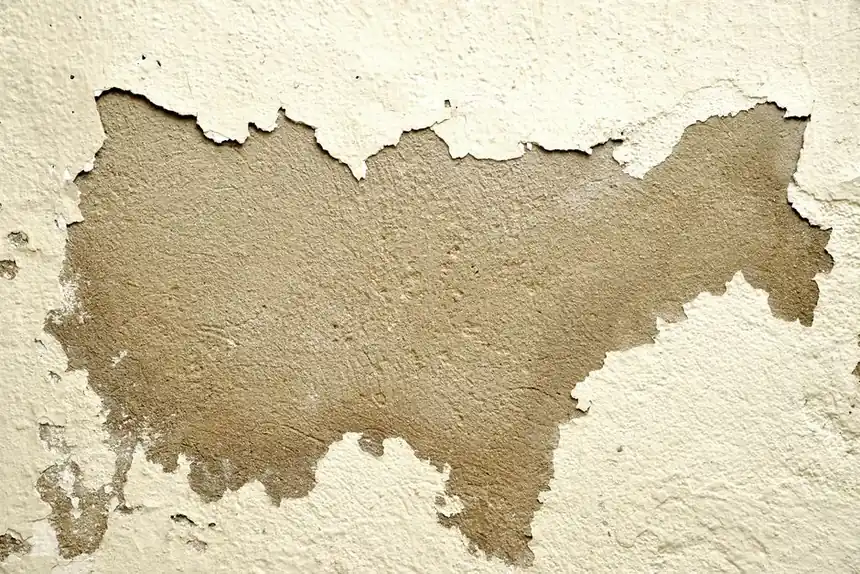
- Ceiling and wall repair coordination — Once the source is controlled and affected materials are dry, we address water-damaged drywall and staining. We do not cover an active wet area with a finish repair. For Maple Lake homeowners, that sequence helps prevent fresh damage from being hidden behind new paint or patching.