Residential ice dam removal in Park Rapids
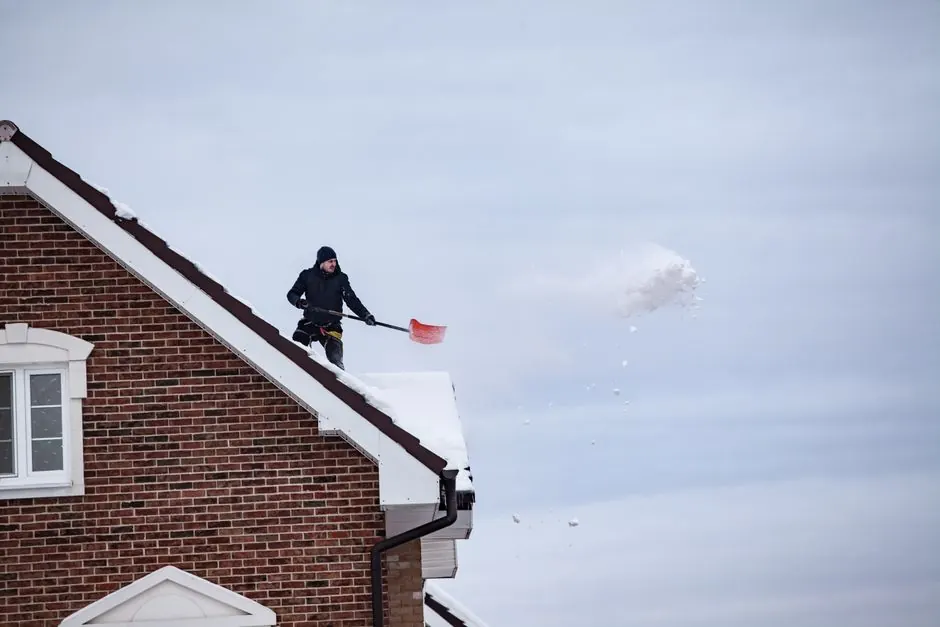
Park Rapids homes range from year-round houses near the city center to seasonal cabins and detached garages on larger properties. Each roof has its own pitch, gutter layout, and access limits, so we check the specific eave where water is backing up. If you notice a ceiling stain during a thaw, we address the roof obstruction and look for moisture in the attic or finished room. For families, the immediate priorities are stopping active water, keeping people clear of falling ice, and protecting furnishings. Our residential service includes steam removal, roof snow work, gutter clearing, and follow-up inspection when water has entered. We can coordinate with an owner or local contact when a seasonal property is closed.
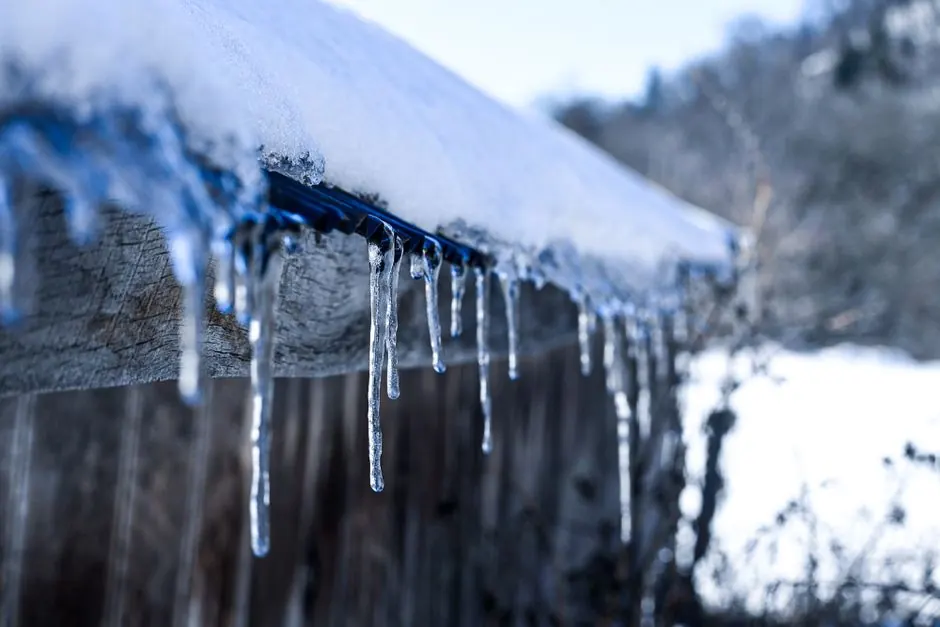
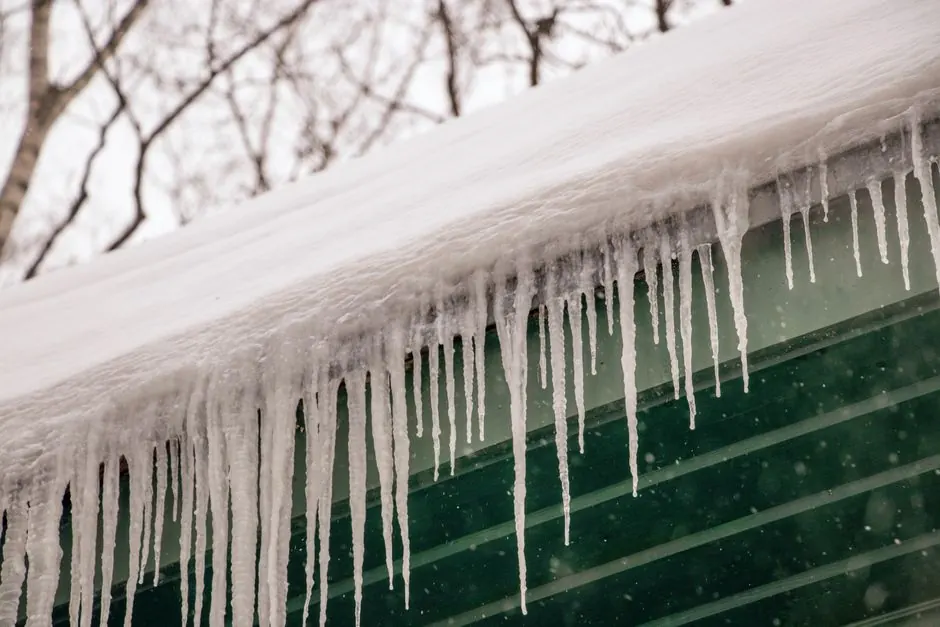
- Home roof-edge steam clearing — We open a drainage channel through ice at Park Rapids homes using controlled steam rather than striking the roof. Before work, we identify the eave, nearby doors, and the area below where ice could fall. We then check whether meltwater can move through the gutter or needs a clear route to ground.
- Attic moisture inspection — A roof leak can leave damp insulation or framing even after the ceiling drip stops. We inspect accessible attic areas in Park Rapids homes and use moisture readings to distinguish dry material from areas that need drying. That helps you avoid closing a wet ceiling before the source and moisture are addressed.
- Gutter and downspout opening — Frozen outlets can keep roof runoff trapped at the eaves. We clear accessible gutter and downspout blockages, check visible connections, and look at where water will discharge. For Park Rapids homes, we also consider whether the outlet could refreeze across a walkway or beside an entry.
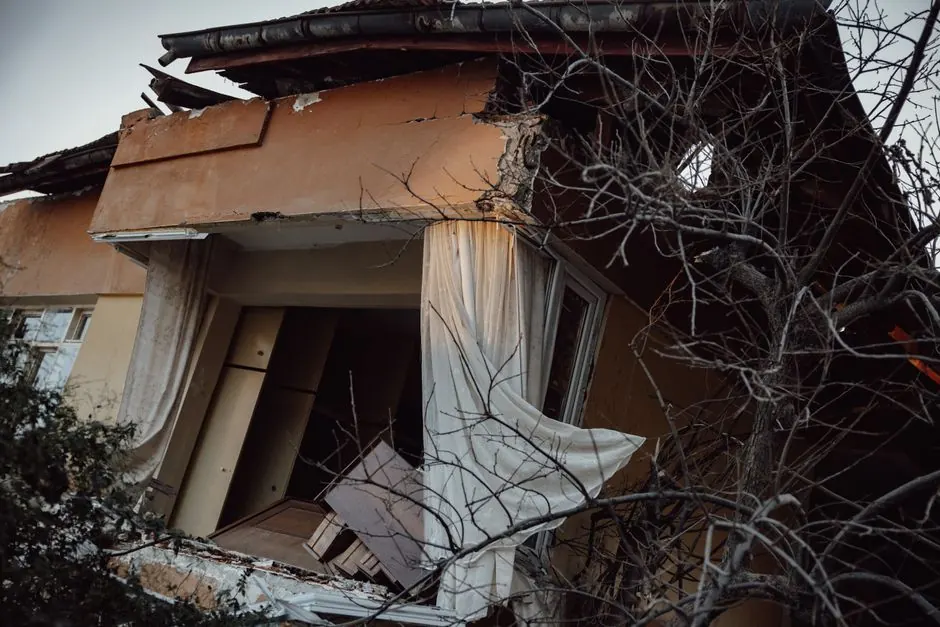
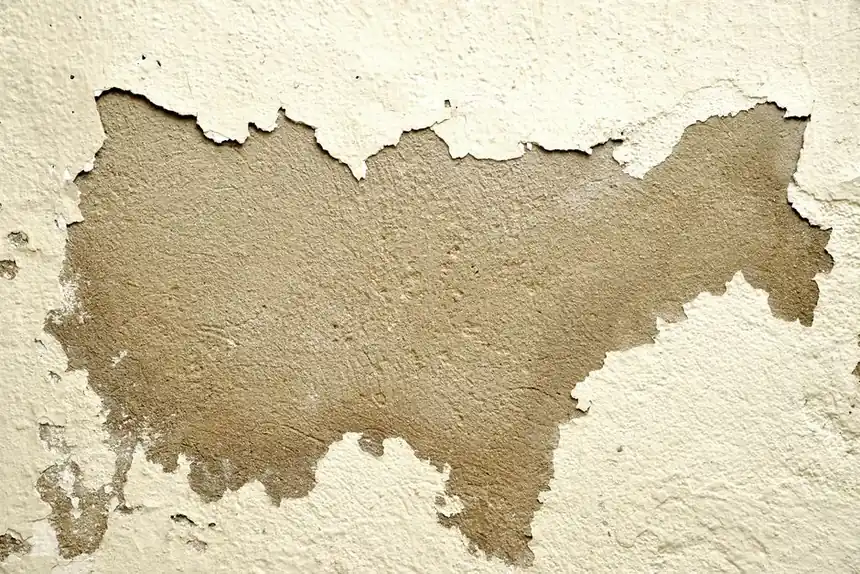
- Interior leak damage response — We assess visible ceiling stains and wet drywall after ice dam water enters a home. Our team checks the surrounding area for hidden moisture and explains what needs drying before repair. If the leak is active, we prioritize the exterior blockage first and then follow the water path indoors.