

Residential ice dam service near campus
Homes in the Saint John's University service area range from campus-adjacent residences to properties in the surrounding Collegeville community. Roof height, pitch, gutter layout, and access vary, so the same snowstorm can produce very different ice problems. A family may first notice a stain over a bedroom, a frozen gutter above a front step, or water appearing only during afternoon thaw. We assess the roof edge and reported room together, remove ice with a controlled method, and identify wet insulation or drywall that needs attention. If your home has had recurring leaks, we also look for drainage and attic conditions that should be addressed before the next winter.
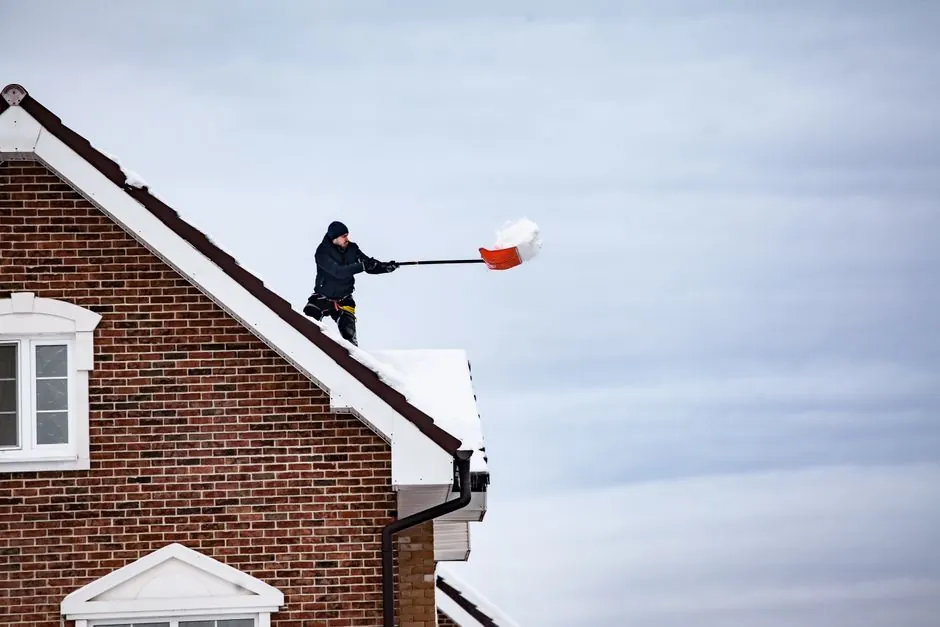
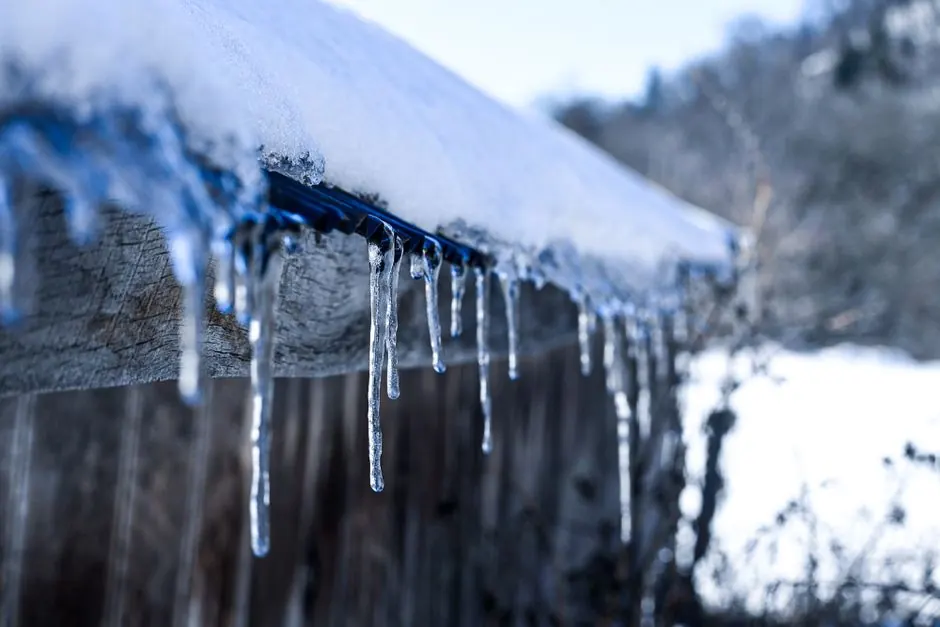
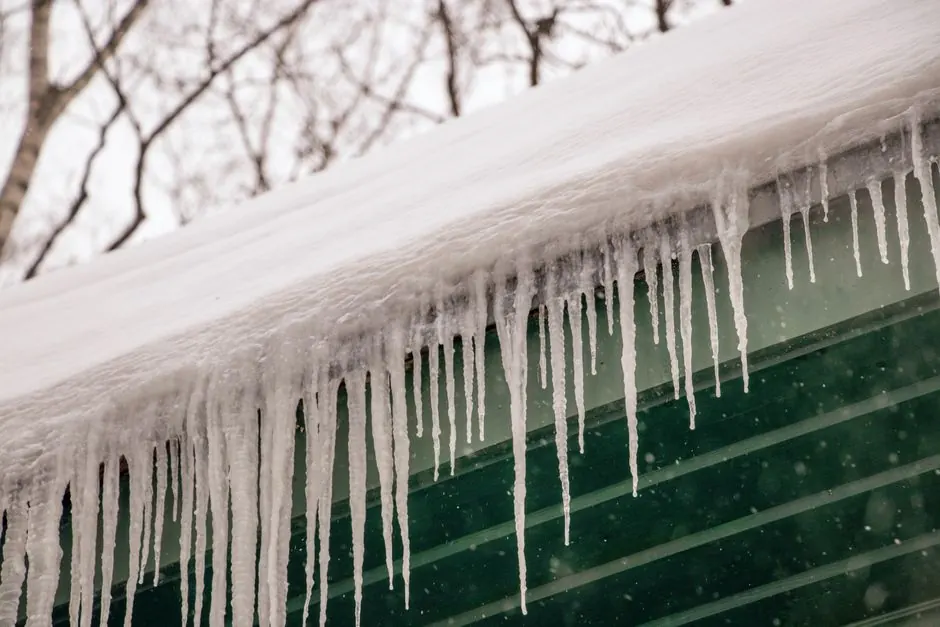
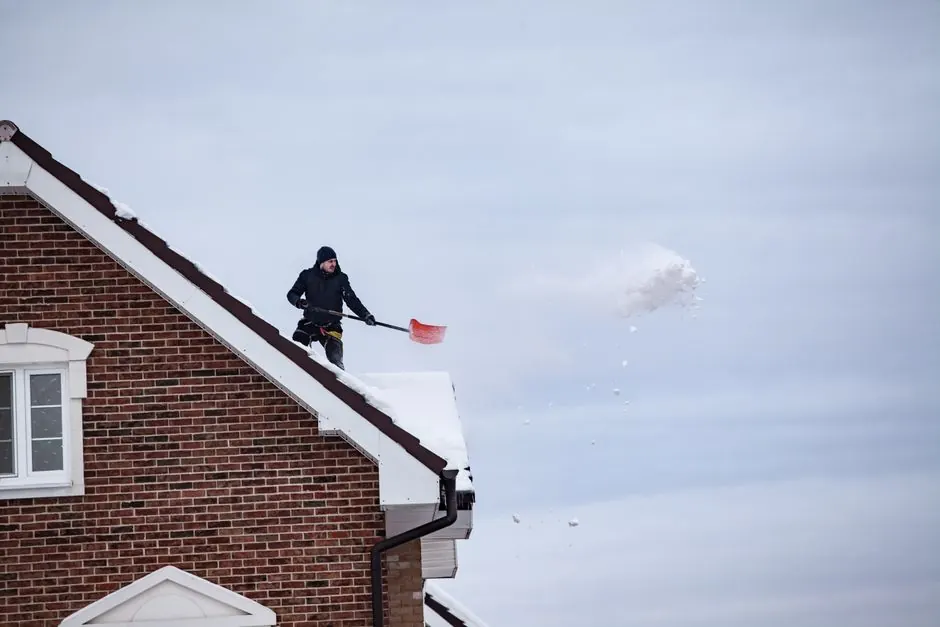
- Home roof-edge ice clearing — We remove ice from the roof edge of Saint John's University-area homes using a method suited to the roofing and access. We protect the area below the eaves, check the gutter line, and look for signs of water backing beneath the roof covering. You get a clear account of the section cleared and any leak concerns found.
- Emergency residential leak response — If water is dripping into a room, we prioritize the roof section connected to the leak and help limit further interior spread. We inspect visible ceiling marks and accessible attic areas, then advise whether drying or repair is needed. Tell us which room is affected and whether the drip changes during a thaw.
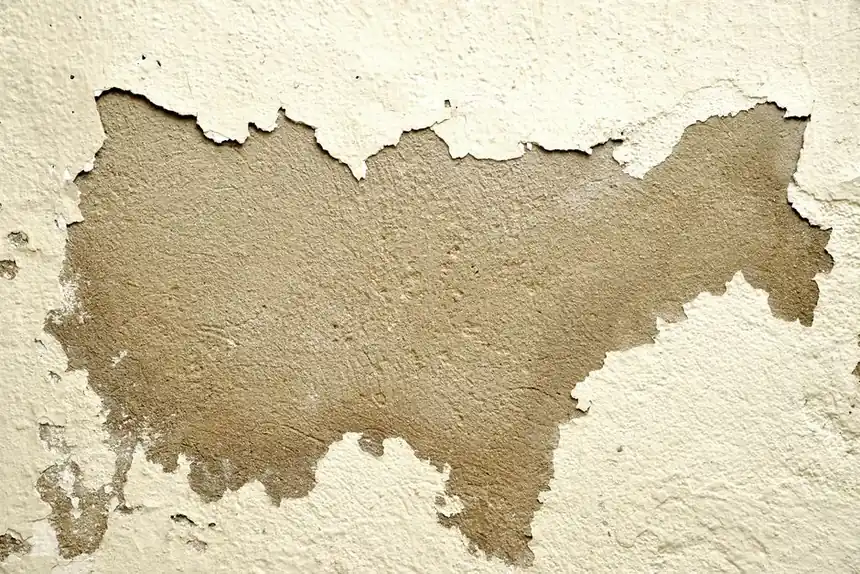
- Attic moisture inspection — We check accessible attic spaces for damp insulation, water trails, and moisture near roof penetrations after an ice dam leak. At your Saint John's University-area home, a moisture meter can help distinguish a dry stain from materials that remain wet. We explain what needs drying before you close or repaint the area.
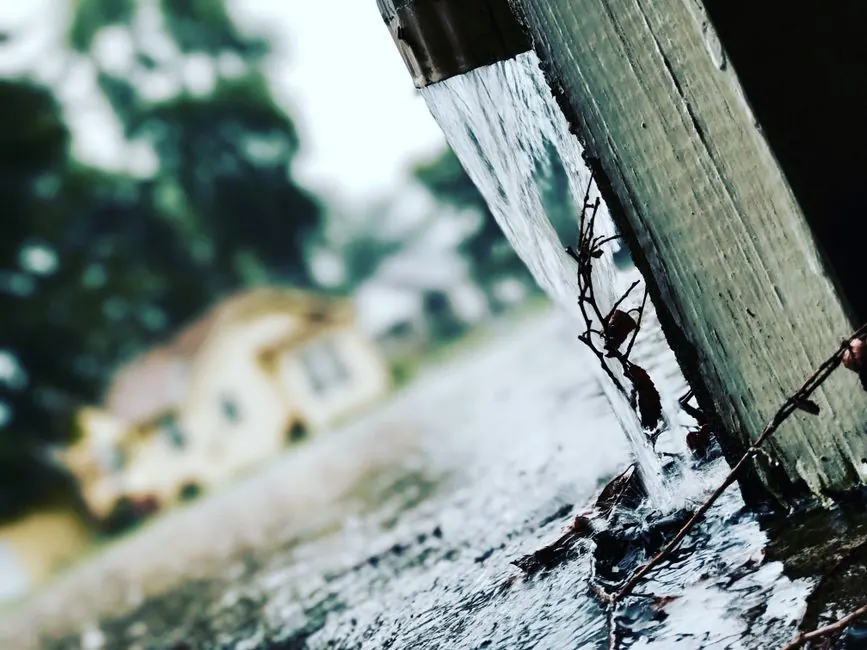
- Gutter and downspout clearing — We clear ice that blocks residential gutters and downspouts, then follow the drainage route as far as access allows. Frozen outlets can refill during a thaw, so we check for connected roof-edge ice instead of treating the visible gutter as the only obstruction. The aim is a usable path for meltwater.