
Residential Ice Dam Removal in St. Charles
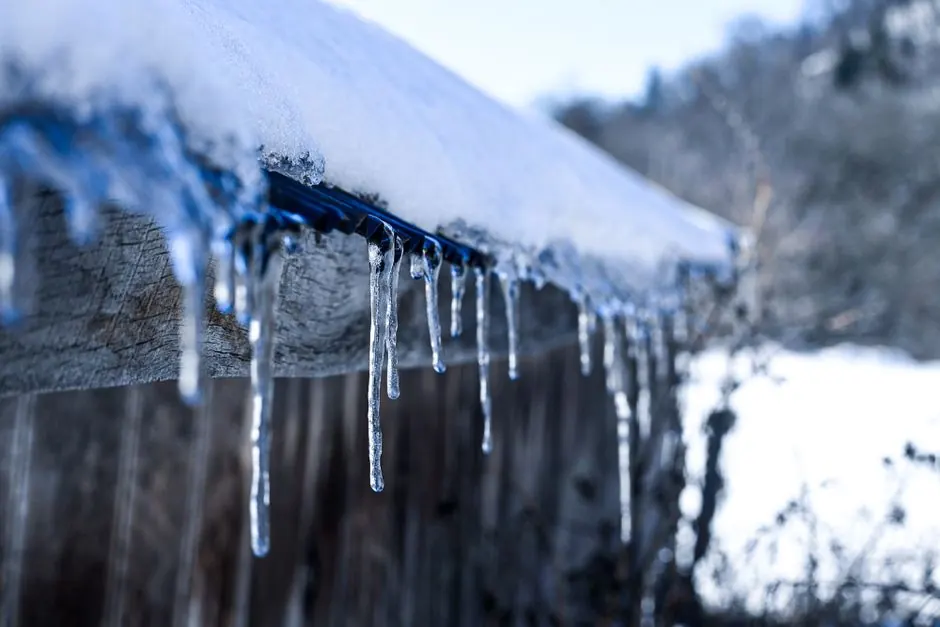
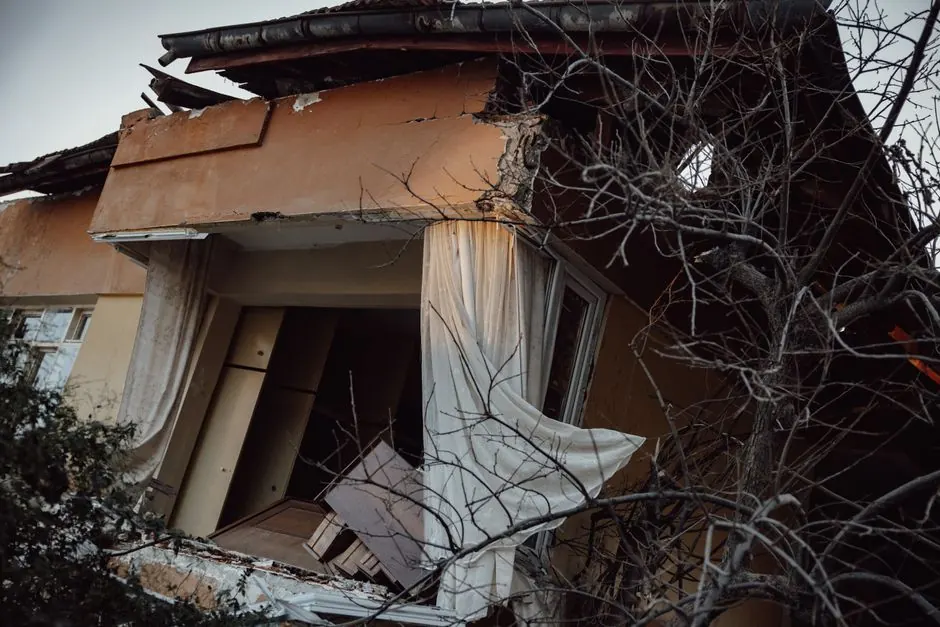
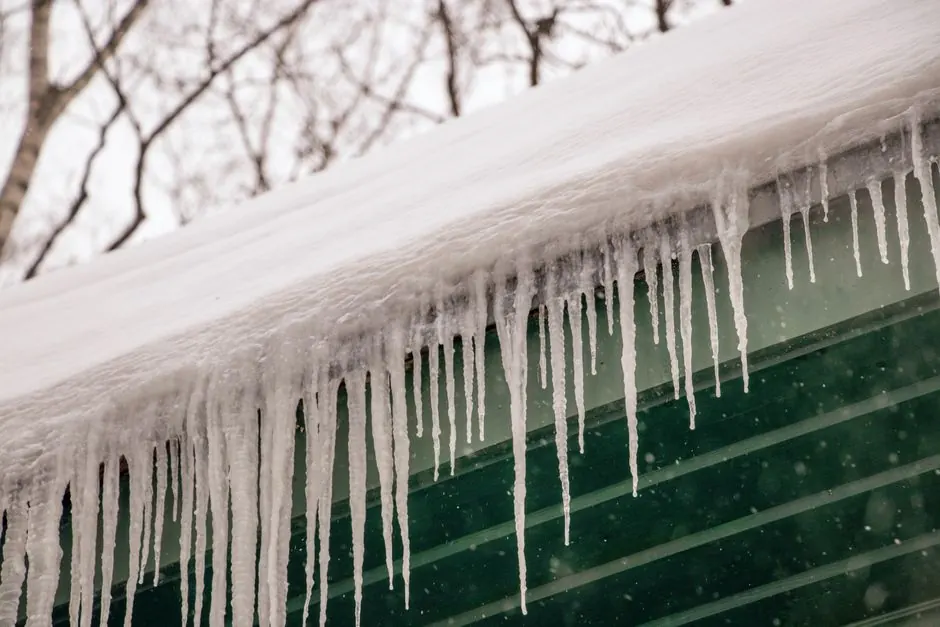
St. Charles homes range from older houses near the central streets to detached homes with garages, additions, and varied roof pitches. When snow begins to melt, a cold eave can freeze runoff and push water back beneath shingles. We check the roof edge, valleys, gutters, and likely leak path before clearing ice. If you have a new ceiling stain, tell us which room and when it appeared; the location helps guide the attic check. Our residential ice dam removal work focuses on safe drainage and limiting roof damage, followed by moisture assessment if water has entered. We can also remove roof snow, clear a frozen downspout, or inspect damp insulation after the immediate blockage is controlled. Before we arrive, move cars and patio items away from the eaves and keep family members out of the drop zone.
- Controlled eave ice clearing — We clear the blocked roof edge on St. Charles homes using a method suited to the roofing material and access. The crew opens a drainage path rather than hammering at ice, then checks whether the gutter outlet can carry meltwater away. This reduces the chance of adding impact damage to an already stressed roof.
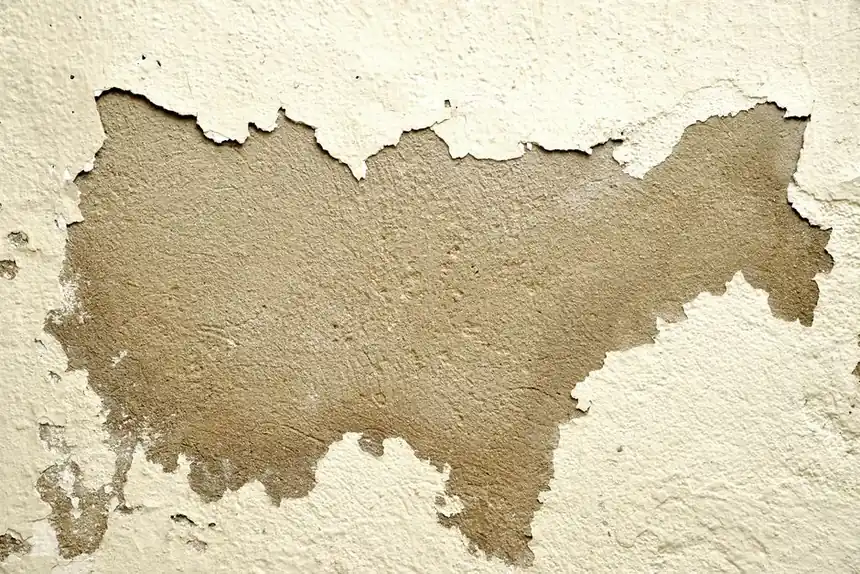
- Emergency leak response — If water is dripping into a St. Charles bedroom or hallway, call and identify the room, roof side, and whether the ceiling is bulging. We focus on the roof-side blockage first, then assess wet drywall or insulation. Move belongings out of the way and do not puncture a swollen ceiling.
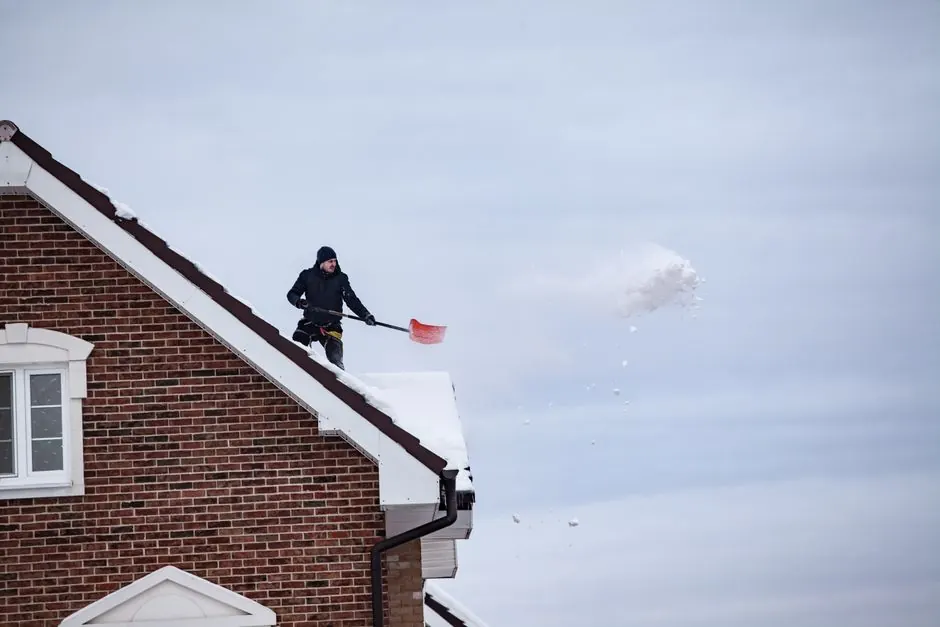
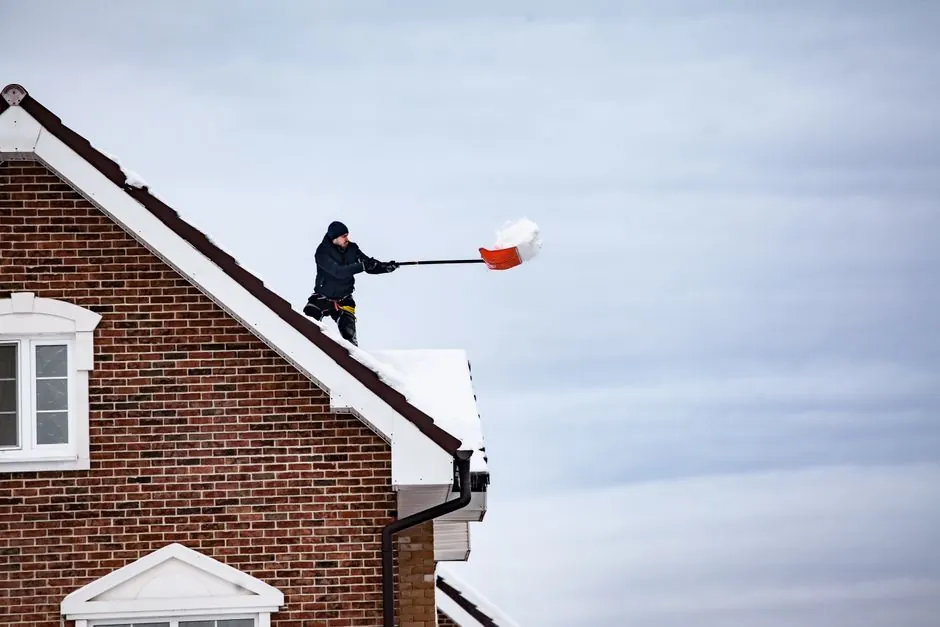
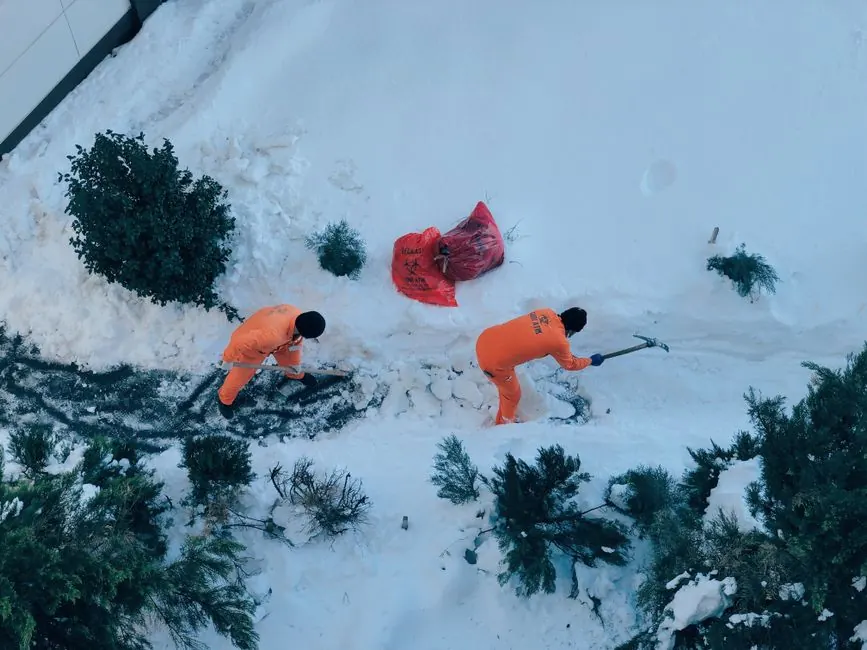
- Roof snow load reduction — When roof snow is feeding an eave freeze, we remove it selectively and maintain a balanced approach across the roof. On St. Charles homes with garages or additions, each roof plane can carry snow differently. We consider access, roof shape, and the visible accumulation before choosing the work sequence.
- Attic moisture assessment — After a St. Charles ice dam leak, we check the area above the ceiling stain for wet insulation, damp framing, and signs that moisture has spread. Moisture readings help establish which materials need drying. We explain whether the next step is monitoring, equipment-assisted drying, or repair after the source is controlled.