
Logo
Get Estimate

Ice dam removal in St. Louis Park, Done Right

Ice dam removal in St. Louis Park means clearing dangerous roof ice without damaging shingles, gutters or flashing. Minnesota Ice Dam Pros handles ice dam removal services in St. Louis Park, Minnesota, from homes near West End to properties in Aquilla and Texa-Tonka. If water is staining a ceiling or ice is backing up at the eaves, we assess the roof, choose the right removal method and address the immediate leak risk.

Call for Service Request Help
Emergency calls Service area Steam option
Licensed Licensed & Bonded
Fully Insured Insured & Bonded
24/7 Emergency Same-Day Response
Warranty Backed Workmanship Guaranteed in St. Louis Park
St. Louis Park

Ice Dam Removal in St. Louis Park


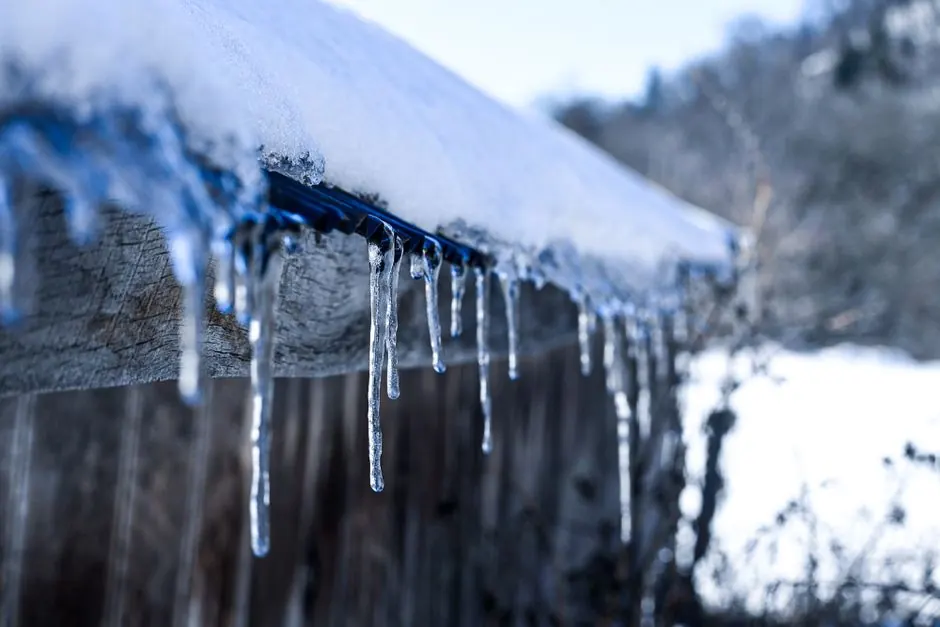
Ice dam removal in St. Louis Park is a roof-safety service that clears ice dams to restore drainage and limit water intrusion when ice blocks melting snow at the eaves. Our Minnesota crew serves West End, Brookside, Fern Hill and Shelard Park, where older homes and mid-century housing have varied insulation, ventilation and roof additions. Those details matter: two houses on the same block can need different access plans and ice-removal methods. We provide ice dam steaming in St. Louis Park when controlled steam is appropriate for the roof and the buildup.

Mature trees can shade roof edges and slow melting, while metro freeze-thaw cycles contribute to recurring gutter ice. We inspect roof shingles, flashing, gutters and downspouts before work, then remove ice in a controlled sequence rather than striking or chipping at the roof. Our Minnesota ice dam removal company serving St. Louis Park also handles roof snow, gutter blockages and leak-related interior damage. You get a clear explanation of the work and a practical next step for the property.

  • Locally licensed and insured in St. Louis Park
  • Same-day diagnostics and written estimates
  • Real workmanship warranty in writing
  • Background-checked, in-house technicians

St. Louis Park Ice Dam Services

St. Louis Park demand rises after snowfall followed by a thaw, especially where shaded roof edges hold ice and gutters cannot drain. We check roof access, ice depth and water signs before choosing removal or clearing work. For homeowners seeking an affordable ice dam removal service in St. Louis Park, Minnesota, the most useful first step is to describe the roof, visible leak and access conditions by phone. We serve residential and commercial properties throughout the city.

Ice Dam Removal

Ice Dam Removal

We assess the roof and remove the ice dam in controlled sections, protecting roof shingles, flashing and gutters. In Brookside and other compact residential areas, access can differ from one property to the next, so we plan around roof pitch, additions and safe ladder placement. We also check that meltwater has a route away from the eaves.

View Details
Emergency Ice Dam Removal

Emergency Ice Dam Removal

When water is entering a room or an ice mass is threatening the eaves, we prioritize the hazard and arrange emergency response for St. Louis Park properties. Tell us whether the leak is active, which floor is affected and whether you can see ice at the roof edge. That information helps us prepare the right access and removal equipment.

View Details
Steam Ice Dam Removal

Steam Ice Dam Removal

Our technicians use controlled steam to open drainage channels and remove roof ice without chopping at shingles. For ice dam steaming in St. Louis Park, we first assess roof condition, ice placement and safe hose access. The method suits many roof-edge blockages, but we select it based on the actual roof and conditions rather than applying one approach everywhere.

View Details
Roof Snow Removal

Roof Snow Removal

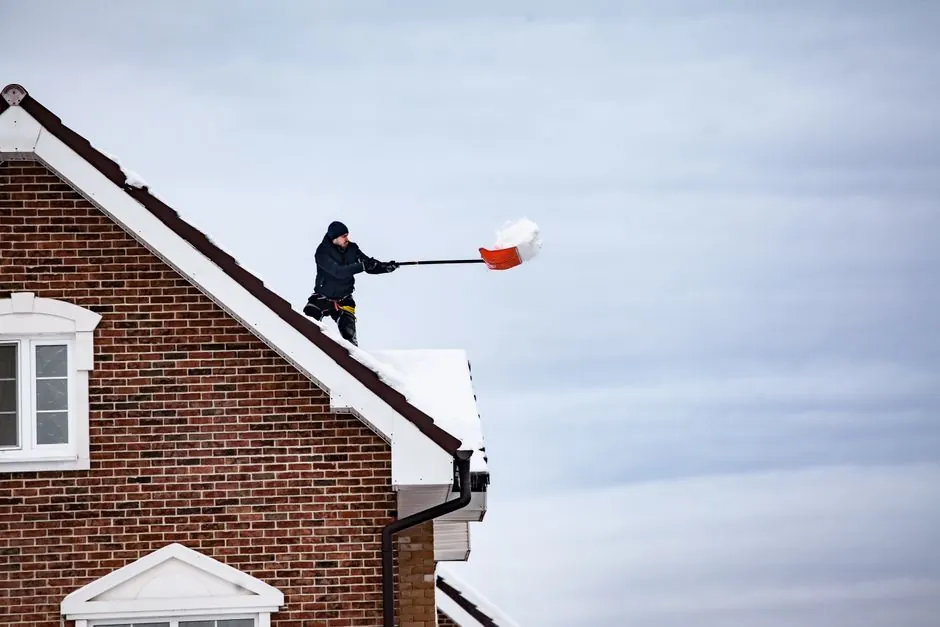
We clear selected roof areas when accumulated snow is increasing load or feeding an ice dam. On homes in Fern Hill and elsewhere in St. Louis Park, roof pitch, additions and nearby access determine how we stage the work. We remove snow in a controlled way and avoid scraping the roof surface, leaving a safer path for remaining meltwater.

View Details
Gutter Ice Removal

Gutter Ice Removal

Ice-filled gutters can hold meltwater against the roof edge and prevent drainage. We clear accessible gutter ice with a method suited to the gutter and roof, then check for visible damage or a blocked outlet. In neighborhoods with shaded eaves, we pay particular attention to recurring frozen sections rather than treating the blockage as an isolated lump.

View Details
Gutter and Downspout Clearing

Gutter and Downspout Clearing

We clear ice and debris from gutters and downspouts so water has a discharge path after roof work. St. Louis Park homes often have varied additions and drainage layouts, so we trace the outlet instead of stopping at the gutter opening. We identify frozen downspouts and explain whether they need further thawing or repair attention.

View Details
Ice Dam Roof Leak Repair

Ice Dam Roof Leak Repair

If water has passed the roof edge, we locate visible entry points and address the immediate leak conditions alongside ice removal. We inspect the roof surface, flashing and affected interior area, then outline the repair needed to keep water from continuing into the building. St. Louis Park properties receive a response shaped by the roof assembly and damage observed.

View Details
Ice Dam Water Damage Restoration

Ice Dam Water Damage Restoration

After a roof leak, we assess wet materials and begin appropriate drying to limit further damage. Our St. Louis Park response may include moisture readings, removal decisions for affected materials and air movement for drying. We check concealed areas where water can travel beyond a visible ceiling stain, then coordinate the next restoration steps with you.

View Details
Ceiling and Wall Water Damage Repair

Ceiling and Wall Water Damage Repair

Water-damaged drywall needs more than a coat of paint if insulation or framing remains wet. We inspect the affected ceiling or wall, identify the repair area and complete appropriate restoration after the source is addressed. In St. Louis Park homes with older finishes or additions, we take care to connect visible staining with the leak path before repairing surfaces.

View Details
Attic Ice Dam Damage Inspection

Attic Ice Dam Damage Inspection

We inspect the attic for moisture intrusion, wet or compressed insulation and signs that a roof leak travelled beyond the eaves. St. Louis Park homes vary in attic access and ventilation, so we document the areas we can safely reach and explain what needs attention. A moisture meter helps distinguish damp materials from dry surfaces during the assessment.

View Details
Ice Dam Removal in St. Louis Park
Service · #1

Ice Dam Removal in St. Louis Park


Ice dam removal in St. Louis Park helps protect homes when repeated freeze-thaw cycles trap water along the eaves. Our crews work throughout Fern Hill, Wolfe Park, and the Browndale area, where older houses and varied rooflines can collect heavy snow. We assess the buildup, choose a safe removal approach, and clear obstructive ice without striking shingles, helping reduce the risk of leaks and damage during Minnesota's long winter.

Careful Roofline Assessment

Before removal, we inspect the eaves, valleys, and roof access points to understand where ice is holding water. As a Minnesota ice dam removal company serving St. Louis Park, we account for the mix of steep roofs, additions, and mature-tree shade common near Aquila and Eliot. This initial assessment guides a targeted plan and helps us protect landscaping and nearby walkways.

Controlled Ice Removal

Our ice dam removal services in St. Louis Park, Minnesota focus on opening drainage paths while limiting impact to roofing materials. Technicians select suitable tools and work in manageable sections rather than pulling or chopping aggressively. That measured approach is especially useful on older homes near Wolfe Park, where aging shingles and complex eaves call for careful handling.

Protecting Homes Afterward

Once the obstruction is cleared, we check the affected roof edge for remaining ice and visible signs of water entry. Homeowners receive practical guidance about attic airflow, insulation gaps, and snow accumulation that can contribute to recurring dams. For houses around Texa-Tonka and Fern Hill, addressing these conditions can complement removal and help prepare the roof for the next cold spell.

  • Inspect roof edges, valleys, and accessible areas before beginning removal.
  • Clear obstructive ice in controlled sections without striking shingles.
  • Check drainage paths and identify visible water-entry concerns.
  • Provide practical recommendations for reducing repeat ice buildup.

Emergency Ice Dam Removal in St. Louis Park


Emergency ice dam removal in St. Louis Park is available when water is entering living spaces or a roof edge is visibly backing up. We respond across Cedar Manor, Eliot, and neighborhoods near Louisiana Avenue, where sudden warmups can turn accumulated snow into damaging runoff. Our team assesses urgency, establishes safe access, and prioritizes opening drainage routes while limiting disruption to your home.

  1. 01

    Urgent Leak Response

    Active ceiling drips, wet attic insulation, or water running behind fascia call for prompt attention. Our emergency ice dam service near St. Louis Park begins with a focused assessment of the leak location and exterior ice conditions. We coordinate the immediate roof work with homeowner safety, taking extra care around icy steps and tight driveways common on established residential streets.

  2. 02

    Rapid Local Dispatch

    When conditions and scheduling allow, our crew routes directly to affected homes and communicates expected arrival and access needs. An emergency ice dam removal contractor serving St. Louis Park, Minnesota can prioritize properties with active water intrusion, while evaluating roof pitch and weather before work begins. Clear updates help residents near Aquila Commons prepare entry, pets, and the area below the eaves.

  3. 03

    Stabilize And Document

    After the immediate obstruction is reduced, we review visible damage and note areas that may need follow-up repair or drying. The goal is to limit continued water entry, not promise that hidden damage is absent. For homes around Bronx Park, we can explain next steps, recommend temporary interior protection, and identify whether a separate roof or restoration visit is appropriate.

  • Triage active leaks and determine safe roof access conditions.
  • Prioritize ice removal around the reported water-entry area.
  • Communicate crew arrival expectations and homeowner preparation steps.
  • Document visible concerns for follow-up repair or restoration.
Emergency Ice Dam Removal in St. Louis Park

02 / 10

Service

5+ YEARS · ST. LOUIS PARK

Steam Ice Dam Removal in St. Louis Park

Steam ice dam removal in St. Louis Park provides a controlled way to loosen heavy ice along vulnerable roof edges. Our technicians serve homes in Sorensen, Brooklawns, and the Browndale neighborhood, adapting the work to roof design and winter conditions. By applying directed steam rather than impact, we create drainage channels while taking care around shingles, gutters, and the older architectural details found throughout the city.

Directed Steam Application

Steam is applied in measured passes to soften ice and open a path for trapped meltwater. Homeowners seeking professional steam treatment for roof ice dams in St. Louis Park receive a process tailored to the buildup and roof access. This method can suit the varied slopes and dormers around Sorensen, where broad, forceful removal could put unnecessary stress on roofing materials.

Roof Material Awareness

Before treatment, we consider the visible roof surface, eave layout, and nearby features such as skylights or vents. Our steam equipment is handled by trained technicians who adjust the work to site conditions rather than applying heat indiscriminately. This attention is valuable on established properties near Brooklawns, where additions and repaired sections may create different drainage patterns along one roofline.

Clear Drainage Channels

As ice softens, the crew works to establish openings that let water move off the roof instead of pooling behind the dam. Ice dam steaming in St. Louis Park can help address stubborn buildup after repeated freeze-thaw weather, but it does not correct underlying heat loss. We explain what was cleared and point out visible conditions that may warrant later assessment.

  • Apply controlled steam to soften roof-edge ice buildup.
  • Create drainage channels through obstructive ice where appropriate.
  • Protect nearby shingles, gutters, vents, and surrounding property.
  • Explain visible roof conditions and recommended follow-up actions.
Roof Snow Removal in St. Louis Park

Roof Snow Removal in St. Louis Park


Roof snow removal in St. Louis Park helps reduce excess roof loading and limit conditions that feed ice dams. Our crews work on homes near Aquila, Minikahda Vista, and the Westwood Hills area, where drifting snow and uneven roof elevations can create deep pockets. We assess access and roof geometry before clearing selected areas, taking care to keep falling snow away from entrances, landscaping, and pedestrian paths.

Assess snow depth, roof pitch, and safe access before clearing.

Promise

“We remove snow from selected roof sections based on accumulation, access, and visible risk areas rather than clearing blindly. Roof snow clearing to help prevent ice dams in St. Louis Park, Minnesota is especially rel…”

— St. Louis Park customer
Targeted Snow Clearing +

We remove snow from selected roof sections based on accumulation, access, and visible risk areas rather than clearing blindly. Roof snow clearing to help prevent ice dams in St. Louis Park, Minnesota is especially relevant after heavy snowfall followed by a sharp temperature change. Around Minikahda Vista, varied roof pitches and dormers can cause snow to settle unevenly and require a site-specific approach.

Safe Property Protection +

Before work begins, technicians identify doors, patios, utility features, and walkways beneath the work area. Snow is managed in controlled sections to reduce hazards and avoid piling it against foundations or blocking access. This planning helps on compact lots near Aquila, where driveways, landscaping, and neighboring homes can sit close to the eaves.

Reducing Winter Stress +

Clearing excess snow can lower weight on the roof and help reduce the meltwater conditions that contribute to ice buildup. It cannot replace proper insulation or ventilation, so we also flag visible concerns when accessible. For homes near Westwood Hills, routine attention after major storms can support safer winter roof management and make later ice dam removal less complicated.

  • Assess snow depth, roof pitch, and safe access before clearing.
  • Remove selected roof snow in controlled sections.
  • Protect entrances, landscaping, and walkways from falling snow.
  • Identify visible accumulation patterns that may encourage ice dams.
Gutter Ice Removal in St. Louis Park
Service · #5

Gutter Ice Removal in St. Louis Park


Gutter ice removal in St. Louis Park addresses frozen channels that prevent meltwater from draining away from the roof. Our technicians serve homes in Browndale, Fern Hill, and the Cedar Manor area, where older gutters and shaded eaves can remain frozen through changing winter weather. We inspect the obstruction and surrounding roof edge, then work to restore drainage while avoiding rough handling that could loosen brackets or damage gutter seams.

Locate Frozen Sections

We identify where ice has blocked the gutter, downspout opening, or roof-edge outlet and check for signs of overflow. A roof ice removal contractor in St. Louis Park, Minnesota can assess how the blockage connects to nearby eaves and valleys. That matters on houses near Fern Hill, where tree cover and roof additions may direct water into particular gutter runs.

Careful Gutter Ice Work

Frozen gutters can be brittle, especially during deep cold, so removal must account for the condition of the material and its supports. Our crew avoids yanking at packed ice and instead uses an approach suited to the site. Along older homes in Browndale, this restraint helps limit stress on aging hangers, joints, and painted fascia.

Restore Water Flow

After clearing, we check accessible outlets for a path that allows water to drain and note any sagging or visible separation. Removing gutter ice does not resolve every roof leak, but it can reduce overflow at the eaves. Residents in Cedar Manor receive clear information about observed concerns and whether additional gutter or roof service may be useful.

  • Inspect frozen gutter runs, outlets, and visible support points.
  • Remove obstructive ice using a gutter-appropriate method.
  • Check accessible downspout openings for restored drainage.
  • Report visible sagging, loose brackets, or separated gutter joints.

Gutter and Downspout Clearing in St. Louis Park


Gutter and downspout clearing in St. Louis Park helps keep roof runoff moving before winter freezes turn debris into a blockage. We service properties around Wolfe Park, Texa-Tonka, and the Aquila neighborhood, including homes shaded by mature maples and oaks. Our team removes accessible leaves and sediment, checks downspout outlets, and identifies drainage issues that could contribute to ice buildup or water spilling near foundations.

  1. 01

    Clear Seasonal Debris

    Leaves, seed pods, and roof grit can collect in gutters long after autumn cleanup. We clear accessible channels and inspect corners where debris tends to gather, especially on tree-lined streets near Wolfe Park. A clean route for runoff helps prevent standing water from freezing in the gutter, although roof insulation and ventilation also influence ice dam formation.

  2. 02

    Check Downspout Flow

    Downspouts need a clear path from the gutter outlet to a safe discharge point. Our technicians check accessible openings and note crushed elbows, loose connections, or water that appears to back up. Around Texa-Tonka, where mature landscaping can crowd foundations, proper discharge helps direct roof runoff away from basement walls and walkways.

  3. 03

    Prepare For Freeze Cycles

    A pre-winter clearing visit gives homeowners a chance to address drainage concerns before snow and repeated freeze-thaw conditions arrive. We can identify roof snow clearing to help prevent ice dams in St. Louis Park, Minnesota as a separate service when heavy accumulation is present. The inspection notes help residents near Aquila plan practical maintenance around the local winter forecast.

  • Remove accessible leaves, sediment, and debris from gutters.
  • Check downspout openings and visible connections for blockage.
  • Note runoff discharge concerns near foundations and walkways.
  • Provide maintenance observations before seasonal freezing conditions.
Gutter and Downspout Clearing in St. Louis Park

06 / 10

Service

5+ YEARS · ST. LOUIS PARK

Ice Dam Roof Leak Repair in St. Louis Park

Ice dam roof leak repair in St. Louis Park addresses water entry after frozen eaves push meltwater beneath roofing materials. We help homeowners in Eliot, Sorensen, and the Aquila area locate visible leak paths and assess affected roof edges. Older homes may have layered repairs or complex valleys, so we inspect the relevant areas before recommending appropriate repairs, while recognizing that interior drying may require separate restoration work.

Trace The Leak Path

Water can travel from an eave or valley before appearing on a ceiling, making the visible stain an incomplete guide. We inspect accessible roof areas and compare them with reported leak locations. Homeowners looking for ice dam roof leak repair near St. Louis Park, Minnesota receive a practical assessment of visible entry points and an explanation of what can be confirmed safely.

Repair Vulnerable Details

Repair recommendations depend on the roof material, flashing condition, and extent of visible damage. We focus on affected edges and transitions rather than assuming every leak has the same cause. Near Sorensen, where older roofs may include additions and varied pitches, a careful review helps distinguish ice-related entry from other possible defects before work is planned.

Coordinate Next Steps

If water has reached insulation, drywall, or framing, stopping the exterior leak is only one part of recovery. We explain when drying or interior repair may be needed and share observations that can guide follow-up. For properties around Eliot, prompt attention to active leaks can help limit continued wetting, though concealed damage may require a more detailed inspection.

  • Inspect visible roof edges, flashing, and reported leak areas.
  • Identify likely water-entry points and explain repair options.
  • Complete appropriate repairs to affected roof details.
  • Document concerns that may need interior drying or further inspection.
Ice Dam Water Damage Restoration in St. Louis Park

Ice Dam Water Damage Restoration in St. Louis Park


Ice dam water damage restoration in St. Louis Park helps address wet building materials after roof runoff enters a home. Our team assists residents near Bronx Park, Cedar Manor, and the Rec Center area, where winter leaks can affect ceilings, insulation, and wall cavities. We assess visible moisture, protect affected spaces, and outline drying and repair needs, coordinating the response with roof work when an ice dam remains active.

Inspect reported rooms for visible water staining and wet materials.

Promise

“We begin by checking the reported rooms for wet finishes, staining, and materials that may need closer evaluation. Moisture can travel beyond the point where a ceiling drip first appears, so the assessment considers a…”

— St. Louis Park customer
Assess Interior Moisture +

We begin by checking the reported rooms for wet finishes, staining, and materials that may need closer evaluation. Moisture can travel beyond the point where a ceiling drip first appears, so the assessment considers adjacent walls and attic access where available. In homes near Bronx Park, early documentation helps establish which areas need drying attention and which may require repair.

Dry Affected Materials +

Drying needs vary with the amount of water, the materials involved, and how long they have been damp. We explain appropriate next steps and monitor accessible affected areas as the response proceeds. A local ice dam removal company for homes in St. Louis Park can help connect the exterior source with interior impact, while avoiding assumptions about concealed conditions.

Plan Restoration Work +

Once moisture concerns are addressed, damaged finishes may need repair or replacement, depending on their condition. We outline the sequence from source control to drying and restoration so homeowners understand what happens next. Around Cedar Manor and the Rec Center area, clear communication is particularly useful when a leak affects occupied bedrooms, hallways, or shared family spaces.

  • Inspect reported rooms for visible water staining and wet materials.
  • Document affected ceilings, walls, and accessible attic areas.
  • Explain drying priorities and appropriate restoration follow-up.
  • Coordinate interior response information with active roof concerns.
Ceiling and Wall Water Damage Repair in St. Louis Park
Service · #9

Ceiling and Wall Water Damage Repair in St. Louis Park


Ceiling and wall water damage repair in St. Louis Park restores interior surfaces affected by winter roof leaks and ice dam runoff. We work in homes near Wolfe Park, Browndale, and Fern Hill, where plaster, drywall, and older trim may respond differently to moisture. After the leak source is controlled and affected materials are assessed, we plan repairs that address damaged finishes and blend with the room's existing details.

Inspect Damaged Finishes

A ceiling stain, bubbling paint, or softened drywall can indicate moisture that extends beyond the visible mark. We assess affected surfaces and discuss whether materials require drying, removal, or repair before finishing begins. In older Browndale homes, plaster and decorative trim may need a different treatment from newer drywall, so the scope reflects the actual interior construction.

Repair Walls And Ceilings

Once affected areas are ready, repair work can include replacing damaged sections, preparing surfaces, and restoring a consistent finish. We explain the proposed work and consider nearby texture, paint, and trim details. For homeowners near Fern Hill, careful matching helps repaired rooms feel cohesive rather than leaving a conspicuous patch after an ice-related leak.

Address The Moisture Source

Interior repairs should follow attention to the roof or other source that allowed water inside. If an ice dam is still affecting the eaves, additional moisture could compromise newly finished surfaces. Residents around Wolfe Park receive clear guidance on coordinating ceiling and wall work with roof repairs and drying, helping avoid premature cosmetic fixes.

  • Assess stained ceilings, softened drywall, and affected wall finishes.
  • Identify repair needs based on surface material and damage.
  • Restore damaged sections with appropriate preparation and finishing.
  • Coordinate interior work after the moisture source is addressed.

Attic Ice Dam Damage Inspection in St. Louis Park


Attic ice dam damage inspection in St. Louis Park helps uncover roof-related moisture and heat-loss clues that may not be visible from the street. We inspect homes near Texa-Tonka, Minikahda Vista, and Cedar Manor, where different construction eras can mean varied insulation and ventilation setups. By checking accessible attic areas, roof decking, and insulation for visible concerns, we help homeowners understand whether ice dam conditions may be affecting the structure.

  1. 01

    Check Attic Moisture Signs

    An inspection looks for visible staining, damp insulation, frost, and other indicators around accessible roof decking and framing. Findings are documented without disturbing concealed materials unnecessarily. In homes near Minikahda Vista, additions and remodeled attic spaces can make moisture patterns uneven, so we note the specific areas observed and recommend further evaluation where access is limited.

  2. 02

    Review Heat And Airflow

    Warm air escaping into an attic can contribute to uneven roof temperatures and ice formation at the eaves. We look for visible insulation gaps and ventilation concerns that may deserve attention, while distinguishing observations from a full energy audit. For properties around Texa-Tonka, these notes can help owners decide which building-envelope improvements to discuss with a qualified specialist.

  3. 03

    Explain Practical Findings

    After checking accessible areas, we summarize what was seen and how it may relate to roof-edge ice or interior leaks. An inspection does not guarantee that hidden damage is absent, but it can identify useful next steps. Homeowners in Cedar Manor receive clear observations about moisture concerns, access limitations, and whether roof or restoration follow-up may be appropriate.

  • Inspect accessible attic decking, framing, and insulation for visible moisture.
  • Document frost, staining, and areas of damp insulation.
  • Note apparent insulation gaps and ventilation concerns.
  • Summarize findings and recommend appropriate follow-up evaluations.
Attic Ice Dam Damage Inspection in St. Louis Park

10 / 10

Service

Residential Ice dam removal

Residential Ice Dam Removal for St. Louis Park

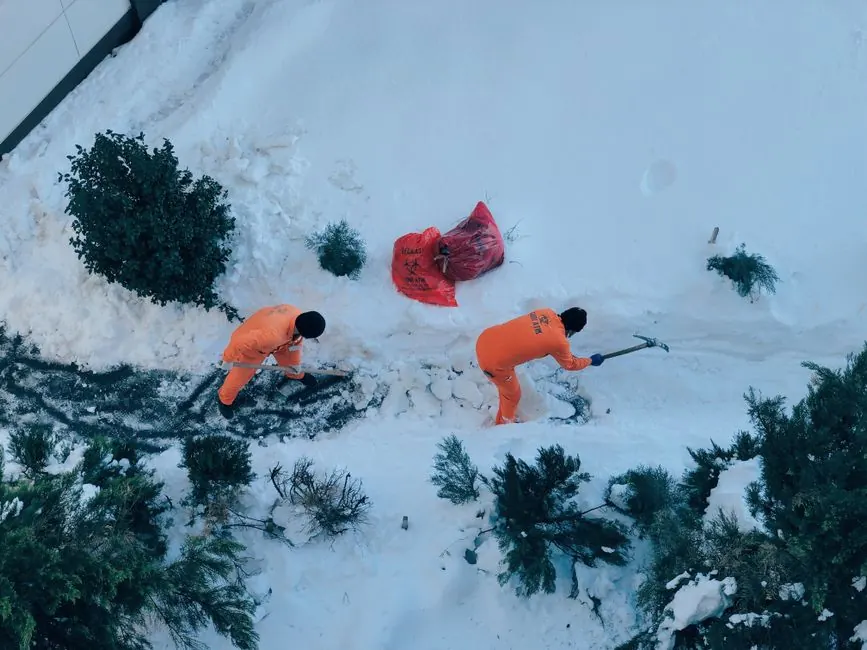
St. Louis Park homes range from older and mid-century houses to properties with later additions, so roof ice does not behave the same way on every block. A shaded eave can stay frozen while a warmer roof section releases meltwater, and a low addition can complicate drainage. We respond to active ceiling stains, frozen gutters, attic moisture and ice ridges that homeowners cannot safely reach. Our residential crew checks roof access and the visible leak path, then explains whether steam removal, roof snow clearing, gutter work or interior drying is needed. For homeowners searching for a local ice dam removal company for homes in St. Louis Park, one call can connect the roof issue with the damage it caused indoors.

  • Careful roof-edge ice removal — We clear ice ridges in controlled sections and protect the shingles, gutters and flashing around your home. In St. Louis Park, roof additions and varied pitches can make one eave harder to reach than another. We assess access first and open the drainage path without using impact tools against the roof.
  • Emergency leak response — If water is dripping through a bedroom ceiling or appearing near an exterior wall, we prioritize the roof source and the affected room. Our St. Louis Park team checks visible ice, gutter blockage and accessible attic areas, then addresses the active water path and outlines the drying work needed.
  • Attic moisture inspection — A roof leak can leave wet insulation or moisture beyond the visible stain. We inspect accessible attic areas in your St. Louis Park home and use moisture readings to locate affected materials. We explain what should be dried, monitored or repaired so you have a clear sequence after the roof is addressed.
  • Gutter and downspout clearing — We remove ice from blocked gutters and accessible downspout sections, then check whether water can drain away from the roof edge. St. Louis Park homes have varied drainage layouts, so we follow the outlet instead of stopping at the visible gutter opening. This reduces the chance of leaving a hidden blockage.
Commercial Ice dam removal

Commercial Ice Dam Removal in St. Louis Park

Commercial buildings in St. Louis Park need roof work coordinated around entrances, tenants, staff and customer access. Retail properties, offices, clinics and multi-unit buildings can have larger roof areas, multiple drains and different roof materials than a house. We plan the work zone, hose route and access so ice removal does not block a busy doorway longer than necessary. If a leak threatens a business interior, we prioritize the affected area and identify what must be protected or dried. Property managers seeking a roof ice removal contractor in St. Louis Park, Minnesota can describe building height, roof type and operating hours when calling.

Retail and diningOffice buildingsMedical clinicsMulti-unit housingCommunity facilities

Recurring Roof Ice Problems Locally

St. Louis Park's metro freeze-thaw cycles can turn roof snow into daytime meltwater and overnight ice, while mature trees shade some roof edges. Older homes and mid-century housing have varied insulation and ventilation, and compact neighborhoods include a range of pitches and additions. These conditions help explain why one eave can freeze while another drains. Our Minnesota ice dam removal company serving St. Louis Park checks the roof, gutter and any visible interior symptoms together, so the removal addresses the blockage rather than only its appearance.

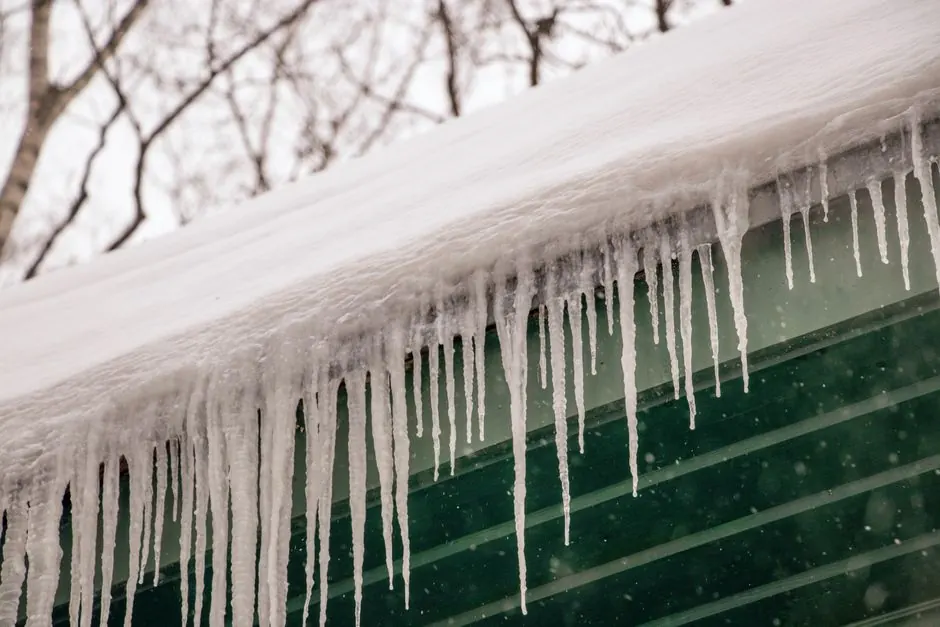
Ice dams forming above gutters during repeated freeze-thaw cycles

Snow melts on warmer roof areas and runs toward colder eaves, where it refreezes. Repeated metro temperature swings can build a ridge that traps additional water. Shaded edges and roof transitions can make the ice thicker in one section than another.

Frozen downspouts holding water at older home roof edges

A downspout can freeze at its outlet or connection, leaving meltwater with nowhere to go. Debris, bends and prior ice can contribute. When water remains in the gutter, it may back up beneath the roof edge and appear indoors later.

Uneven ice accumulation where roof additions meet the main house

Additions can create changes in roof pitch, insulation and drainage. Snow may collect at a transition, while water follows a different path than it does on the main roof. Compact properties often have limited access around these roof shapes.

Hidden attic moisture after a small ceiling water stain

Water can travel along framing before appearing on drywall, so the visible stain may not sit directly below the roof entry. Wet or compressed insulation can conceal the extent of moisture, particularly where attic access is limited.

When to Call for Roof Ice Help

Call for Ice dam removal in St. Louis Park when roof-edge ice blocks drainage, water appears indoors or a gutter remains frozen after temperatures rise. You do not need to wait for a large ceiling stain. Shaded eaves, additions and varied attic insulation can make ice buildup uneven across one roof. If you need ice dam roof leak repair near St. Louis Park, Minnesota, tell us where water appears and whether it is actively dripping so we can prioritize the right response.

  • Water stains spreading across a ceiling

    A new tan or brown stain below an exterior wall can indicate water is travelling from the roof edge through the attic or ceiling cavity. If the stain grows or feels damp, treat it as an active leak. Move belongings away from the area and call for an inspection and roof-side response.

  • Thick ice bridging roof shingles and gutter

    A solid ridge at the eave can hold meltwater behind it, especially when the gutter cannot drain. Do not chip it with a hammer or pry bar; that can damage shingles, flashing and gutters. Controlled removal opens a drainage path while reducing impact to the roof surface.

  • Gutter ice blockage after daytime thaw

    If water runs over the gutter during the day and freezes again overnight, the outlet may be blocked or the eave may remain colder than the roof above. Repeated refreezing increases the obstruction. Have the gutter and downspout checked instead of pouring hot water into a frozen system.

  • Drips or damp insulation in the attic

    Moisture in the attic can spread beyond the visible roof leak and compress insulation, reducing its ability to perform. A damp patch near the eave deserves prompt attention, even if the living space ceiling looks dry. We inspect accessible areas and identify whether drying or material removal is needed.

  • Large roof snow load above an addition

    Uneven snow accumulation around a low addition or roof transition can feed ice at the eave and complicate drainage. If the roof shows sagging, cracking sounds or sudden interior leaks, keep clear of the area and call for immediate assessment. We remove selected snow with the roof layout in mind.

Local Landmarks for Easier Navigation

We use familiar St. Louis Park landmarks to orient routes and confirm the general service area, then rely on your street address and access notes for the final approach. West End is a prominent reference point, while St. Louis Park City Hall and Wolfe Park help distinguish nearby parts of the city. The Rec Center and Minikahda Club are additional orientation references; we do not treat landmarks as job sites or assume they indicate a particular roof condition.

West End

West End is a recognizable shopping and dining destination in St. Louis Park that can help orient visitors to the eastern side of the city and nearby street connections.

St. Louis Park City Hall

City Hall is a civic landmark that helps identify the municipal center of St. Louis Park. It provides a useful general reference when coordinating directions to nearby residential streets.

Wolfe Park

Wolfe Park is a public park and local point of reference in St. Louis Park. Its name can help clarify a general area during navigation without implying any connection to a property's ice problem.

Coverage across St. Louis Park & Hennepin County

5542655416

Plus surrounding Hennepin County neighborhoods, with same-day routing on most appointments.

St. Louis Park Roof Ice by Season

In October, St. Louis Park homeowners can prepare for the coming winter by checking gutters, downspouts and roof edges before snow arrives. Winter brings the highest risk as snow, daytime melting and overnight refreezing combine. Spring can expose leaks that began under ice, while summer is a useful window for attic and roof follow-up. If you are planning professional steam treatment for roof ice dams in St. Louis Park, an early call during an active event helps us understand the roof and the leak conditions.

Spring

As temperatures rise, remaining eave ice can release water into gutters or reveal stains from winter leaks. Repeated thawing may expose loose flashing, damaged shingles or damp attic insulation that was hidden while the roof remained frozen.

Tip: After snowmelt, check ceilings and attic access areas for fresh dampness or compressed insulation. Arrange roof and drainage follow-up before the next freeze cycle returns.

Summer

Summer is generally the repair and inspection window rather than the ice-removal season. Roof and attic checks can identify ventilation issues, damaged flashing or blocked drainage that contributed to winter trouble in St. Louis Park homes.

Tip: Have recurring leak locations inspected while the roof is accessible. Clear gutters and confirm downspouts discharge away from the building before fall leaves and winter weather arrive.

Fall

October and later fall weather bring preparation time before snow and freeze-thaw conditions. Leaves can restrict gutters, and shaded roof edges may remain damp longer. A clear drainage path does not prevent every ice dam, but it removes one avoidable obstruction.

Tip: Clear gutters and downspouts, note past leak locations and check attic insulation where accessible. Call before the first major snowfall if roof snow removal planning is needed.

Winter

Winter is peak season for ice dams, gutter ice blockage and active roof leaks. Snow can melt on warmer roof sections and refreeze at colder eaves, while overnight temperatures lock water into gutters and downspouts.

Tip: Do not chip ice from shingles or climb onto a snow-covered roof. If water enters a room, protect belongings, note the leak location and call for emergency roof assessment and controlled removal.

St. Louis Park Ice Dam FAQs

Real answers from our team for the questions we hear most often before a job starts.

How much does ice dam removal cost in St. Louis Park, Minnesota?
Straightforward roof-edge removal commonly costs about $250-$600, while complex or emergency jobs can range from $600-$1,500. The final price reflects roof height, ice volume, access, number of roof sections and whether water entered the home. Typical 2026 pricing is explained before work begins. For an affordable ice dam removal service in St. Louis Park, Minnesota, share your address, roof height and leak status so we can identify the likely work.
Who offers emergency ice dam removal near St. Louis Park?
Minnesota Ice Dam Pros provides emergency ice dam service near St. Louis Park for active leaks and hazardous roof-edge ice. Call +16125550100 and tell us whether water is dripping, which room is affected and what access is available. Our emergency ice dam removal contractor serving St. Louis Park, Minnesota prioritizes active water entry and roof hazards, then plans controlled removal and checks the drainage path.
Is professional steam ice dam removal available in St. Louis Park, Minnesota?
Yes, Minnesota Ice Dam Pros offers professional steam treatment for roof ice dams in St. Louis Park when the roof and ice conditions suit the method. We use controlled steam to open drainage channels without chopping at shingles. The technician checks roof material, access and ice placement first. Steam can take about 1-3 hours for a straightforward eave blockage; larger or multi-section jobs take longer.
How quickly can an ice dam removal contractor reach St. Louis Park?
Emergency calls are handled 24/7, and metro arrival is commonly planned within 2-6 hours when weather and road access allow. Active interior leaks and immediate roof hazards receive priority. When you call, give the street address, roof height, visible ice location and whether water is entering. That lets our team prepare the right equipment and route for St. Louis Park.
Can roof snow clearing help prevent ice dams in St. Louis Park?
Selective roof snow clearing can reduce the snow available to melt and refreeze at a blocked eave, but it does not correct every insulation or ventilation issue. We clear roof sections in a controlled way and avoid scraping shingles. For roof snow clearing to help prevent ice dams in St. Louis Park, Minnesota, plan around the roof pitch, additions and safe access rather than climbing onto a snowy roof yourself.

Call for Ice Dam Removal in St. Louis Park

If ice is blocking your gutter or water is entering the house, call Minnesota Ice Dam Pros at +16125550100. We serve St. Louis Park with emergency roof ice removal, steam treatment, gutter clearing and leak response. Our technicians follow OSHA fall protection requirements and explain the work and price before starting. Tell us your address, roof height and whether the leak is active, and we will plan the next step.

Call Our Team Send a Message

Contact Minnesota Ice Dam Pros

Call +1 612-555-0100 for ice dam removal or frozen pipe help across Minnesota. We take urgent calls around the clock and respond with practical questions about the leak, roof access, or water service so we can direct the right crew. Share your community and what you see; we will explain the next step and pricing before work starts.

Or call us right now at +16125550100 — we answer.

Minnesota Ice Dam Pros


  • Phone

    +16125550100
  • Address

    Minnesota

  • Hours

    Mon–Fri: 7AM – 7PM
    Sat: 8AM – 4PM
    Sun: Emergency Only
    24/7 Emergency Available

Call +16125550100 Get Quote
Call Quote