


Logo
Get Estimate

Ice dam removal in St. Paul Park, Done Carefully

Ice dam removal in St. Paul Park starts with finding where roof ice is holding water, then clearing the blockage without rough prying against shingles or gutters. We serve homes and small commercial buildings across this Mississippi River community, from established streets near downtown to newer residential blocks. Minnesota winters bring repeated freeze-thaw cycles; our team checks the roof edge, drainage path, and any interior leak signs before recommending the work.

Call Our Team Request Service
Emergency response Service area Steam removal
Licensed Licensed & Bonded
Fully Insured Insured & Bonded
24/7 Emergency Same-Day Response
Warranty Backed Workmanship Guaranteed in St. Paul Park
St. Paul Park

Ice Dam Removal in St. Paul Park


Ice dam removal in St. Paul Park is a roof-care service that clears obstructive ice so meltwater can drain instead of backing beneath roof shingles. That is the job in plain terms. When a ridge of ice forms at the eaves, water can work under roof flashing and show up as ceiling stains or wet drywall. We inspect the visible ice, roof edge, gutters, and interior symptoms before choosing a removal method. For many roofs, controlled steam is safer than striking or chopping ice.

Our routes cover St. Paul Park's residential streets and the commercial properties along its local business corridors. The area's mix of older houses, additions, and newer construction means roof details vary even on neighboring blocks. We adjust access and removal to the roof pitch, material, and amount of ice rather than using one approach everywhere. Emergency ice dam removal is available when water is entering living space; roof snow removal can reduce added load when conditions call for it. We keep the work focused on drainage and protecting the roof surface, then explain what we found and what should happen next.

  • Locally licensed and insured in St. Paul Park
  • Same-day diagnostics and written estimates
  • Real workmanship warranty in writing
  • Background-checked, in-house technicians

St. Paul Park Ice Dam Services

In St. Paul Park, ice-dam calls tend to involve a blocked roof edge, an indoor drip, or concern about heavy snow after a storm. We ask what you see inside and outside, then match the service to the roof and urgency. If you are looking for how to remove an ice dam without damaging shingles, the safest answer is not to chip at it from the ground or roof; controlled removal and a drainage check are the practical route. We also handle the water damage that may already be visible indoors.

Ice Dam Removal

Ice Dam Removal

We inspect the roof edge and drainage route, then remove obstructive ice with a method suited to the roof surface. In St. Paul Park, that may mean careful steam work on a house with an active leak or a targeted clearing on a detached garage. We protect gutters and shingles from unnecessary impact and check whether water can move away from the eaves.

View Details
Emergency Ice Dam Removal

Emergency Ice Dam Removal

When water is entering a bedroom, hallway, or business space, we prioritize the active leak and safe roof access. Tell us where the ceiling is wet, whether water is still dripping, and whether power or belongings are at risk. Our emergency team serves St. Paul Park addresses and works to stop the roof-edge blockage before interior damage spreads.

View Details
Steam Ice Dam Removal

Steam Ice Dam Removal

Steam loosens ice in controlled passes, reducing the need for force against roof shingles and gutters. We use a low-pressure steam generator and direct heat to the obstruction rather than blasting the roof surface. This is a useful option for St. Paul Park homes where the ice ridge is thick or water has begun backing under the eaves.

View Details
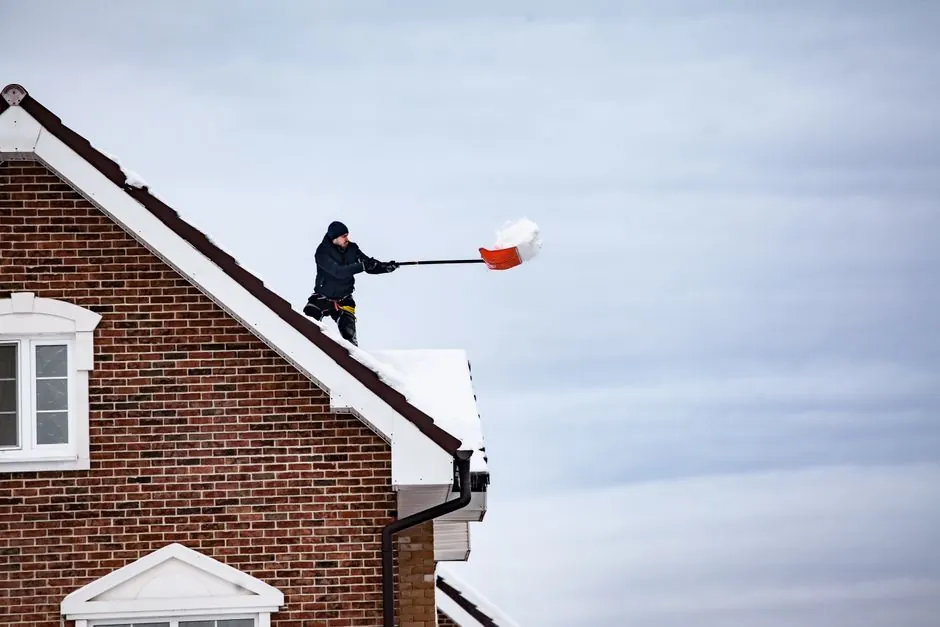
Roof Snow Removal

Roof Snow Removal

Heavy, uneven snow can add load and feed more meltwater toward cold roof edges. We remove snow selectively, leaving a safe amount where needed and avoiding damage to shingles, vents, and flashing. In St. Paul Park, we assess roof shape, access, and ground conditions before setting ladders or moving snow from a home or detached structure.

View Details
Gutter Ice Removal

Gutter Ice Removal

Ice-filled gutters can prevent meltwater from draining and may conceal the route water is taking. We clear accessible gutter ice with care, check the outlet, and explain whether the blockage is linked to roof-edge ice. St. Paul Park homes with long eaves or multiple roof sections benefit from checking the full drainage path rather than only the visible frozen spot.

View Details
Gutter and Downspout Clearing

Gutter and Downspout Clearing

We clear debris or ice where it is safe and accessible, then check that water has a path through the gutter and downspout. Frozen downspouts can leave water trapped at the roof edge or spilling beside a foundation. In St. Paul Park, we consider snow piled around the discharge point and avoid directing meltwater onto walkways where it could refreeze.

View Details
Ice Dam Roof Leak Repair

Ice Dam Roof Leak Repair

A roof leak linked to ice needs two parts addressed: the immediate water path and the roof-edge obstruction. We inspect the affected area, remove ice as appropriate, and identify visible concerns around shingles and flashing. If the leak has crossed into an attic or ceiling in your St. Paul Park property, we explain which follow-up repair or drying step is needed.

View Details
Ice Dam Water Damage Restoration

Ice Dam Water Damage Restoration

Water that has entered an attic or room needs a moisture check, not just a surface wipe. We assess affected materials and use drying equipment when conditions support it. For St. Paul Park homes, we pay attention to wet insulation, ceiling stains, and concealed moisture that may remain after the visible drip stops.

View Details
Ceiling and Wall Water Damage Repair

Ceiling and Wall Water Damage Repair

Once the leak source is controlled and materials are dry enough for repair, we address affected ceiling and wall surfaces. We check the extent of staining and moisture before recommending patching or replacement. In St. Paul Park, a small stain can conceal a wider wet area, so we verify the material condition rather than covering the mark alone.

View Details
Attic Ice Dam Damage Inspection

Attic Ice Dam Damage Inspection

An attic inspection helps identify water entry, damp insulation, and moisture near roof framing after an ice-dam event. We check the affected roof slope and look for signs that water traveled beyond the visible ceiling stain. St. Paul Park homeowners receive a clear account of what is wet, what needs drying, and whether further roof attention is warranted.

View Details
Ice Dam Removal in St. Paul Park
Service · #1

Ice Dam Removal in St. Paul Park


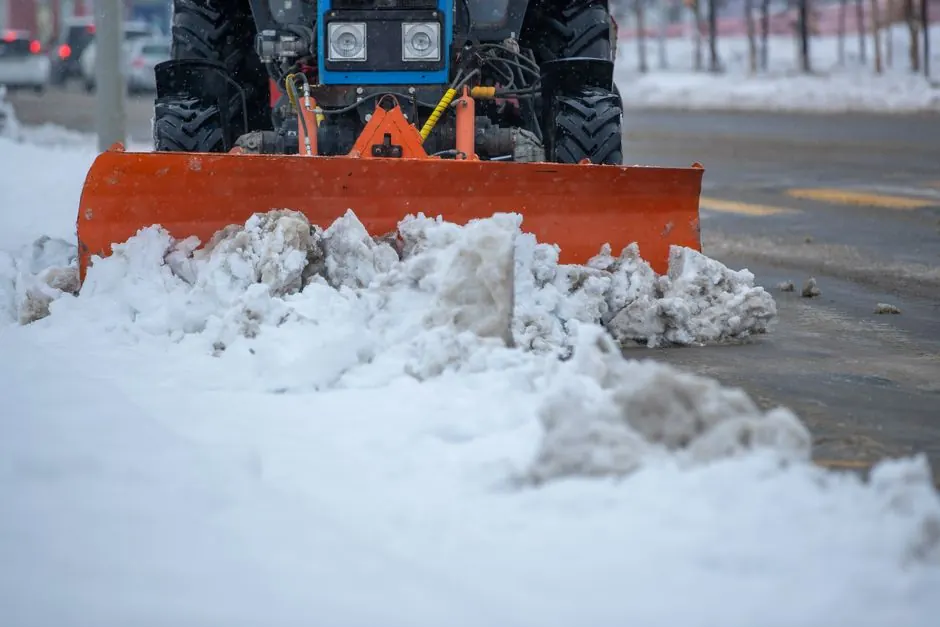
Ice dam removal in St. Paul Park helps protect homes when freeze-thaw cycles turn roof-edge snow into trapped water. From established streets near Broadway Avenue to homes closer to the Mississippi River, changing winter temperatures can leave thick ice along eaves. Minnesota Ice Dam Pros assesses the roof, selects a careful removal method, and clears the immediate drainage path while taking the home's roofing material and surrounding property into account.

Assessing Roof Edge Conditions

We examine where ice has formed, how far it extends, and whether water is backing beneath shingles. St. Paul Park's mix of older houses and newer homes can present different eave details, roof pitches, and drainage layouts. This initial assessment helps distinguish an isolated ridge of ice from a broader blockage and guides a removal plan suited to the roof.

Removing Ice With Care

Removing a dam requires more than breaking visible ice; forceful tools can damage shingles, gutters, and flashing. Our crew uses controlled methods to open drainage routes while limiting contact with the roof surface. During a Minnesota cold snap, ice can quickly harden again, so we work methodically and monitor the affected edge as the obstruction is reduced.

Restoring Roof Drainage

After clearing the buildup, we check that meltwater has a usable path from the roof edge toward the gutter or eave. We also note nearby snow accumulation and visible drainage concerns that could contribute to another blockage. For homes around St. Paul Park, practical recommendations reflect local winter conditions and the property's specific roof configuration.

  • Assess ice depth, roof-edge exposure, and visible water backup.
  • Select a removal approach suited to shingles and flashing.
  • Clear obstructed eave sections while protecting nearby property.
  • Check drainage paths and document roof conditions after removal.

Emergency Ice Dam Removal in St. Paul Park


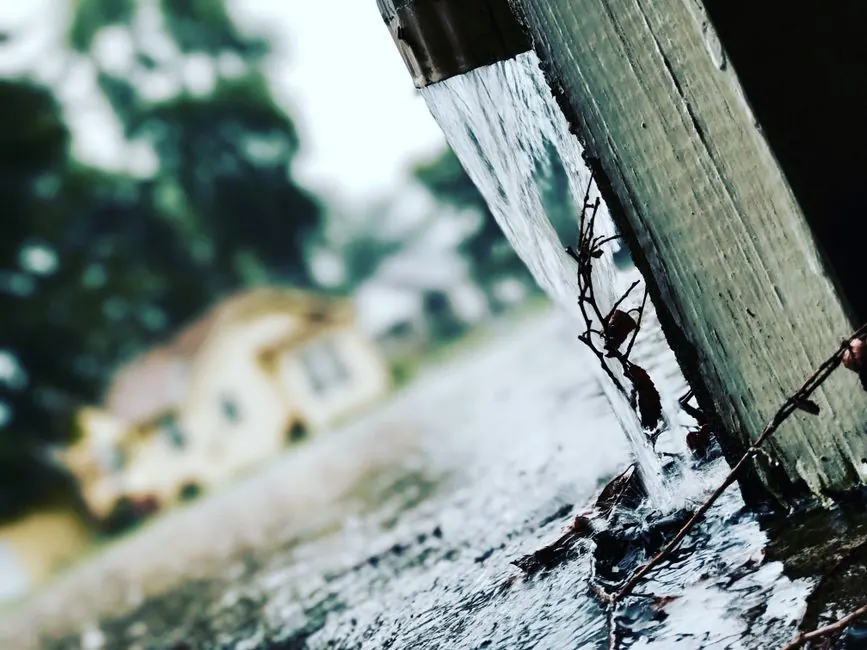
Emergency ice dam removal in St. Paul Park is available when water is entering rooms, staining ceilings, or threatening finished spaces. Ice dams can develop quickly during sharp temperature swings, especially after heavy snow followed by a thaw. Minnesota Ice Dam Pros responds to urgent roof-edge blockages by identifying the affected area, prioritizing active leaks, and taking practical steps to reduce further water entry at homes across the community.

  1. 01

    Prioritizing Active Leaks

    When a leak is underway, we first locate the likely roof-edge source and establish which rooms or building areas are at risk. In St. Paul Park, homes near the river may experience variable snow and freeze conditions that complicate drainage. Our emergency ice dam removal service focuses on the immediate obstruction and the safest way to relieve it.

  2. 02

    Coordinating Safe Access

    Emergency conditions do not make unsafe roof access acceptable. We evaluate roof pitch, ice coverage, weather, and access around the property before selecting a work plan. For a home on a compact residential lot or a larger property near Lower 55th Street, crew setup is adjusted to protect occupants, landscaping, and entryways while addressing the urgent ice.

  3. 03

    Limiting Further Water Entry

    Once the obstruction is addressed, we check the affected edge for an open path and review visible signs of continuing seepage. If water has reached an interior surface, we explain the next steps for documenting conditions and arranging appropriate repairs. Clear communication helps St. Paul Park homeowners coordinate roof work and interior follow-up after a stressful winter leak.

  • Identify active leak locations and the roof areas above them.
  • Assess access, ice hazards, and immediate property protections.
  • Relieve urgent roof-edge blockages using a controlled method.
  • Provide a concise condition summary and recommended follow-up.
Emergency Ice Dam Removal in St. Paul Park

02 / 10

Service

5+ YEARS · ST. PAUL PARK

Steam Ice Dam Removal in St. Paul Park

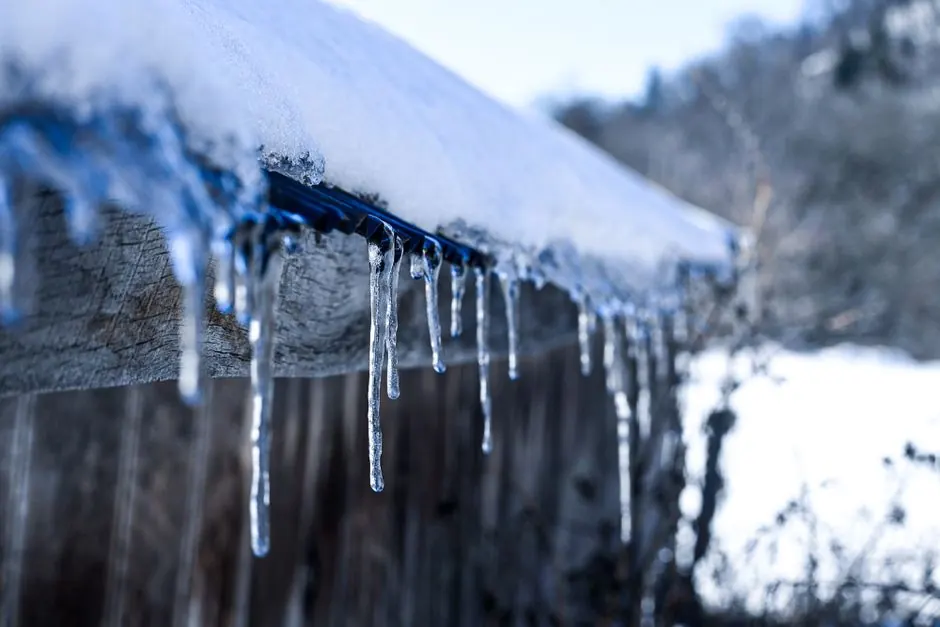
Steam ice dam removal in St. Paul Park provides a controlled option for clearing stubborn ice from roof edges. Repeated winter thaws and refreezes can build dense ridges along eaves, particularly where snow remains shaded on residential roofs. Minnesota Ice Dam Pros uses professional steam equipment to loosen and remove obstructive ice in measured sections, helping restore drainage while minimizing unnecessary impact on shingles and other roof components.

Applying Controlled Steam

Professional steam equipment directs heat at the ice rather than relying on striking or prying against the roofing. We work in deliberate passes, adjusting to the thickness of the buildup and the roof surface. This method can suit St. Paul Park homes where repeated freeze-thaw weather has bonded ice firmly to eaves and made simple hand removal unsuitable.

Protecting Roofing Materials

Careful technique matters around shingles, flashing, and older gutter systems found on established local homes. The crew observes how the ice releases and avoids rushing heat across vulnerable details. Steam ice dam removal is planned around each roof's condition, so the work addresses the obstruction without treating every property in the same way.

Opening Reliable Drainage

As ice loosens, we clear sections that are preventing meltwater from draining naturally from the roof edge. We then review the remaining ice and the eave's visible condition before wrapping up. In St. Paul Park's cold, changeable weather, this measured approach helps homeowners understand what was cleared and whether additional attention may be warranted.

  • Inspect roof materials and ice thickness before steam treatment.
  • Use professional steam equipment to loosen obstructive eave ice.
  • Clear selected drainage channels without striking roof surfaces.
  • Review cleared sections and report any visible concerns.
Roof Snow Removal in St. Paul Park

Roof Snow Removal in St. Paul Park


Roof snow removal in St. Paul Park reduces accumulated snow before it contributes to roof strain or ice buildup. Heavy snowfall followed by mild daytime temperatures can leave snowpack and meltwater concentrated at roof edges. Minnesota Ice Dam Pros evaluates roof access, snow depth, and building features before clearing selected areas. We work with local homes ranging from compact ramblers to larger two-story houses, adapting the plan to the structure.

Check snow depth, roof slope, valleys, and visible access conditions.

Promise

“Snow depth can vary from one roof slope to another, particularly where dormers, valleys, or nearby trees alter drifting and sun exposure. We inspect the visible load and identify priority areas instead of removing sno…”

— St. Paul Park customer
Evaluating Snow Accumulation +

Snow depth can vary from one roof slope to another, particularly where dormers, valleys, or nearby trees alter drifting and sun exposure. We inspect the visible load and identify priority areas instead of removing snow indiscriminately. In St. Paul Park, this helps account for the different roof forms found in established neighborhoods and newer residential developments.

Clearing Priority Roof Areas +

Roof snow removal focuses on reducing selected accumulation while respecting the roof's surface and surrounding property. We use suitable tools and controlled work practices to avoid unnecessary contact with shingles and trim. Where snow sits above an entry, driveway, or walkway, we also consider how the cleared material will be managed below.

Reducing Ice Formation Risks +

Removing snow from appropriate roof sections can help reduce the amount available to melt and refreeze at colder eaves. It does not replace insulation or ventilation improvements, but it can address an immediate seasonal concern. Our recommendations reflect the current weather in the St. Paul Park area and the roof's observed layout.

  • Check snow depth, roof slope, valleys, and visible access conditions.
  • Identify priority areas for controlled snow reduction.
  • Clear selected roof sections using surface-conscious tools.
  • Manage falling snow around entrances, walkways, and landscaping.
Gutter Ice Removal in St. Paul Park
Service · #5

Gutter Ice Removal in St. Paul Park


Gutter ice removal in St. Paul Park addresses frozen channels that prevent meltwater from draining away from the roof. Ice-filled gutters can add weight to their brackets and direct water back toward eaves during a thaw. Minnesota Ice Dam Pros checks the gutter run, adjacent roof edge, and downspout connections before clearing accessible blockages. This service is useful after cold snaps across neighborhoods near Broadway Avenue and the river corridor.

Checking Frozen Gutter Runs

We look for solid ice, trapped debris, sagging sections, and signs that water has overflowed behind the gutter. Older homes may have aging hangers or different gutter profiles than newer construction, so the inspection considers both condition and layout. In St. Paul Park, this helps establish whether the blockage is isolated or tied to a broader roof-edge problem.

Clearing Ice Without Strain

Removing frozen material calls for care because prying can bend metal channels, loosen brackets, or harm nearby fascia. Our crew chooses a suitable approach for the gutter's material and accessibility, clearing the obstruction in manageable sections. Controlled work is especially important when winter ice has bonded the gutter to the eave.

Restoring Water Movement

After clearing, we review the visible gutter channel and confirm that water has a practical route toward the downspout. We note areas that remain frozen or appear damaged so homeowners can plan further attention. With St. Paul Park's recurring freeze-thaw cycles, keeping runoff pathways open can help limit repeat overflow during a mild spell.

  • Inspect gutter channels, hangers, and visible downspout openings.
  • Identify ice blockage locations and nearby overflow evidence.
  • Remove accessible gutter ice with care around brackets.
  • Report remaining obstructions and visible gutter concerns.

Gutter and Downspout Clearing in St. Paul Park


Gutter and downspout clearing in St. Paul Park helps keep roof runoff moving before winter debris and ice obstruct the system. Leaves, grit, and compacted material can collect through fall, then freeze when temperatures drop. Minnesota Ice Dam Pros checks gutter channels and downspout outlets on local homes, including properties with mature trees and older drainage layouts, and clears accessible debris to support more dependable water flow.

  1. 01

    Removing Trapped Seasonal Debris

    We clear leaves, twigs, roof granules, and other material that restricts movement through gutter runs. Properties near mature trees can collect debris well after the main fall cleanup, while wind may carry material into exposed sections. For St. Paul Park homeowners, a channel-by-channel check helps reveal blockages before they become harder to address in freezing weather.

  2. 02

    Checking Downspout Openings

    A clear gutter cannot drain properly if its downspout entrance or outlet is obstructed. We inspect accessible connections and remove material that prevents runoff from passing through the system. Where the layout includes elbows or extensions, we note concerns that may require additional attention, helping homeowners understand how the drainage route functions.

  3. 03

    Supporting Winter Runoff Flow

    Once debris is cleared, we review the visible drainage path and identify sections that may hold standing water or show wear. This maintenance does not prevent every ice problem, but it gives meltwater a clearer route during changing temperatures. Local St. Paul Park weather can shift quickly, making pre-winter drainage checks a useful part of property care.

  • Remove leaves, twigs, and loose debris from accessible gutters.
  • Check downspout inlets and outlets for visible obstructions.
  • Review gutter seams and drainage connections during service.
  • Document sections needing repair or additional cleaning.
Gutter and Downspout Clearing in St. Paul Park

06 / 10

Service

5+ YEARS · ST. PAUL PARK

Ice Dam Roof Leak Repair in St. Paul Park

Ice dam roof leak repair in St. Paul Park addresses water entry caused when meltwater backs beneath ice-blocked roof edges. A ceiling stain or damp wall can appear after snow begins melting, even when the outside temperature remains below freezing. Minnesota Ice Dam Pros traces visible symptoms to the likely roof area, checks accessible roofing details, and explains the repair options for homes across St. Paul Park.

Tracing Water Entry Points

A leak may travel along framing before appearing indoors, so the stain's location does not always mark the roof opening. We compare interior signs with roof-edge conditions, flashing, valleys, and nearby penetrations where accessible. In St. Paul Park's winter weather, careful tracing helps distinguish ice-related seepage from other roof concerns that need separate attention.

Repairing Affected Roof Details

Once the likely entry area is identified, we assess visible shingles, flashing, and transitions for damage that may allow water through. Repair recommendations depend on the roof's material and the extent of the affected section. This practical assessment is especially useful for older local homes, where original details may differ from newer replacement components.

Documenting Interior Symptoms

We record observable leak signs and explain when interior drying or restoration should follow the roof work. Homeowners can use dated photographs of stained ceilings or walls to track changes and support insurance conversations if needed. For properties around St. Paul Park, clear documentation connects the indoor symptom with the exterior condition found during service.

  • Compare interior leak evidence with accessible roof conditions.
  • Inspect shingles, flashing, valleys, and nearby roof transitions.
  • Recommend targeted repairs based on observed damage.
  • Document visible symptoms and explain appropriate next steps.
Ice Dam Water Damage Restoration in St. Paul Park

Ice Dam Water Damage Restoration in St. Paul Park


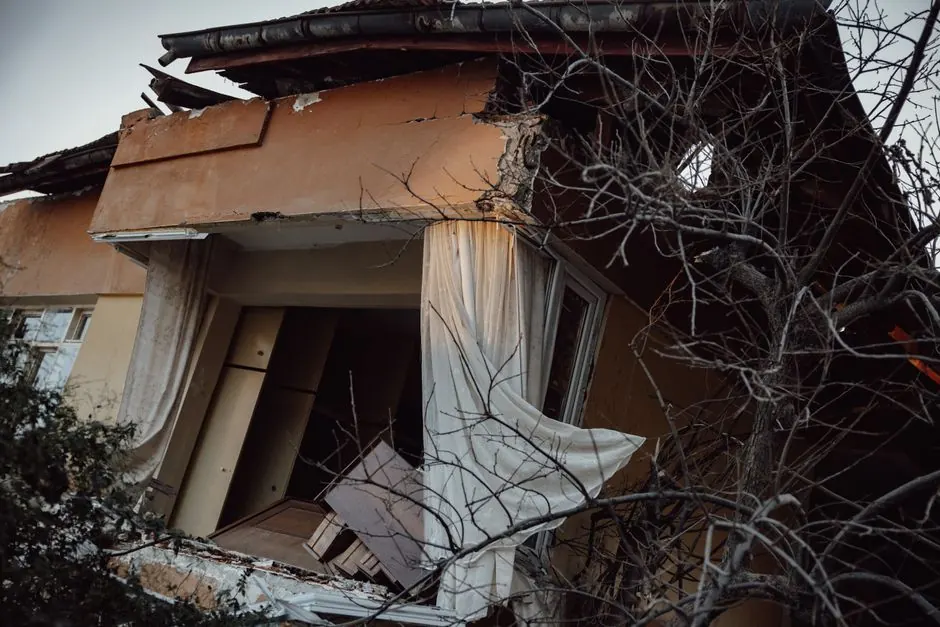
Ice dam water damage restoration in St. Paul Park helps address wet building materials after meltwater has entered through a roof edge. Water may affect attic insulation, ceilings, wall cavities, and flooring before the source is obvious. Minnesota Ice Dam Pros evaluates the visible impact, identifies areas needing attention, and helps homeowners plan drying and repair work suited to the property and the extent of the winter intrusion.

Map visible water damage across ceilings, walls, and attic areas.

Promise

“We inspect accessible areas for staining, dampness, damaged finishes, and other signs that water has spread beyond its first point of entry. In St. Paul Park homes, attic configurations and ceiling assemblies vary, so…”

— St. Paul Park customer
Mapping Affected Materials +

We inspect accessible areas for staining, dampness, damaged finishes, and other signs that water has spread beyond its first point of entry. In St. Paul Park homes, attic configurations and ceiling assemblies vary, so the review follows the observed path rather than assuming damage is limited to one room. Findings guide a focused restoration plan.

Planning Appropriate Drying +

Wet materials may need prompt attention to reduce the chance of lingering moisture. We identify areas requiring drying evaluation and explain when specialized equipment or additional restoration support may be appropriate. The scope depends on how much water entered, how long materials remained wet, and the building conditions at the time.

Coordinating Repair Priorities +

Restoration should follow a clear sequence: address the roof source, evaluate affected materials, and then plan repairs to finishes or insulation. We help St. Paul Park homeowners understand which areas need immediate follow-up and what can wait until conditions are stable. This coordination reduces uncertainty when winter damage involves both exterior and interior work.

  • Map visible water damage across ceilings, walls, and attic areas.
  • Identify materials requiring prompt moisture and drying assessment.
  • Outline restoration priorities after the roof source is addressed.
  • Provide observations to support repair and insurance discussions.
Ceiling and Wall Water Damage Repair in St. Paul Park
Service · #9

Ceiling and Wall Water Damage Repair in St. Paul Park


Ceiling and wall water damage repair in St. Paul Park can restore interior surfaces after ice-dam leaks leave stains, soft spots, or damaged finishes. Homes may have plaster, drywall, textured ceilings, or layered renovations, making a one-size repair unsuitable. Minnesota Ice Dam Pros assesses affected surfaces after the water source is controlled, explains the repair scope, and helps return rooms to a clean, functional condition.

Assessing Interior Surface Damage

We check stained or distorted areas and look for signs that water has reached beyond the visible finish. Older St. Paul Park houses may contain plaster or multiple paint layers, while newer rooms often use different drywall assemblies. Understanding the material helps determine whether localized repair is reasonable or a wider section requires attention.

Preparing Surfaces For Repair

Before patching or refinishing, the source of water must be addressed and affected materials assessed for moisture. We outline the preparation needed, which may include removing unsound finishes and confirming that the area is suitable for repair. This step helps prevent cosmetic work from concealing unresolved damage inside a ceiling or wall.

Matching Room Finishes

A successful repair should fit the existing room as closely as practical. We consider ceiling texture, wall finish, trim transitions, and paint boundaries when describing the work. For homeowners near St. Paul Park's older residential blocks, careful attention to existing surfaces helps make repaired sections blend more naturally with the surrounding interior.

  • Assess stained, blistered, or softened ceiling and wall finishes.
  • Identify surface materials and the apparent extent of damage.
  • Prepare a repair scope after moisture concerns are addressed.
  • Plan patching and finish work to suit surrounding surfaces.

Attic Ice Dam Damage Inspection in St. Paul Park


Attic ice dam damage inspection in St. Paul Park can reveal moisture and roof concerns hidden above the ceiling. When ice blocks drainage, water may reach decking, insulation, or framing before a room shows a stain. Minnesota Ice Dam Pros checks accessible attic areas for visible signs of intrusion and notes conditions that could help explain roof-edge ice, giving homeowners a clearer basis for next steps.

  1. 01

    Looking For Moisture Evidence

    We examine accessible roof decking, framing, and insulation for staining, dampness, or other visible signs consistent with water entry. The attic layout of a St. Paul Park home may be restricted by low clearances or stored belongings, so findings are limited to areas that can be safely reached. Observations help identify where further evaluation may be needed.

  2. 02

    Reviewing Ventilation Conditions

    Attic airflow and insulation patterns can influence roof temperatures and winter ice formation. We look for visible obstructions, uneven insulation, and ventilation details that may merit closer review, without treating a visual inspection as a full energy audit. Local cold spells and variable snow cover make these observations useful when assessing recurring eave ice.

  3. 03

    Recording Inspection Findings

    We summarize accessible areas inspected, signs observed, and any limitations that affected the review. Homeowners can use this information when planning roof repairs, moisture follow-up, or improvements to attic conditions. For St. Paul Park properties, a clear record also helps compare attic observations after future storms or another cycle of freeze and thaw.

  • Inspect accessible attic decking, framing, and insulation for water signs.
  • Note visible ventilation or insulation conditions affecting roof areas.
  • Record inspection limits and areas requiring further evaluation.
  • Summarize findings for roof repair and moisture follow-up planning.
Attic Ice Dam Damage Inspection in St. Paul Park

10 / 10

Service

Residential Ice dam removal

Residential Ice Dam Removal in St. Paul Park

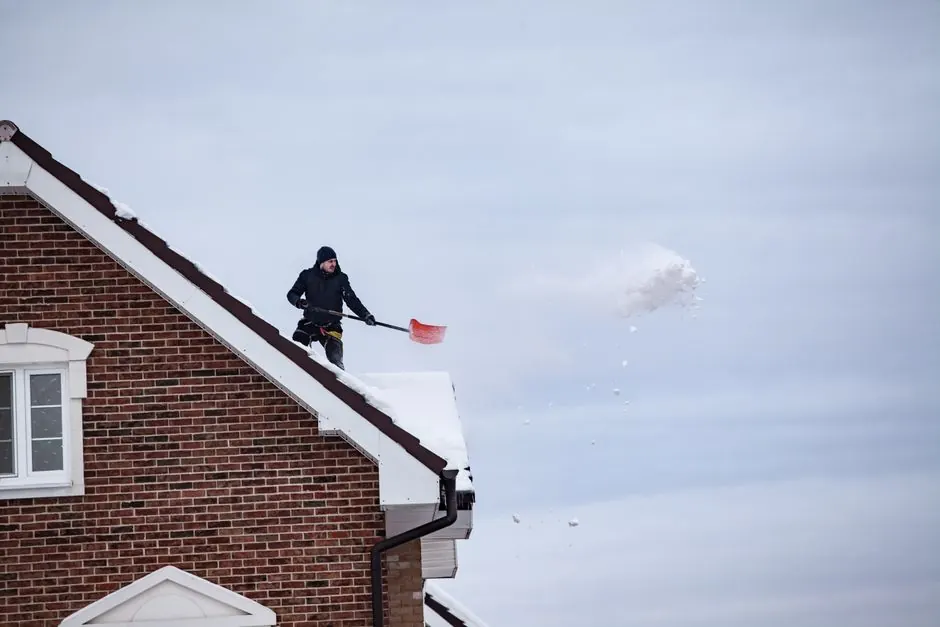
St. Paul Park homes range from established houses with older roof details to remodeled properties and newer construction. Ice dams can affect any of them when meltwater reaches a cold eave and cannot drain. We help homeowners address the roof obstruction, identify active leaks, and check whether water reached an attic or finished room. If you see a ceiling stain, damp insulation, or a frozen gutter, tell us where it is and when it appeared. Our team plans around your driveway, family entry, pets, and the need to keep people clear of falling ice. We use controlled removal methods and explain what we found before leaving, so you know whether the next step is drying, roof repair, or monitoring.

  • Careful roof-edge steam clearing — We use controlled steam to open a path through ice without chopping at your shingles. In St. Paul Park, we first check the roof pitch, gutter condition, and safe access. You will know which eave sections were cleared and whether drainage appears open before the crew packs up.
  • Emergency leak response — If water is entering a bedroom or hallway, we prioritize the active leak and the roof-edge blockage. In St. Paul Park, tell us whether the drip is near a light, exterior wall, or ceiling seam. We work to control the source and identify interior areas that need protection or drying.
  • Attic moisture inspection — A roof leak can leave wet insulation or hidden moisture after the visible dripping stops. We inspect accessible attic areas in your St. Paul Park home and use a moisture meter where useful. You get a clear explanation of the affected materials and the drying or repair steps to consider.
  • Gutter and downspout clearing — Frozen outlets can keep meltwater trapped at the roof edge. We check the gutter, downspout, and discharge point at your St. Paul Park property, then clear accessible blockage carefully. We also look for sagging or detached sections and keep runoff away from walkways where possible.
Commercial Ice dam removal

Commercial Ice Dam Removal in St. Paul Park

St. Paul Park businesses need roof work planned around entrances, staff schedules, deliveries, and customers. Small offices, shops, service buildings, and community facilities can have flat or pitched roof sections, parapets, and drainage details that behave differently in a freeze-thaw cycle. We coordinate with the person responsible for the property, set a work zone, and identify whether ice threatens an entrance or active leak affects interior operations. If you need how to remove an ice dam without closing a business entrance longer than necessary, we plan a focused work area and explain the safe reopening point. The actual schedule depends on weather and access, but clear site coordination keeps the work organized.

Retail and local shopsOffice propertiesCommunity facilitiesLight industrial buildingsSmall multifamily properties

Common St. Paul Park Ice Problems

St. Paul Park's winter pattern can bring snow accumulation, daytime warming, and overnight refreezing, creating conditions for ice dams and gutter ice blockage. The city's housing includes older homes, remodeled properties, and newer construction, so attic insulation and roof ventilation differ by building. Ice dam removal is not a substitute for correcting a persistent heat-loss or drainage issue, but it can address an immediate obstruction. We inspect the specific roof and do not assume a common cause without evidence.

Ice dams form where meltwater refreezes along cold eaves.

Snow on the upper roof can melt while the eaves remain colder. Water then refreezes at the edge and builds a barrier. Repeated temperature swings in Minnesota can enlarge that barrier, especially when the drainage path is already restricted by ice or debris.

Frozen downspouts leave meltwater trapped in the gutter.

Water can freeze inside a downspout when temperatures drop after a thaw, leaving later runoff with nowhere to go. Ice may also build around an outlet or at the discharge point. A frozen pipe-like column can be hidden from view until the gutter overflows.

Roof leaks appear indoors well away from the ice ridge.

Water entering near an eave can move along roof framing or underlayment before appearing at a ceiling seam or wall. Dormers, additions, and intersecting roof planes can redirect it. The first visible stain therefore may not sit directly under the roof entry.

Attic moisture remains after the visible dripping stops.

Insulation and framing can retain water after an ice-dam leak closes or the weather changes. A surface stain may dry while moisture remains deeper in the material. Poorly sealed attic areas can also complicate how moisture is distributed through a roof assembly.

When to Call for Ice Dam Removal

Call for ice dam removal in St. Paul Park when water appears at an exterior wall, ceiling, or window during a thaw, especially if a visible ice ridge blocks the eaves. Do not climb onto a snow-covered roof or strike the ice with a hammer; both can damage roof materials or create a fall hazard. If you are searching for how to stop an ice dam leak before the ceiling is damaged, the first step is to control the roof-edge blockage and identify where water has traveled. These signs help you decide when to call.

  • Water stains forming near an outside wall

    A brown or yellow ceiling mark near an exterior wall can indicate water traveling beneath the roof edge. If the stain grows during a thaw or feels damp, treat it as an active leak. Move belongings and call for an inspection; do not cover the area before the source is found.

  • Dripping from a ceiling after daytime melting

    A drip that appears during warmer daylight hours and slows overnight can fit an ice-dam pattern. Water may be pooling behind the ice and entering through a roof detail. Place a container under the drip, keep clear of nearby electrical fixtures, and report whether the flow is continuing.

  • A thick ice ridge at the roof edge

    A raised band of ice along the eaves can block water from leaving the roof. The ridge alone does not prove a leak, but it becomes urgent when water backs up or indoor stains appear. Avoid chipping at it; force can tear shingles, bend gutters, or create falling ice.

  • Gutters bulging with ice or pulling loose

    A gutter loaded with ice can sag, separate from the fascia, or conceal a frozen outlet. If it is visibly pulling away, keep people and vehicles out from beneath it. We check the attachment and drainage route before deciding whether ice removal or a repair is needed.

  • Damp attic insulation beneath the eaves

    Wet or compressed insulation can hold moisture after the visible roof leak stops. Check only from a safe attic access point and avoid touching wiring or unstable materials. Damp insulation, musty odor, or darkened sheathing calls for an inspection so hidden structural moisture is not missed.

Local Landmarks for St. Paul Park

St. Paul Park's street grid and river setting make a precise address more useful than a landmark alone, so we confirm the house number and nearest cross street before dispatch. The Mississippi River is a broad geographic reference, while city facilities and the local school campus help distinguish central routes. We do not stage work at public landmarks; they simply help orient a route to a nearby residential or commercial address.

Mississippi River

The Mississippi River forms a clear geographic reference along St. Paul Park's eastern side. It helps distinguish river-oriented streets from routes farther inland, but the exact property address remains necessary for navigation.

St. Paul Park City Hall

City Hall is a recognizable civic location within St. Paul Park and can help orient visitors to the central part of the community. We use nearby street names and the customer's address to complete navigation.

St. Paul Park Primary School

The school is a local reference point for the surrounding street network. It can help identify nearby residential blocks, while access to a service address is planned separately to avoid school traffic and keep equipment clear of public entrances.

Coverage across St. Paul Park & Washington County

55071

Plus surrounding Washington County neighborhoods, with same-day routing on most appointments.

St. Paul Park Ice Dam Seasons

As October gives way to colder weather, St. Paul Park homeowners can use fall to check attic conditions, gutters, and roof drainage before snow arrives. Winter brings the highest ice-dam concern as snow melts and refreezes at eaves. Spring thaw can reveal leaks that were hidden under snow, while summer is the best time to address contributing roof or insulation issues. If you wonder when to schedule ice dam prevention in St. Paul Park, use fall for preparation and call promptly for any active winter leak.

Spring

Spring thaw can send water across a roof after weeks of snow cover. Ice may remain in shaded gutters or downspouts after the main roof surface clears. Stains, damp attic insulation, and soft drywall can become visible as indoor temperatures and outdoor conditions change.

Tip: After snowmelt, check ceilings and accessible attic areas for dampness. Report lingering stains or musty odors before repainting, and have blocked gutters cleared when they can be accessed safely.

Summer

Ice-dam calls are uncommon in summer, but this is a useful time to find roof details that contributed to winter trouble. A damaged shingle, loose flashing, or uneven gutter may be easier to inspect without snow and ice. Previous water damage also needs complete drying and repair.

Tip: Use the dry season to address confirmed roof defects and review attic insulation. Keep records of winter leak locations so the roof and interior can be checked before the next snow season.

Fall

October and late fall are preparation months in St. Paul Park. Leaves and debris can reduce gutter capacity, while early cold snaps may freeze standing water. The roof is easier to inspect before sustained snow cover, and attic conditions can be checked before the heating season settles in.

Tip: Clear gutters before winter, confirm downspouts discharge away from walkways, and arrange roof repairs while access is open. Do not enter an attic if wiring, flooring, or access conditions are unsafe.

Winter

Winter brings the main risk: snow can melt on warmer roof sections and refreeze at colder eaves. Repeated freeze-thaw periods can enlarge an ice ridge, block gutters, and push water toward the roof underlayment. Heavy snow also calls for attention to roof loading and safe access.

Tip: Call if a ceiling begins dripping or an ice ridge blocks drainage. Keep people clear of falling ice and avoid climbing or chopping at the roof. Tell us whether the leak is active and which room is affected.

St. Paul Park Ice Dam Removal FAQs

Real answers from our team for the questions we hear most often before a job starts.

How much does ice dam removal cost in St. Paul Park?
A straightforward steam-removal visit in St. Paul Park commonly runs about $300-$800, while complex or emergency work can reach $800-$1,500 or more. Roof height, ice volume, access, and active leaks affect the price. We explain the price for the agreed task before starting. If water has entered drywall or attic insulation, drying or interior repair is a separate part of the work.
How long does ice dam removal take in St. Paul Park?
A simple, accessible ice-dam job often takes about 1-3 hours; extensive or difficult roof work can take longer. Time depends on roof pitch, the length and thickness of the ice, and whether gutters or downspouts are frozen. We inspect the blockage and access first, then work in controlled sections. An active indoor leak can also require a separate moisture check after the roof edge is cleared.
Can steam ice dam removal damage shingles?
Properly controlled steam is designed to loosen ice without striking shingles, and it is generally gentler than chopping or hammering. The operator still needs to control the nozzle, heat, and direction of work for the specific roof. We avoid forcing ice against the roof surface and check the drainage route as we clear it. Tell us about loose, damaged, or aging shingles before work begins.
When should I call for emergency ice dam removal?
Call immediately if water is actively dripping through a ceiling, entering a wall, or threatening electrical fixtures. Move belongings, place a container under the drip if safe, and keep away from wet electrical areas. Emergency ice dam removal addresses the roof-edge blockage; indoor materials may also need moisture checks and drying. Tell us which room is affected and whether the leak is continuing.
What should I do about a frozen gutter or downspout?
Keep clear of ice that could fall, and do not use a ladder or pour boiling water into a frozen gutter. A blocked outlet can trap meltwater and contribute to roof-edge backup. We inspect the gutter and downspout route, clear accessible ice carefully, and check where runoff will go. Mention any gutter sagging or water spilling near an entrance when you call.

Call for Ice Dam Removal in St. Paul Park

If a roof leak is active or ice is blocking drainage, call Minnesota Ice Dam Pros and tell us what you see. We serve St. Paul Park homes and businesses with emergency response, controlled steam removal, and follow-up moisture checks. Our crews follow OSHA fall protection requirements for roof work. Have your address, roof access details, and affected room ready so we can plan the right response.

Call for Service Send a Message

Contact Minnesota Ice Dam Pros

Call +1 612-555-0100 for ice dam removal or frozen pipe help across Minnesota. We take urgent calls around the clock and respond with practical questions about the leak, roof access, or water service so we can direct the right crew. Share your community and what you see; we will explain the next step and pricing before work starts.

Or call us right now at +16125550100 — we answer.

Minnesota Ice Dam Pros


  • Phone

    +16125550100
  • Address

    Minnesota

  • Hours

    Mon–Fri: 7AM – 7PM
    Sat: 8AM – 4PM
    Sun: Emergency Only
    24/7 Emergency Available

Call +16125550100 Get Quote
Call Quote