




Residential Ice Dam Removal in St. Peter
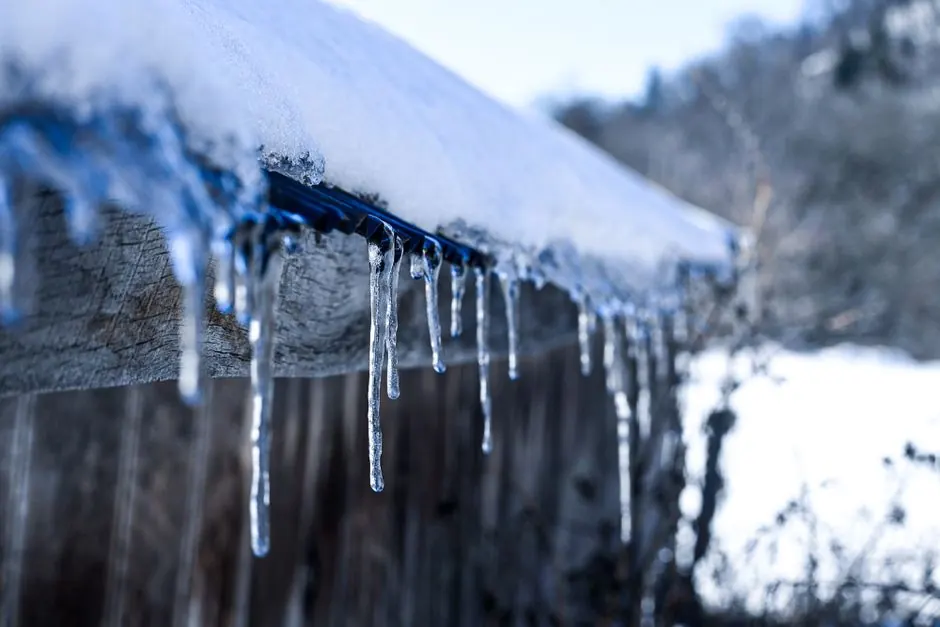
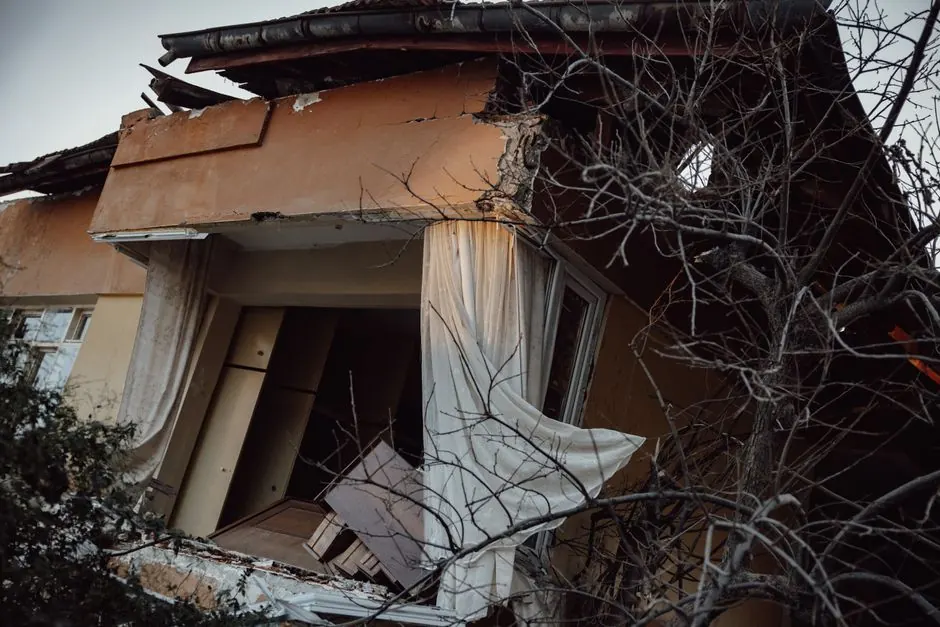
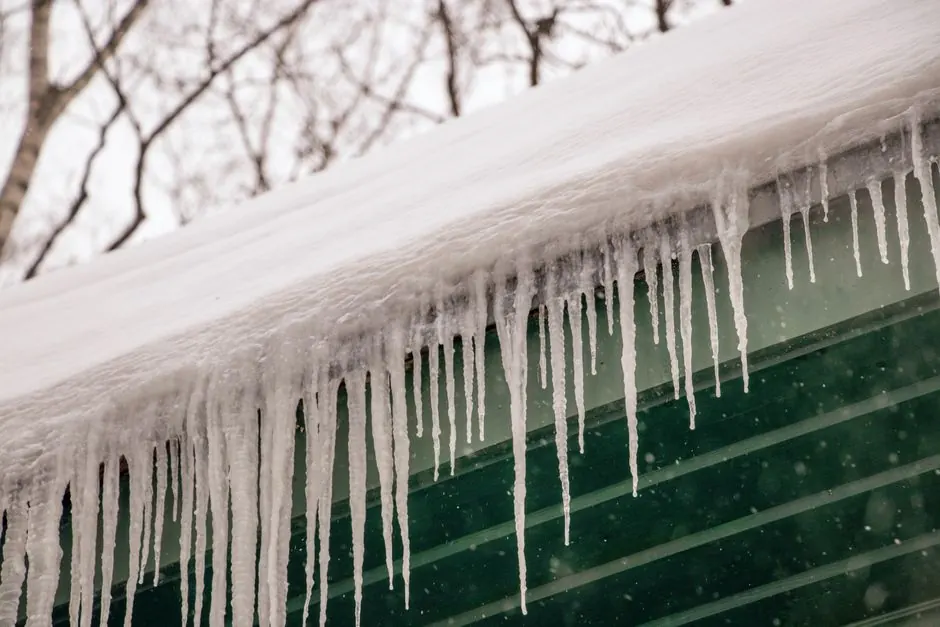
St. Peter homes range from older houses near the city center to larger homes with garages, porches, and additions. Each roof sheds and retains snow differently, and a visible ice ridge may sit above a finished bedroom, kitchen, or living room. We start with what you have noticed: a ceiling stain, dripping at a window, ice-filled gutters, or a leak that returns after every thaw. Our crew checks the roof edge and, where accessible, the attic for damp insulation or a clear water path. We use controlled removal methods and plan around children, pets, parked cars, sidewalks, and the safest place to work. If steam ice dam removal resolves the immediate blockage but moisture has already entered, we can also assess drying and ceiling repair needs. You get a practical sequence for protecting the home, not just a cleared patch of ice.
- Steam removal at roof eaves — We use controlled steam to loosen the ridge and open a path for water without striking shingles. In St. Peter, the affected eave may sit above a bedroom or addition, so we identify the roof plane and protect the ground area before work begins. We check visible drainage after the blockage is cleared.
- Attic moisture inspection — If you have a ceiling stain or recurring drip, we inspect accessible attic areas for wet insulation and water marks. A moisture meter helps compare the suspect section with nearby material. In St. Peter homes, this check helps separate an old stain from moisture that still needs drying.
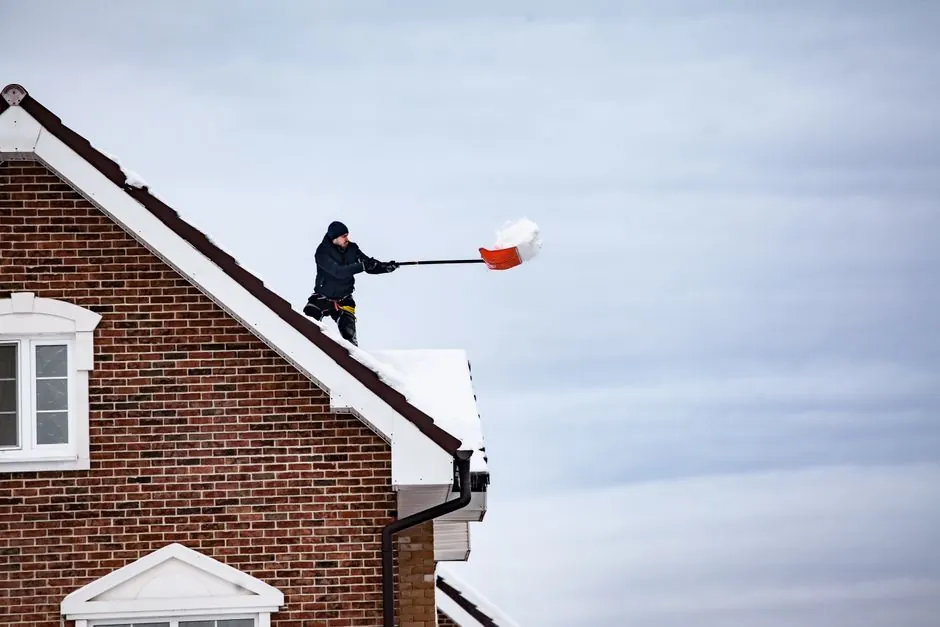
- Roof snow load reduction — When snow is feeding runoff toward an ice-blocked eave, we can remove selected snow with a roof rake from an appropriate safe position. We do not scrape shingles bare. St. Peter homeowners benefit from addressing the section that is contributing to the obstruction while preserving the roof surface.
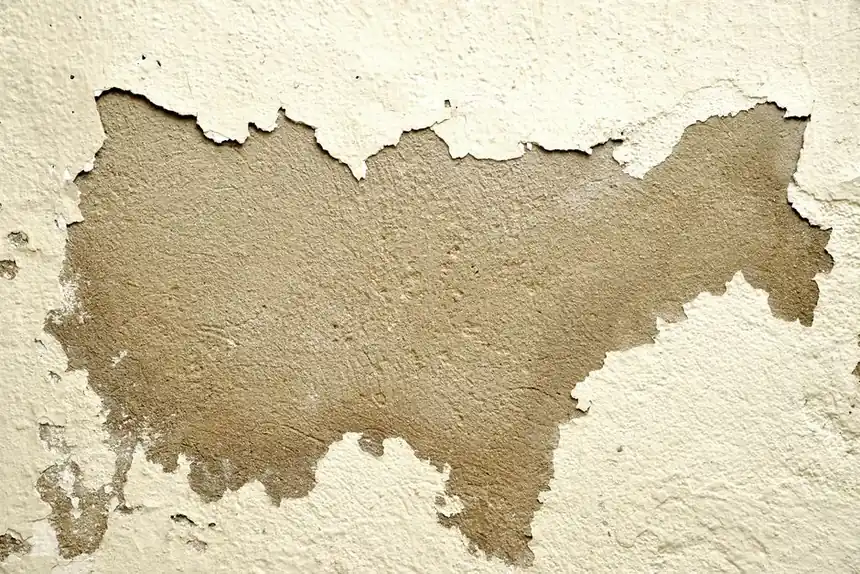
- Ceiling leak response — We connect the visible ceiling symptom with the roof area above it, then explain whether the next step is water containment, drying, or drywall repair. In St. Peter houses, water can travel along framing before appearing indoors, so we do not assume the stain marks the entry point.