
Logo
Get Estimate

Ice dam removal in Wabasha for safer roofs

Ice dam removal in Wabasha starts with protecting your roof and stopping meltwater before it reaches ceilings and walls. Minnesota Ice Dam Pros works across Wabasha, Minnesota, where snow, freeze-thaw swings, and older roof details can put pressure on shingles, flashing, and gutters. We use controlled steam methods where appropriate, clear drainage paths, and check for signs of water intrusion so you know what needs attention next.

Call for Service Request Help
Emergency service Service area Phone support
Licensed Licensed & Bonded
Fully Insured Insured & Bonded
24/7 Emergency Same-Day Response
Warranty Backed Workmanship Guaranteed in Wabasha
Wabasha

Ice dam removal in Wabasha, Minnesota


Ice dam removal in Wabasha is a roof and drainage service that removes ice barriers so melting snow can drain safely and reduce the risk of water entering the building. We serve homes and small commercial properties around downtown Wabasha, the riverfront, residential streets near the National Eagle Center, and properties along the routes connecting the city with Lake City and Kellogg. Winter weather along the Mississippi River can bring snow cover followed by daytime melting and overnight refreezing, a pattern that can build ice at eaves and in gutters.

Our crew assesses the roof surface, access, drainage, and any visible leak indicators before choosing a removal method. Steam ice dam removal uses carefully controlled heat rather than impact tools that can damage roof shingles or metal roofing. We also offer roof snow removal, gutter ice removal, and ice dam roof leak repair when the problem extends beyond the ice itself. If you have water staining indoors, we can inspect affected areas and identify the next practical step.

  • Locally licensed and insured in Wabasha
  • Same-day diagnostics and written estimates
  • Real workmanship warranty in writing
  • Background-checked, in-house technicians

Roof and ice services across Wabasha

Ice dams in Wabasha often become urgent after a snowfall is followed by a mild afternoon and a hard overnight freeze. Water can back up at the eaves, travel beneath shingles, and show up indoors as a stain well away from the roof edge. If you are searching for how to remove an ice dam without damaging shingles, our first step is to inspect the roof and choose a controlled method suited to its material and access. We handle removal, snow load reduction, gutter drainage, leak response, and interior drying so you can address the whole problem.

Ice Dam Removal

Ice Dam Removal

We assess the ice barrier, roof edge, and safe access before removing buildup from Wabasha homes and small commercial buildings. Our crew uses controlled techniques to open drainage channels without chopping at shingles or flashing. We also look for recurring trouble spots such as shaded eaves, valleys, and gutter transitions, then explain what should be monitored after the work.

View Details
Emergency Ice Dam Removal

Emergency Ice Dam Removal

When water is actively entering a Wabasha home or business, we prioritize the roof condition and the path of the leak. We identify the affected eave or valley, remove the immediate ice blockage where safe, and help limit further interior exposure. If water has reached a ceiling, we document visible conditions and recommend appropriate drying or repair steps.

View Details
Steam Ice Dam Removal

Steam Ice Dam Removal

Steam is a controlled option for removing thick ice without striking the roof surface. In Wabasha, we select the equipment and approach based on roof pitch, material, snow depth, and access. A low-pressure steam generator and commercial steam hose and nozzle help our crew make a drainage path while limiting stress on roof shingles and metal roofing.

View Details
Roof Snow Removal

Roof Snow Removal

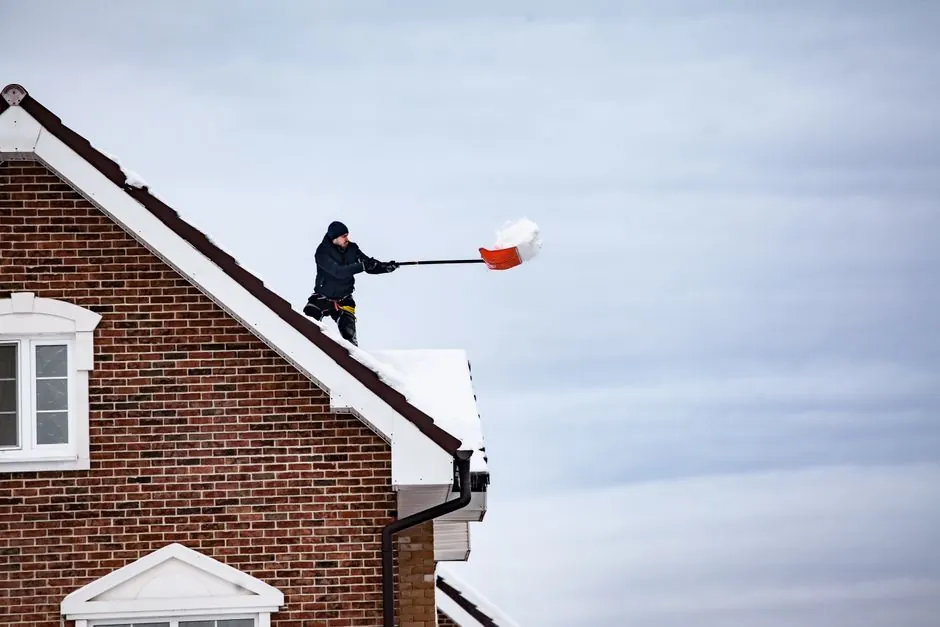
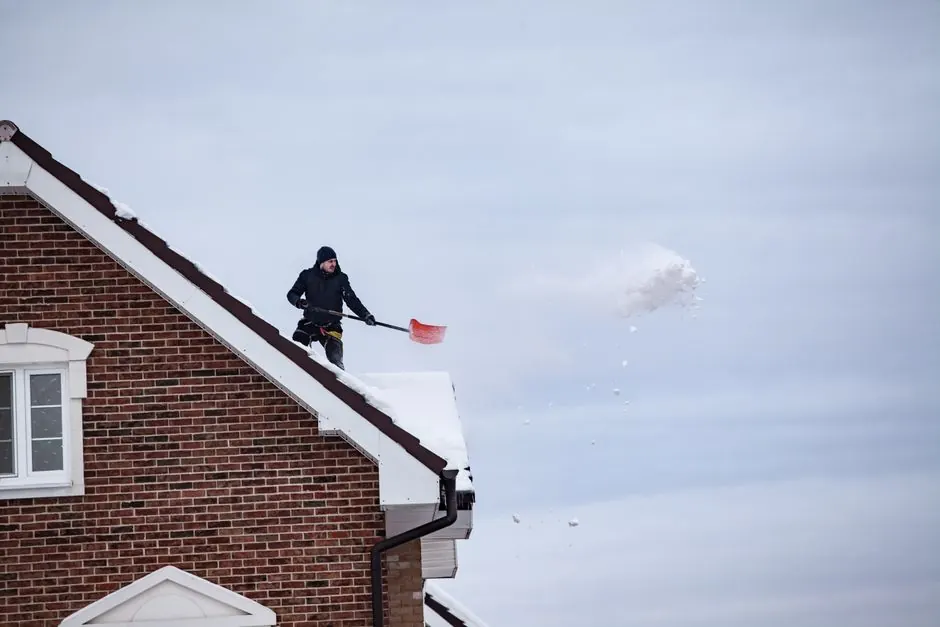
Heavy snow can add load and provide the meltwater that feeds an ice dam. We remove roof snow in measured sections on Wabasha properties, paying attention to roof edges, valleys, and areas above entrances. The goal is to reduce excess accumulation while avoiding abrupt load shifts or damage to the roof surface.

View Details
Gutter Ice Removal

Gutter Ice Removal

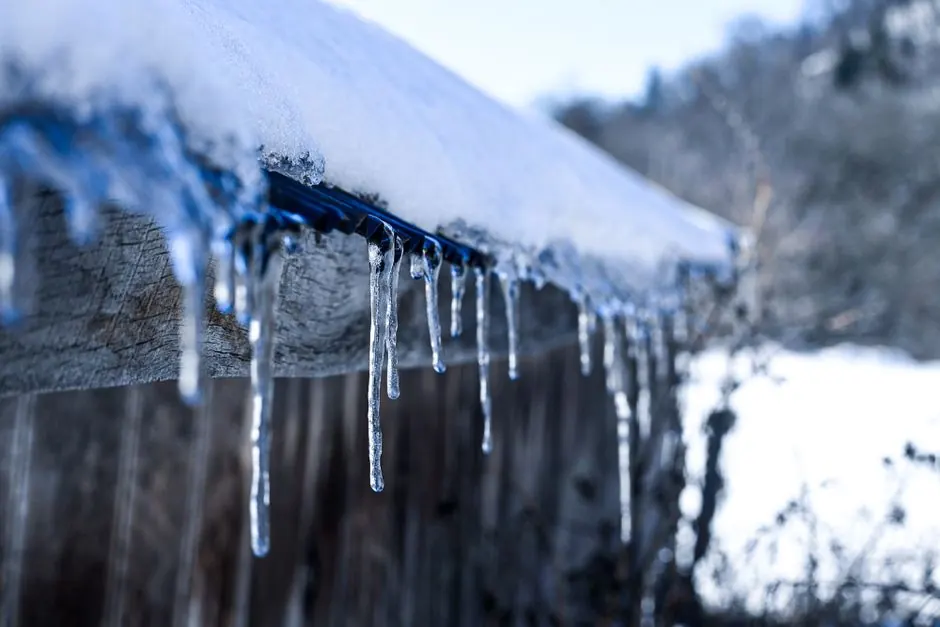
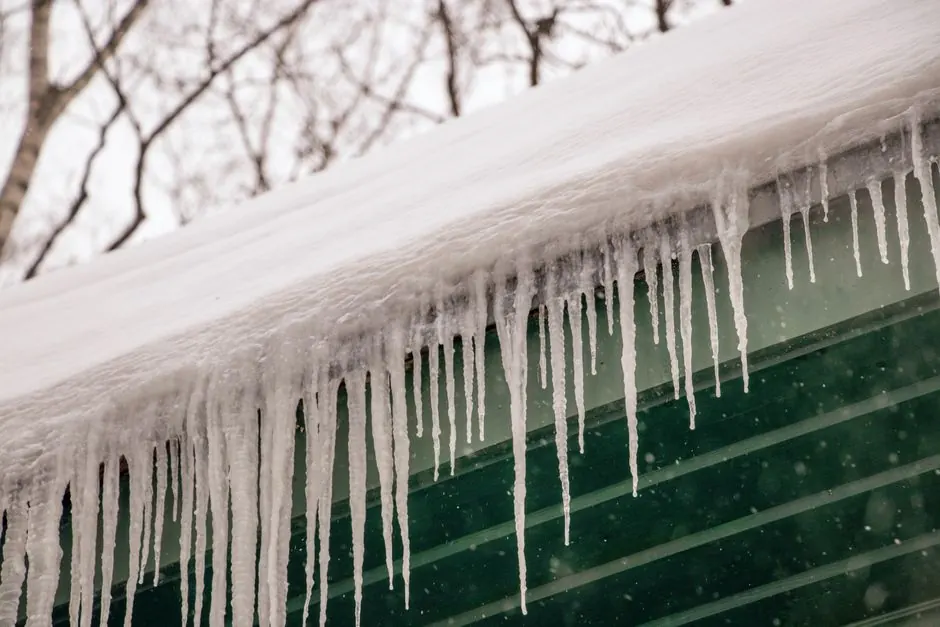
A frozen gutter can keep meltwater from leaving the roof edge and can contribute to overflow near fascia and soffits. We clear accessible ice carefully and check whether the gutter is holding water or pulling away from its fasteners. In Wabasha, this is especially useful after repeated freeze-thaw cycles leave a solid blockage along the eaves.

View Details
Gutter and Downspout Clearing

Gutter and Downspout Clearing

We clear debris and ice from gutters and downspouts so water has a continuous route away from the roof. Wabasha properties with long downspout runs or tight access beside garages need a deliberate plan for meltwater and discharge. We check visible joints and outlets, then identify frozen sections that need follow-up rather than forcing a blocked pipe.

View Details
Ice Dam Roof Leak Repair

Ice Dam Roof Leak Repair

An ice dam leak needs attention at the roof and inside the building. We trace visible water indicators, inspect nearby roof flashing and vulnerable transitions, and address the immediate ice condition when safe. For Wabasha customers, we distinguish an active leak from old staining and outline whether roof repair, interior drying, or both are needed.

View Details
Ice Dam Water Damage Restoration

Ice Dam Water Damage Restoration

If meltwater has reached insulation, framing, or finishes, removing ice is only part of the response. We assess the affected area, check moisture levels, and set drying equipment when conditions call for it. Our Wabasha restoration work focuses on limiting concealed moisture and documenting the affected materials before repairs move forward.

View Details
Ceiling and Wall Water Damage Repair

Ceiling and Wall Water Damage Repair

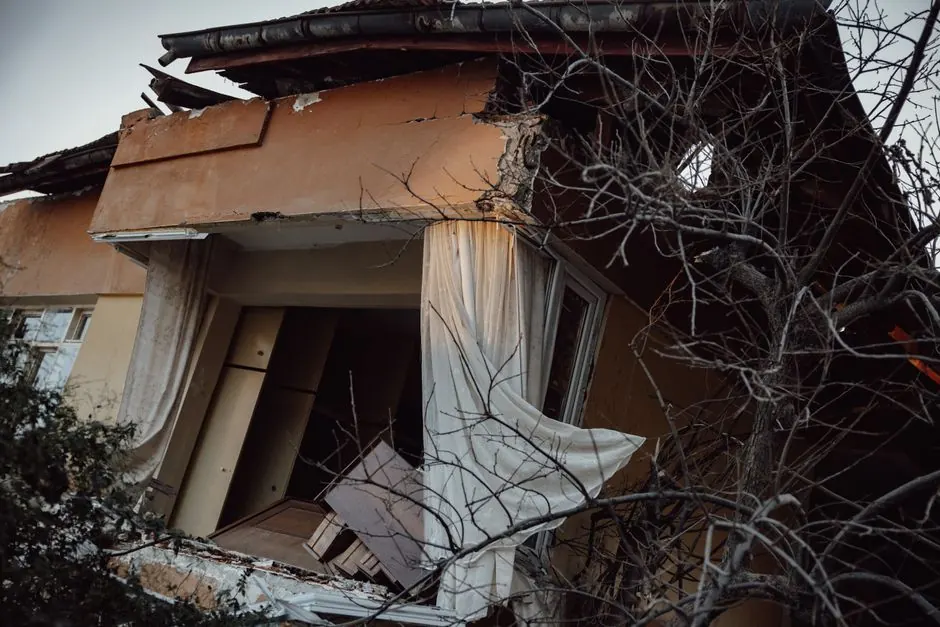
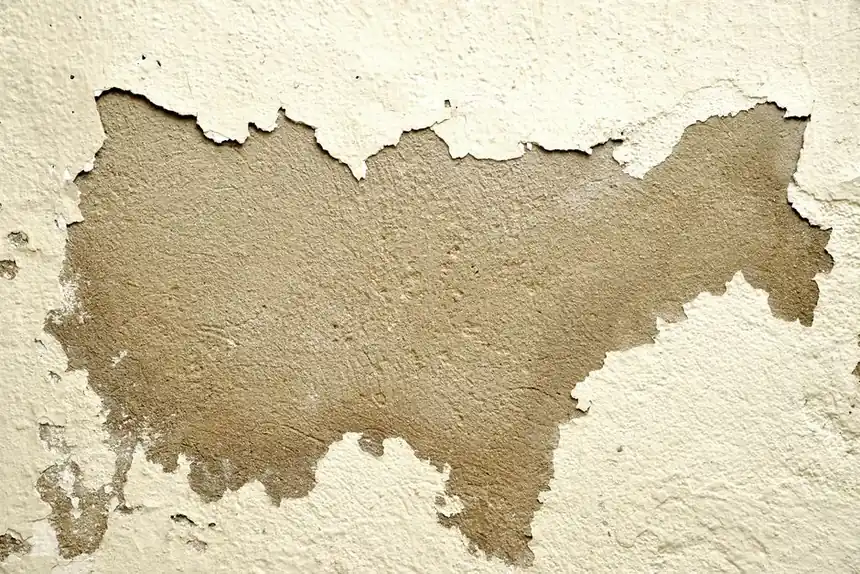
Water stains, softened drywall, and peeling paint can follow an ice dam leak even after the roof stops dripping. We inspect the affected ceiling or wall, determine whether materials remain damp, and plan drying before finish repairs. Wabasha homeowners get a clear sequence for handling the leak source, moisture, and damaged interior surfaces.

View Details
Attic Ice Dam Damage Inspection

Attic Ice Dam Damage Inspection

An attic inspection helps find water that has not yet reached a finished room. We check roof sheathing, insulation, framing, and ventilation pathways for signs of intrusion or compressed insulation. In Wabasha, this is useful after an ice dam has formed above bedrooms or additions, where hidden moisture can persist after the visible roof ice melts.

View Details
Ice Dam Removal in Wabasha
Service · #1

Ice Dam Removal in Wabasha


Ice dam removal in Wabasha helps protect homes when freeze-thaw cycles build heavy ridges along roof edges. Our crews serve historic homes near downtown, riverfront properties, and newer houses across the city, adapting methods to each roof's age and materials. We assess the ice, explain the safest removal approach, and work carefully around shingles, flashing, and landscaping to reduce the chance of damage during Minnesota's long winter.

Careful Roof Edge Assessment

Before removal, technicians examine roof pitch, ice thickness, drainage paths, and visible signs of trapped water. This ice dam removal service in Wabasha accounts for older downtown roofs with layered shingles as well as modern rooflines on the city's outskirts. A focused assessment identifies vulnerable valleys and eaves, helping crews choose a controlled treatment that avoids unnecessary contact with roofing materials.

Controlled Ice Clearing Methods

We break the blockage into manageable sections and open channels so meltwater can drain rather than pool behind the ridge. Homes near the Mississippi River can face sharp temperature changes and recurring freeze-thaw conditions, making careful sequencing important. Crews protect gutters and nearby surfaces, then check the cleared edge for remaining obstructions that could quickly refreeze in Wabasha's cold weather.

Protecting Nearby Interiors

Ice removal is only part of protecting a home; we also look for clues that water has already moved beneath the roof. On older houses near Slippery's Avenue and residential streets by the river, attic staining or damp insulation may reveal hidden seepage. We communicate any concerns promptly and recommend appropriate next steps, giving homeowners a clearer picture of roof and interior conditions.

  • Assess roof edges, valleys, and ice buildup before selecting removal methods.
  • Clear drainage channels without striking shingles, flashing, or gutter seams.
  • Protect entryways and landscaping beneath active work areas.
  • Review cleared eaves and report visible signs of water intrusion.

Emergency Ice Dam Removal in Wabasha


Emergency ice dam removal in Wabasha is available when backed-up meltwater threatens ceilings, walls, or valuable belongings. Minnesota Ice Dam Pros responds to urgent calls from downtown homes, riverfront properties, and neighborhoods near Wabasha-Kellogg schools. We first identify the active leak and the ice obstructing drainage, then prioritize a safe opening that limits further water entry while accounting for roof access, weather, and the building's condition.

  1. 01

    Rapid Leak Threat Triage

    When water is dripping indoors, we ask where it appears, when it began, and whether it is spreading. Our emergency ice dam response in Wabasha prioritizes active leaks in occupied rooms, electrical areas, and spaces holding sensitive belongings. The crew evaluates exterior ice and interior symptoms together, helping establish an immediate work plan while avoiding rushed decisions that could damage brittle roofing.

  2. 02

    Urgent Drainage Access

    A blocked eave can keep meltwater trapped even after indoor dripping slows. Technicians carefully open drainage routes at the most consequential sections, paying attention to roof transitions common on older downtown properties and additions. In severe cold, ice can reform quickly, so we check water movement and advise homeowners about temporary precautions while the roof edge returns to a safer draining condition.

  3. 03

    Clear Updates During Response

    Urgent situations are stressful, especially when a Wabasha home has wet ceilings or stored items below the leak. We explain what the crew can address immediately, what conditions may require follow-up, and which areas deserve monitoring. Our communication helps owners distinguish emergency stabilization from later repairs, with practical guidance tailored to the property, current snowfall, and overnight temperatures.

  • Prioritize active leaks and identify the roof-edge blockage feeding them.
  • Open targeted drainage paths to reduce continued water backup.
  • Protect indoor contents beneath affected ceilings during emergency work.
  • Provide immediate findings and clear recommendations for follow-up.
Emergency Ice Dam Removal in Wabasha

02 / 10

Service

5+ YEARS · WABASHA

Steam Ice Dam Removal in Wabasha

Steam ice dam removal in Wabasha uses controlled heat to release ice while limiting direct force against the roof. This approach suits many local homes, from older downtown houses with delicate shingle edges to river-area properties exposed to drifting snow. Our technicians assess the roof and ice first, then guide steam along selected sections to restore drainage while protecting roofing components and minimizing disturbance to the surrounding property.

Low Impact Ice Release

Steam loosens ice in measured passes rather than relying on chopping or prying. For homes near Wabasha's historic center, where aged shingles and repaired roof sections may be present, that controlled contact can help reduce avoidable stress. The crew adjusts the work to the ice thickness and roof layout, opening channels in stages so water has a clear route away from the eaves.

Equipment Matched To Roofs

Our team considers roof pitch, access points, and the location of gutters before setting up steam equipment. Narrow lots and close-set homes around downtown call for deliberate hose routing and careful protection of walks and entrances. On broader riverfront properties, wind and exposure can affect how quickly ice reforms, so technicians monitor conditions and keep the treatment focused on obstructed drainage areas.

Post Treatment Drainage Check

Once ice has been released, we verify that water can move through the newly cleared sections instead of collecting behind remaining ridges. Wabasha's cold snaps can refreeze runoff near shaded eaves, so the inspection includes visible gutters, valleys, and roof transitions. We explain any persistent restrictions and note signs of possible leakage, helping homeowners understand what the steam treatment resolved and what merits attention.

  • Apply controlled steam to loosen ice without aggressive roof impact.
  • Route equipment carefully around walkways, landscaping, and neighboring structures.
  • Clear selected eaves and valleys to restore runoff pathways.
  • Check treated roof edges for drainage and remaining ice obstructions.
Roof Snow Removal in Wabasha

Roof Snow Removal in Wabasha


Roof snow removal in Wabasha can reduce excess loading and help limit the meltwater conditions that contribute to ice dams. We serve houses near the river, compact downtown properties, and residential areas toward Highway 61, where roof designs and snow exposure vary. Crews assess accumulation, access, and roof construction before clearing selected areas, leaving a protective layer when appropriate and keeping people and property below the work zone in mind.

Measure snow depth and identify uneven accumulation across roof sections.

Promise

“Not every roof needs complete snow clearing, so our first step is to evaluate depth, distribution, and visible stress. On older Wabasha homes with additions or varied roof pitches, drifting can create uneven loads at …”

— Wabasha customer
Snow Load And Roof Review +

Not every roof needs complete snow clearing, so our first step is to evaluate depth, distribution, and visible stress. On older Wabasha homes with additions or varied roof pitches, drifting can create uneven loads at transitions. This roof snow clearing assessment identifies priority sections and helps determine a measured approach that preserves roofing materials while reducing accumulation where it poses the greatest concern.

Targeted Snow Bank Removal +

Crews clear snow from selected roof areas while avoiding harsh scraping that could catch shingles or damage metal edges. Properties exposed to open river winds may collect uneven banks, while sheltered blocks can hold dense, settled snow. We work from safe access points, control where snow lands, and leave appropriate coverage when needed to avoid direct tool contact with the roof surface.

Managing Winter Runoff Risk +

Removing snow strategically can reduce the volume available to melt and refreeze along cold eaves. In Wabasha's frequent winter temperature swings, roof orientation and shade influence runoff patterns, particularly on houses with long north-facing edges. After clearing, we check the roofline for visible ice buildup and explain whether blocked gutters or existing ridges may still require separate attention.

  • Measure snow depth and identify uneven accumulation across roof sections.
  • Remove priority snow banks using roof-appropriate tools and access.
  • Control falling snow away from entrances, vehicles, and plantings.
  • Inspect exposed eaves for ice buildup after snow clearing.
Gutter Ice Removal in Wabasha
Service · #5

Gutter Ice Removal in Wabasha


Gutter ice removal in Wabasha restores space for runoff where frozen water has packed channels or outlet points. Homes throughout the city, including older downtown buildings and riverfront residences, may develop gutter blockages after snowmelt refreezes during cold nights. Our technicians inspect the gutter system and adjacent roof edge before clearing, choosing a careful method that respects the condition of hangers, seams, and the fascia beneath the ice.

Inspecting Frozen Gutter Runs

We locate the extent of ice, check whether water is trapped behind it, and note sagging or separated sections. For gutter ice removal service in Wabasha, close attention matters on older homes where replacement sections may connect to original hardware. The inspection also checks outlets and downspout entrances, since clearing only the visible front edge may leave the primary drainage restriction untouched.

Clearing Without Pulling Gutters

Ice can add substantial weight to already stressed gutters, so technicians work in controlled stages rather than forcing frozen sections loose. Narrow downtown lots and elevated eaves call for careful setup that protects people moving below. We address accessible blockages while monitoring brackets and seams, and stop if the gutter shows signs that continued pressure could cause additional separation or damage.

Restoring Safe Water Flow

After clearing, we confirm that open sections can accept runoff and identify any outlet that remains obstructed. Wabasha's snow and freeze-thaw cycles can quickly recreate ice at shaded corners, especially where roof discharge is concentrated. We explain observed limitations and advise whether the system needs a later repair or routine cleaning so homeowners can plan beyond the immediate winter blockage.

  • Locate frozen gutter sections, blocked outlets, and visible bracket strain.
  • Remove accessible ice in stages to limit stress on gutters.
  • Clear drainage openings where ice prevents water from passing through.
  • Document gutter damage and recommend appropriate repair follow-up.

Gutter and Downspout Clearing in Wabasha


Gutter and downspout clearing in Wabasha helps move roof runoff away from homes before winter freezes turn debris into stubborn blockages. In leafy downtown streets and properties near the Mississippi River, gutters can collect leaves, roof grit, and seasonal debris. We clear accessible channels and outlets, check that water can pass through the downspouts, and flag damaged sections that could contribute to overflow, ice buildup, or moisture near the foundation.

  1. 01

    Clearing Leaves And Debris

    Technicians remove accumulated leaves, seed pods, and roof granules from gutter runs, paying attention to corners where debris settles. On older Wabasha homes with mature trees, routine gutter clearing can reduce the chance that damp material freezes into a solid obstruction. We work along the system methodically and collect removed debris rather than leaving it scattered around walkways or planting beds.

  2. 02

    Checking Downspout Passage

    A clear gutter cannot drain properly if the downspout is plugged at its inlet, bend, or lower outlet. Our team checks accessible sections and tests water movement where conditions allow. This gutter and downspout maintenance is especially useful on homes with long runs or rear additions, common across varied residential blocks, where hidden turns can hold debris through the fall and early winter.

  3. 03

    Noting Drainage Concerns

    As we clear the system, we look for loose fasteners, separated seams, and discharge points that send water toward the house. In Wabasha, winter snowmelt and spring rain can both expose weak drainage routes, particularly on lots with limited grading near the building. We share practical observations and distinguish routine cleaning needs from repairs that may require a separate visit.

  • Remove leaves, grit, and organic debris from accessible gutter channels.
  • Clear downspout inlets and check accessible bends for obstructions.
  • Collect debris and leave surrounding walkways and beds tidy.
  • Report loose hangers, leaking seams, and poor discharge locations.
Gutter and Downspout Clearing in Wabasha

06 / 10

Service

5+ YEARS · WABASHA

Ice Dam Roof Leak Repair in Wabasha

Ice dam roof leak repair in Wabasha addresses the entry points and damaged materials left after water backs up beneath frozen eaves. We help owners of older downtown homes, riverfront houses, and newer residences trace interior staining to the roofline. After locating the likely pathway, we assess shingles, flashing, and adjoining surfaces, then explain repair options suited to the roof's condition and the winter weather affecting the work.

Tracing The Water Path

Water may travel along rafters or sheathing before appearing as a ceiling stain, so the visible mark is not always directly below the roof opening. Our ice dam leak repair inspection in Wabasha compares interior symptoms with exterior valleys, eaves, and flashing details. This helps narrow the source on complex roofs, including older homes with additions, without assuming that one damaged shingle explains every sign.

Repairing Exposed Roof Details

Once conditions permit, we address identifiable issues such as displaced shingles, compromised flashing, or vulnerable transitions. Roof materials on historic downtown properties may have weathered differently from those on recent builds, so repairs are matched to the existing assembly as closely as practical. We explain any temporary measures needed during severe winter weather and outline further work if hidden damage becomes visible.

Confirming Interior Protection

After roof repairs, we review the reported leak area and note whether interior materials remain damp or stained. Wabasha's winter weather can delay full drying, so homeowners receive clear guidance about monitoring ceilings and attic spaces. We document the work completed and identify concerns that may need a separate restoration specialist, helping connect the roof repair with the condition of the rooms below.

  • Trace reported ceiling leaks to likely roof and flashing entry points.
  • Repair accessible shingle, flashing, and roof-transition vulnerabilities.
  • Explain temporary weather limitations and any recommended follow-up work.
  • Record completed repairs and note affected interior areas for monitoring.
Ice Dam Water Damage Restoration in Wabasha

Ice Dam Water Damage Restoration in Wabasha


Ice dam water damage restoration in Wabasha helps address interior materials affected when trapped roof meltwater enters a home. We assist property owners from the downtown core to neighborhoods near the river, where winter leaks can reach attics, bedrooms, and living spaces. Our process begins with a condition review, identification of wet materials, and steps to limit further moisture impact, with a clear explanation of needed drying or repair work.

Inspect ceilings, walls, and attic materials for moisture-related changes.

Promise

“A roof leak can spread beyond the first visible stain, so we check adjoining ceilings, wall surfaces, and attic materials for signs of moisture. This water damage restoration assessment in Wabasha accounts for older p…”

— Wabasha customer
Mapping Moisture Affected Areas +

A roof leak can spread beyond the first visible stain, so we check adjoining ceilings, wall surfaces, and attic materials for signs of moisture. This water damage restoration assessment in Wabasha accounts for older plaster construction as well as modern drywall finishes. Identifying the extent early helps distinguish a small localized repair from a broader drying need after prolonged winter seepage.

Limiting Further Material Damage +

Where conditions allow, we focus on practical steps that reduce continued exposure and support safe drying. That may include identifying saturated materials, protecting nearby contents, and coordinating the timing of repairs with the roof leak source. On Wabasha homes with cold attic spaces, we also consider access and ventilation conditions, since winter temperatures can affect how quickly damp areas dry.

Planning Restoration Work +

Restoration plans depend on what became wet, how long moisture remained, and whether finishes have changed shape or developed persistent odor. We explain which areas need continued observation and which require repair or replacement, without treating every stain as the same problem. Owners receive practical next steps that reflect the home's construction and the timing of local freeze-thaw events.

  • Inspect ceilings, walls, and attic materials for moisture-related changes.
  • Identify affected contents and vulnerable finishes near the leak.
  • Outline appropriate drying, repair, or material replacement priorities.
  • Coordinate restoration recommendations with the roof leak condition.
Ceiling and Wall Water Damage Repair in Wabasha
Service · #9

Ceiling and Wall Water Damage Repair in Wabasha


Ceiling and wall water damage repair in Wabasha restores interior surfaces after ice dam leaks leave stains, bubbling paint, or softened finishes. Minnesota Ice Dam Pros works in older downtown homes with plaster walls and newer houses with drywall, tailoring repairs to the affected material. We first review the moisture source and damaged area, then explain preparation, repair, and finish steps so homeowners understand how the room can be returned to service.

Evaluating Interior Surface Damage

We examine the size and condition of stained or distorted areas before recommending a repair. On Wabasha's older homes, plaster may crack or loosen differently than newer drywall, and previous layers can conceal the full extent. A careful evaluation helps determine whether the surface can be patched or whether compromised sections need removal after the leak source has been addressed.

Matching Repairs To Materials

Repair methods depend on the wall or ceiling assembly, the degree of damage, and the finish surrounding it. Our ceiling and wall repair service considers textured drywall, smooth plaster, and painted surfaces found throughout Wabasha housing. We prepare the work area, repair suitable sections, and discuss finish expectations so the completed patch blends as closely as practical with adjacent materials.

Preparing For Lasting Finishes

Interior repairs should follow appropriate attention to the roof leak and moisture condition, rather than simply covering a stain. We explain when surfaces need additional drying or evaluation before refinishing, especially in cold-season repairs when indoor and attic conditions differ. Homeowners receive a clear outline of the remaining steps, including surface preparation, finish work, and any areas to watch for returning moisture.

  • Assess stained, cracked, or softened ceiling and wall surfaces.
  • Identify plaster or drywall materials before selecting repair techniques.
  • Prepare and patch appropriate areas after moisture concerns are addressed.
  • Explain finish matching expectations and remaining restoration steps.

Attic Ice Dam Damage Inspection in Wabasha


Attic ice dam damage inspection in Wabasha looks for hidden moisture and roof concerns after ice has forced water beneath the eaves. Many local homes have cold attic spaces where staining or damp insulation may go unnoticed until a ceiling mark appears. We inspect accessible areas, including homes near downtown and along the river, and report findings related to sheathing, framing, insulation, and ventilation without disturbing materials unnecessarily.

  1. 01

    Checking Attic Moisture Signs

    Our inspection looks for water marks, damp insulation, discolored wood, and signs of repeated seepage near roof edges. This attic damage inspection in Wabasha can reveal evidence that is not visible from the living space, particularly in older homes with limited attic access. We record the location and extent of observable concerns, then explain which areas warrant repair or continued monitoring.

  2. 02

    Reviewing Roof Edge Conditions

    The attic view can help connect interior moisture to roof valleys, eaves, and ventilation patterns. We pay attention to cold corners where snowmelt may refreeze and to construction transitions on houses with additions. Wabasha's winter temperature swings can affect these areas repeatedly, so findings are considered alongside the roof's exterior condition and the homeowner's account of when leaks occurred.

  3. 03

    Documenting Practical Next Steps

    After the review, we summarize observed damage and separate confirmed conditions from areas that could not be safely accessed. Recommendations may involve addressing the roof leak, arranging material drying, or evaluating insulation and airflow concerns. This clear record helps Wabasha homeowners prioritize follow-up work and share useful details with repair professionals or insurers when a winter leak has affected attic materials.

  • Inspect accessible attic edges for water marks and damp insulation.
  • Check visible sheathing and framing for discoloration or moisture damage.
  • Note ventilation and roof-transition conditions linked to winter seepage.
  • Provide documented observations and prioritized next-step recommendations.
Attic Ice Dam Damage Inspection in Wabasha

10 / 10

Service

Residential Ice dam removal

Residential ice dam help for Wabasha homes

Wabasha homes range from older houses near downtown to newer residences, riverfront properties, and homes with additions or detached garages. Each roof can respond differently to snow and thaw: one eave may stay shaded while another drains, and a small addition may have a separate gutter line. We remove ice carefully, check drainage, and respond to leaks that have reached ceilings or attic spaces. If you notice water after a warm afternoon, call with the room location and roof side if you know it. That detail helps us inspect the likely path rather than treating every stain as the same problem.

  • Steam removal at roof edges — We use controlled steam to clear a drainage path at Wabasha homes without chopping at shingles. The crew checks ice thickness, roof pitch, and gutter condition first, then manages runoff so it does not refreeze at an entrance or walkway.
  • Snow removal over living areas — When snow is deep above an ice-blocked eave, we remove it in measured sections and avoid abrupt changes in roof loading. We pay special attention to valleys above bedrooms, additions, and garages where snow can collect.
  • Leak and attic checks — If you have a ceiling stain or active drip, we inspect accessible attic areas and look for wet insulation, roof staining, or a visible path from the eave. We explain what the moisture condition means and whether drying is needed.
  • Gutter drainage clearing — We clear accessible ice and blockage from gutters and downspouts serving Wabasha houses. After the channel is opened, we check the outlet and identify damaged or separated sections that could keep water from draining properly.
Commercial Ice dam removal

Commercial ice dam service in Wabasha

Wabasha's commercial properties include downtown storefronts, visitor-facing businesses, offices, lodging, and service buildings with different roof access needs. A blocked eave above an entrance can disrupt customers, while a leak above a finished ceiling can damage inventory or interrupt daily operations. We coordinate the work area around doors, walkways, and operating hours, and we explain whether removal, drainage clearing, or interior drying is required. If you are asking how to remove an ice dam from a commercial roof, the answer starts with a site-specific access and safety plan; roof size alone does not determine the method.

Downtown retailRestaurants and cafesVisitor attractionsLodging propertiesProfessional offices

Recurring winter roof problems in Wabasha

Wabasha winters bring periods of snow cover, daytime melting, and overnight refreezing, which can create roof ice buildup at eaves and valleys. The Mississippi River setting does not make every property alike; orientation, shade, roof age, insulation, and ventilation all affect how quickly snow melts and where it refreezes. Older homes and later additions may have different roof materials and drainage details on the same structure. Steam ice dam removal addresses the immediate blockage, while an attic and roof review can help identify wet insulation, air leakage clues, or damaged flashing that should be handled separately.

Ice dams form above cold eaves after repeated thaw and refreeze cycles

Snow melts on warmer roof areas, then water runs toward colder eaves and freezes. Repetition builds a barrier that can force water under roof shingles. Wabasha's winter temperature swings make the timing of snowfall and daytime warming an important part of the risk.

Frozen gutters and downspouts leave meltwater trapped at roof edges

Ice, packed snow, and debris can close the gutter channel or its outlet. When water cannot drain, it may spill over the front or back edge and refreeze. A frozen downspout can remain blocked even when the gutter appears partly clear.

Hidden attic moisture damages insulation before stains reach a room

A small leak can wet or compress attic insulation and remain concealed above a ceiling. Over time, trapped moisture may affect roof sheathing and framing. Older additions and complex roof intersections can make the entry path difficult to spot from the ground.

Roof valleys and flashing transitions collect ice and leak intermittently

Valleys channel snowmelt, while flashing transitions connect roof planes and walls. If snow piles up or a drainage path freezes, water can linger at these details. A leak may appear only during a thaw, making it easy to miss on a cold day.

When to call for Wabasha ice removal

Call for ice dam removal in Wabasha when a roof-edge ice ridge is holding water, not simply because a few icicles are visible. A steady drip, new ceiling stain, or gutter packed with ice signals a drainage or leak problem that deserves prompt attention. If you are wondering when to call a professional for an ice dam, focus on active water entry, changes in the roof edge, and whether snow is accumulating above a blocked eave. Do not chip at the roof with a hammer or metal tool; that can damage shingles and flashing.

  • Water drips from a ceiling during a thaw

    A drip during warming weather can indicate water backing up beneath the roof covering. Move belongings away, note which room and ceiling area are affected, and call promptly. If the ceiling sags or water is near a light fixture, keep clear of the area and treat it as urgent.

  • A thick ice ridge spans the roof edge

    A continuous ridge can trap meltwater behind it, especially when snow remains above the eave. Icicles alone do not confirm a dam, but a raised band of ice paired with water backup is a reason to arrange an inspection before the next thaw.

  • Gutters remain frozen after daytime melting

    A gutter that stays full of ice may have a blocked outlet or a drainage path that refreezes overnight. Water can spill toward fascia or back under the roof edge. Do not pull down on a loaded gutter; have the blockage assessed and cleared safely.

  • New brown ceiling stains appear near an outside wall

    A fresh stain may mark a leak path from an eave, valley, or flashing transition. The entry point can be several feet from the visible mark. Photograph the stain and note whether it grows after warmer afternoons so we can compare it with roof and attic conditions.

  • Snow piles above a blocked roof valley

    A valley can concentrate snow and meltwater, while ice at its lower end restricts drainage. Excess accumulation also adds weight. If the valley is difficult to reach or the roof is steep, keep off the roof and arrange a controlled assessment.

Landmarks that orient Wabasha service

Wabasha's riverfront, downtown streets, and major local destinations make it easier to confirm the right approach to a property. We use landmarks only as navigation references, then verify the street address and access details with you. Before arrival, clear information about parking, gates, and the side of the building with the ice buildup helps us stage safely and avoid blocking entrances.

National Eagle Center

Located on the Mississippi River in downtown Wabasha, the center is a recognizable orientation point for the riverfront and nearby street grid. It helps distinguish downtown directions when confirming an address.

Wabasha-Kellogg Bridge

The bridge connects Wabasha with the Wisconsin side across the Mississippi River. It is a clear regional navigation reference for locating the city and planning an approach to addresses near the river.

Slippery's Bar & Grill

This established riverfront restaurant is a recognizable downtown reference near the Mississippi. It can help orient visitors to the central riverfront area, while the customer's street address remains the basis for service navigation.

Coverage across Wabasha & Wabasha County

55981

Plus surrounding Wabasha County neighborhoods, with same-day routing on most appointments.

Wabasha roof care through the seasons

In October, Wabasha homeowners have time to clear gutters, check roof drainage, and address attic insulation before winter snow arrives. Winter brings the highest immediate risk as snow accumulation and freeze-thaw cycles create dams. Spring exposes leaks during sustained melting, while summer offers better conditions for roof and insulation repairs. If you are asking how to prevent ice dams on a Wabasha roof, start before the first major snowfall: keep drainage paths clear and deal with known roof or attic problems while surfaces are accessible.

Spring

Longer daylight and warmer afternoons melt snow, while cold nights can keep eaves and shaded gutters frozen. This is when stored water may reveal itself as ceiling stains, damp insulation, or drips at roof transitions.

Tip: After the roof ice clears, check ceilings and attic areas for changes. Photograph stains and arrange a roof inspection before interior finishes are repaired.

Summer

Summer is the practical window for repairing flashing, replacing damaged shingles, improving attic insulation, and addressing ventilation concerns. Ice removal is rarely needed, but water damage discovered after spring thaw still needs proper drying and repair.

Tip: Use a dry-weather visit to resolve roof defects and replace wet or compressed attic insulation. Do not cover a stain until the leak source and moisture condition are understood.

Fall

October and the weeks before sustained snowfall are the best time to prepare. Leaves and debris can restrict gutters, and weak downspout drainage can freeze once temperatures drop. Roof repairs are easier to complete before snow limits access.

Tip: Clear gutters and confirm downspouts discharge away from the building. Have known roof leaks, loose flashing, and attic moisture issues addressed before winter weather.

Winter

Snow accumulation, sunny-day melt, and overnight refreezing can create ice at eaves and valleys. Watch for a growing ice ridge, backed-up gutters, or new water stains, especially after a warm spell followed by a sharp temperature drop.

Tip: Keep people away from falling ice and avoid chopping at the roof. Call if water is entering the home or a blocked eave is holding meltwater.

Wabasha ice dam removal questions

Real answers from our team for the questions we hear most often before a job starts.

How much does ice dam removal cost in Wabasha?
A straightforward residential job in Wabasha often costs $350-$850 and takes about 2 to 4 hours. Roof size, ice thickness, steepness, access, emergency timing, and interior water damage can move the price higher. We inspect the conditions and explain the price before work begins. If water is actively entering, tell us which room is affected and whether the ceiling is sagging so we can prioritize the immediate risk.
How long does ice dam removal take in Wabasha?
Most straightforward residential removals take about 2 to 4 hours, while larger roofs or extensive gutter ice take longer. Setup, roof pitch, ladder access, and the amount of snow above the ice all affect the time. We also need to confirm where runoff will drain. If a leak has reached drywall or attic insulation, moisture checks and drying are separate steps after the roof blockage is addressed.
Can steam removal damage my roof shingles?
Controlled steam removal is designed to open a drainage path without striking or scraping roof shingles. The operator adjusts the approach for the roof material, pitch, and ice thickness; no method should be applied blindly. We inspect the roof edge first and avoid using a hammer or aggressive tool. If shingles are already loose or damaged, we identify that condition before proceeding with removal.
When should I call for emergency ice dam removal?
Call promptly when water is actively dripping indoors, a ceiling begins to sag, or ice is holding water above a living area. Move belongings and people away from a sagging ceiling, especially if water is near electrical fixtures. We assess the roof obstruction and the leak path, then address safe removal and next steps for drying. Do not climb onto an icy roof or chip at the dam.
Does ice dam removal include fixing ceiling water damage?
Roof ice removal stops or reduces the exterior source, but ceiling and wall repairs are a separate part of restoring water-damaged materials. We can inspect affected drywall and accessible attic areas, check moisture, and set drying equipment when needed. The sequence matters: address the roof leak, dry materials, then repair finishes. Tell us about stains, soft drywall, or a musty odor when scheduling.

Call for ice dam removal in Wabasha

Ice dam removal in Wabasha protects your roof drainage and helps limit water intrusion before a small stain becomes a larger repair. Call Minnesota Ice Dam Pros if water is entering, a gutter is frozen, or an ice ridge is growing above an occupied space. Our crew follows OSHA fall-protection practices and explains the work before starting. Tell us your address, the affected roof side, and whether you see active dripping.

Call Our Team Send a Message

Contact Minnesota Ice Dam Pros

Call +1 612-555-0100 for ice dam removal or frozen pipe help across Minnesota. We take urgent calls around the clock and respond with practical questions about the leak, roof access, or water service so we can direct the right crew. Share your community and what you see; we will explain the next step and pricing before work starts.

Or call us right now at +16125550100 — we answer.

Minnesota Ice Dam Pros


  • Phone

    +16125550100
  • Address

    Minnesota

  • Hours

    Mon–Fri: 7AM – 7PM
    Sat: 8AM – 4PM
    Sun: Emergency Only
    24/7 Emergency Available

Call +16125550100 Get Quote
Call Quote