
Residential ice dam removal in Windom homes
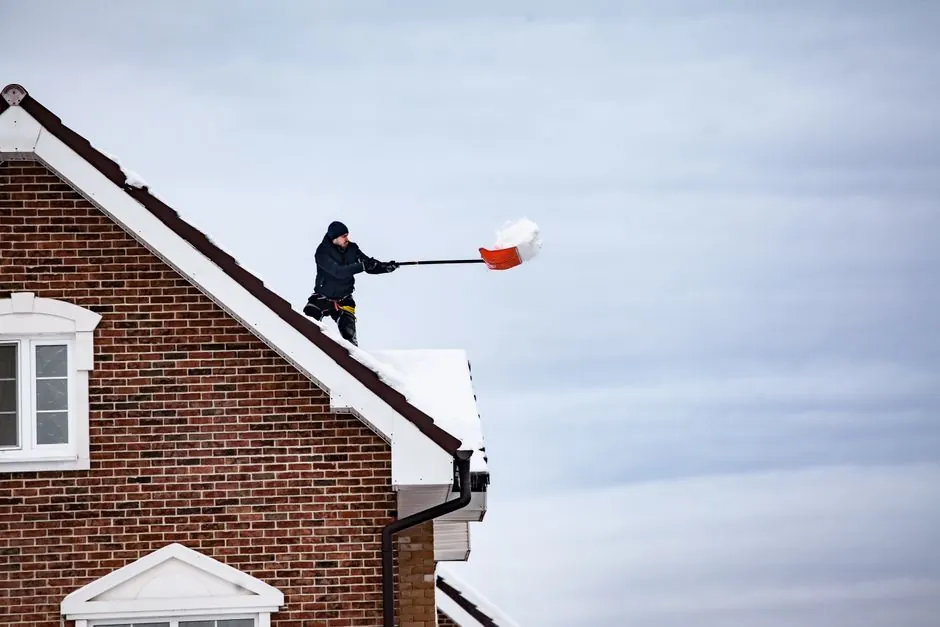
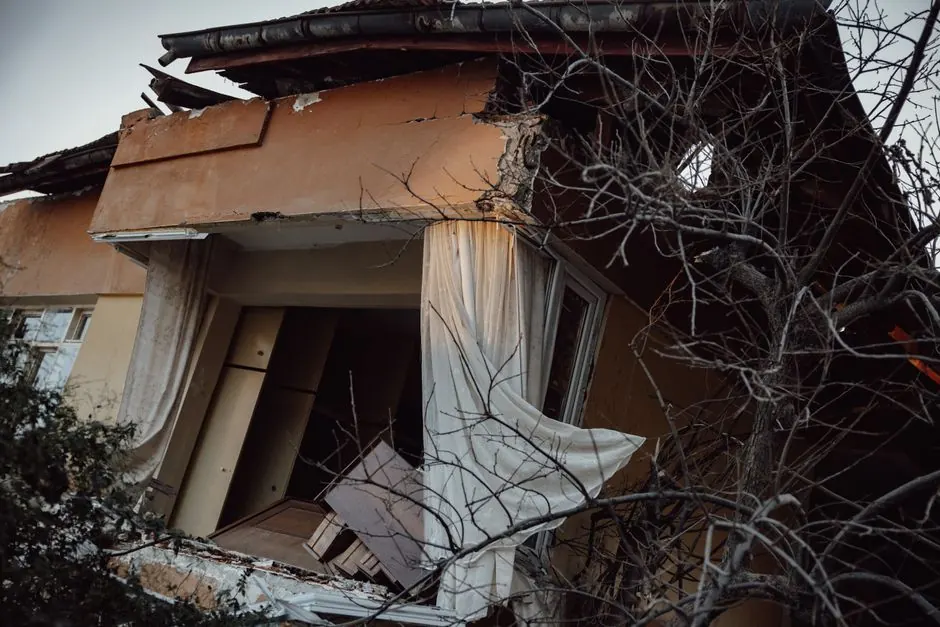
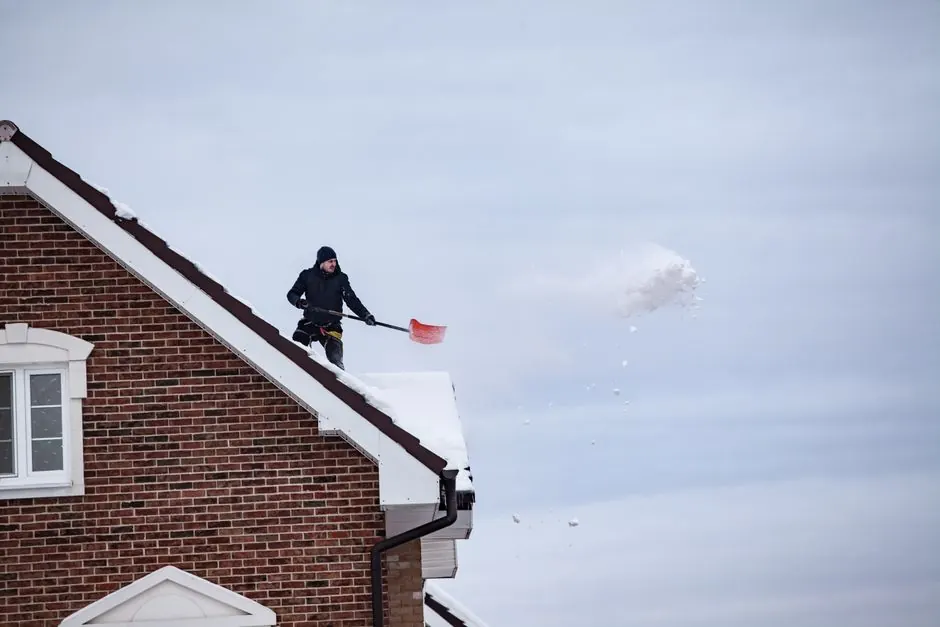
Windom homes range from single-story houses to two-story properties with garages, additions, and roof transitions. Each roof can collect snow and ice differently, so we start with the reported eave, valley, or gutter rather than assuming the whole roof has one problem. If a thaw brings a ceiling drip, we address the roof blockage and check accessible attic or interior areas for signs of water. Our residential service includes roof snow removal, steam ice removal, gutter clearing, leak response, and damage inspection. We keep you informed about the sequence: stop the immediate water source, check affected materials, and arrange drying or repairs where needed. If you have children, pets, or a busy front walk, tell us before we set up so we can keep the work area away from daily traffic.
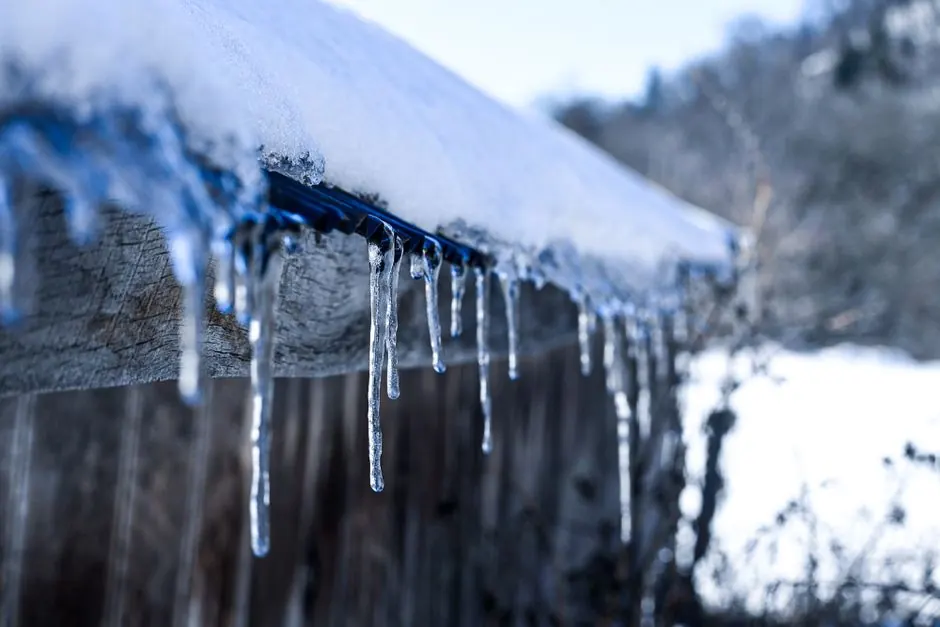
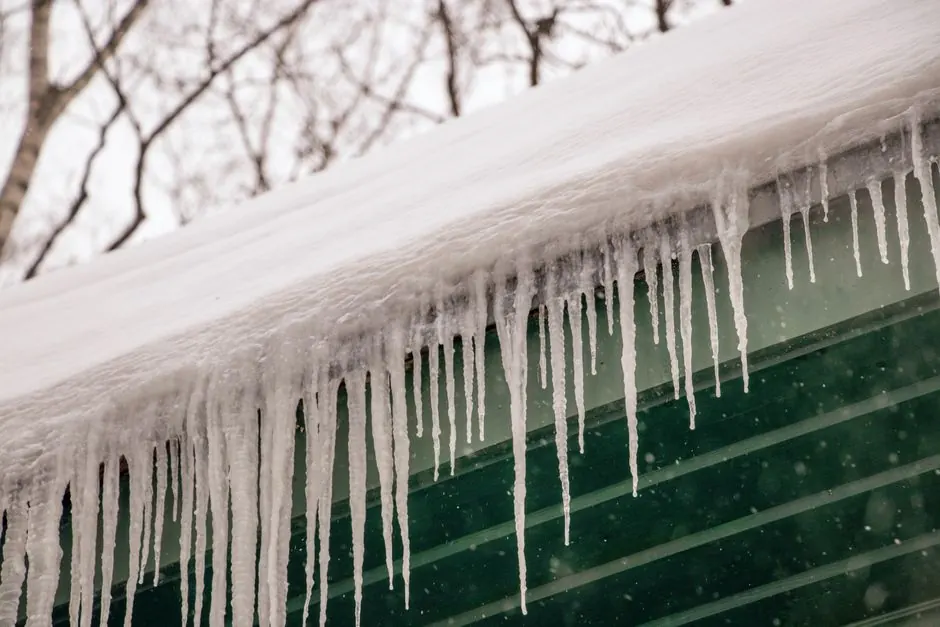
- Controlled roof-edge ice removal — We clear the obstructed eave with a method suited to your roof and the ice conditions. For Windom homes, we check roof pitch, gutter attachment, and nearby walkways before setting up. Controlled removal helps restore drainage without chopping at shingles or pulling hard on the gutter.
- Attic leak and moisture inspection — If a ceiling stain appears after snowmelt, we inspect accessible attic areas for water tracks and damp insulation. We connect those findings to the roof edge where possible and explain whether drying should follow. You get a practical account of what is wet and what needs further repair.
- Gutter and downspout clearing — We remove accessible ice and check the route from gutter to downspout when frozen drainage is part of the issue. Windom homeowners can call before a thaw or after water begins backing up at the eave. We work carefully around gutter hangers and roof materials.
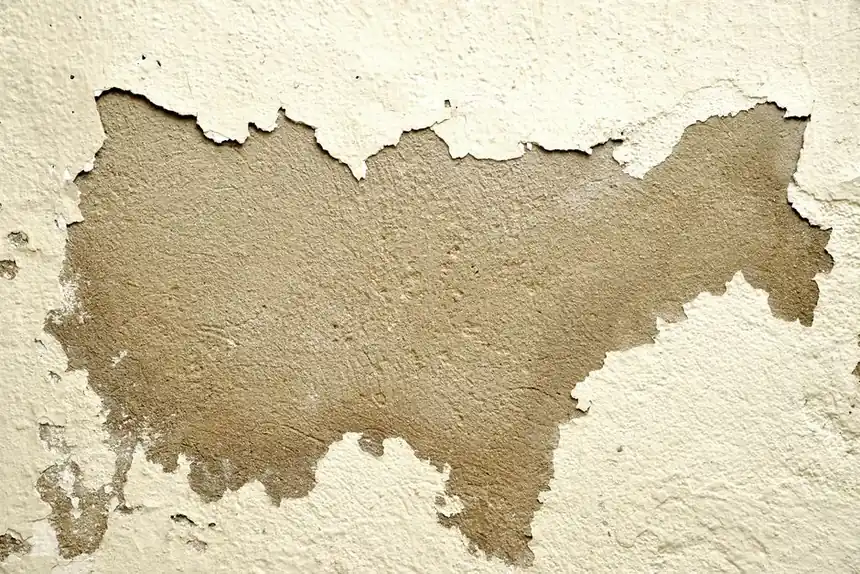
- Ceiling and wall water repair — After the roof source is controlled, we assess affected drywall and ceiling areas for moisture and visible damage. We help you understand whether drying, material removal, or surface repair is the next step. Addressing the source first prevents a fresh finish from concealing an active leak.